SAEDNEWS: Have you ever wondered how many grams of legumes are in one tablespoon while preparing a meal? In this article, we’ll answer this question and provide a conversion table for easy reference.
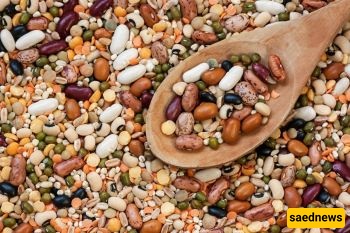
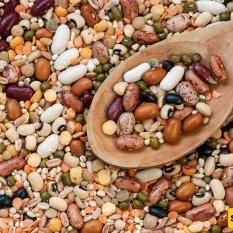
According to Saednews, Legumes are among the most widely used ingredients in Iranian cuisine and many diets around the world. Lentils, chickpeas, beans, mung beans, and roasted chickpeas are commonly used in dishes such as traditional soups, stews, salads, and even snacks.
One of the most frequently asked questions among home cooks, people following specific diets, and those who carefully follow recipes is: How many grams of legumes are in one tablespoon?
The answer is not always the same because the weight of a tablespoon of legumes depends on the type of legume, whether it is dried or cooked, whether the spoon is level or heaped, and the amount of moisture present.
However, approximate conversion tables can help estimate the weight of a tablespoon with reasonable accuracy. This article explains the factors affecting legume weight, provides a tablespoon-to-gram conversion table, and offers practical tips for accurate measurement.
A standard tablespoon holds approximately 15 milliliters. When filled level with dried legumes, it generally weighs between 10 and 14 grams. A heaped tablespoon may weigh approximately 18–23 grams.
Cooked legumes absorb water and increase in volume. Therefore, a level tablespoon of cooked legumes typically weighs between 15 and 18 grams, while a heaped tablespoon weighs around 22–28 grams.
The exact answer depends on the type and condition of the legumes. For example:
One level tablespoon of dried lentils weighs approximately 12–13 grams.
One level tablespoon of cooked lentils weighs approximately 15–17 grams.
Similar differences can be observed with chickpeas, beans, and mung beans.
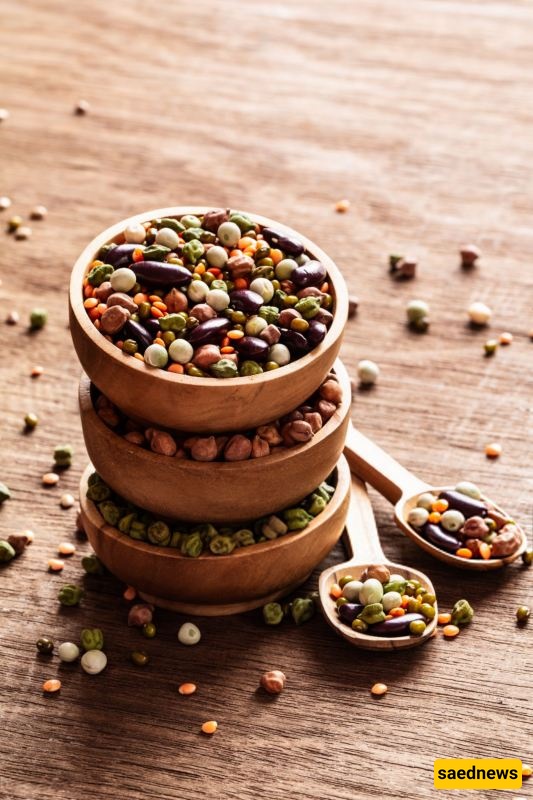
Accurately measuring legumes is important in both cooking and nutrition.
In cooking, the quantity of legumes affects the consistency, cooking time, and final flavor of a dish. For example, adding too many lentils or chickpeas to traditional soup can make it thicker, requiring additional water or other ingredients.
Accurate measurement is also important when following a diet because it helps control calorie intake and monitor protein, fiber, and carbohydrate consumption.
Legumes are excellent sources of plant-based protein, fiber, and minerals. However, consuming excessive amounts or incorrectly estimating portion sizes can interfere with a carefully planned diet.
One important point when converting tablespoons into grams is understanding the difference between volume and weight.
A tablespoon is a unit of volume, not weight. A standard tablespoon holds approximately 15 milliliters.
However, the weight of its contents depends on their density.
Dried legumes contain more empty space between individual grains, resulting in a lower overall density. Consequently, a tablespoon of dried legumes may weigh less than a tablespoon of cooked legumes.
During cooking, legumes absorb water, becoming heavier and more compact. This increases the weight of each tablespoon.
The following figures are estimates. Actual weights may vary depending on grain size, moisture content, brand, and how the tablespoon is filled.
A level tablespoon means the legumes are filled to the rim without any excess. A heaped tablespoon means the legumes naturally extend above the rim without being pressed down.
Type of legume | Condition | Level tablespoon | Heaped tablespoon |
|---|---|---|---|
Lentils | Dried | 12–13 g | 18–20 g |
Chickpeas | Dried | 11–13 g | 18–22 g |
Red kidney beans | Dried | 12–14 g | 20–23 g |
Pinto beans | Dried | 12–14 g | 20–23 g |
Mung beans | Dried | 11–13 g | 18–20 g |
Roasted chickpeas | Dried | 10–12 g | 17–19 g |
Lentils | Cooked | 15–17 g | 22–25 g |
Chickpeas | Cooked | 15–18 g | 22–27 g |
Beans | Cooked | 16–18 g | 23–28 g |
As the table shows, a tablespoon of dried legumes generally weighs less than the same volume of cooked legumes. Additionally, using a heaped tablespoon can increase the weight by approximately 50% or more.
Therefore, it is important to distinguish between level and heaped tablespoons when following recipes.
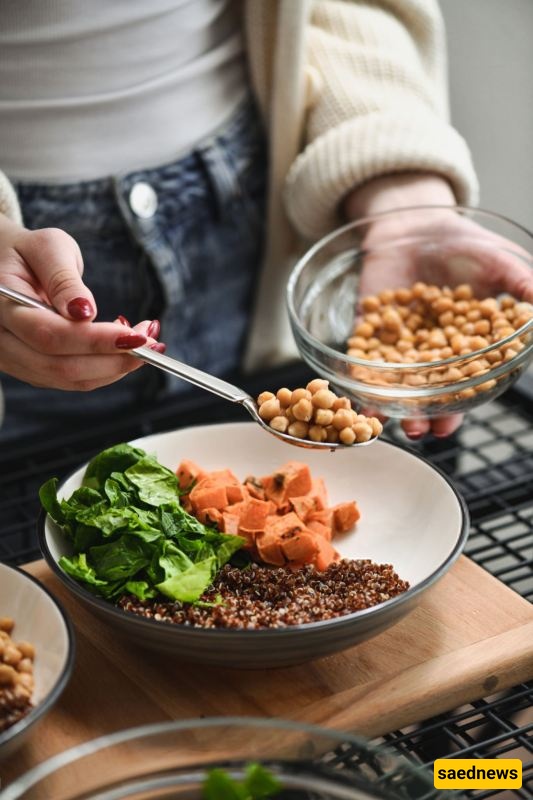
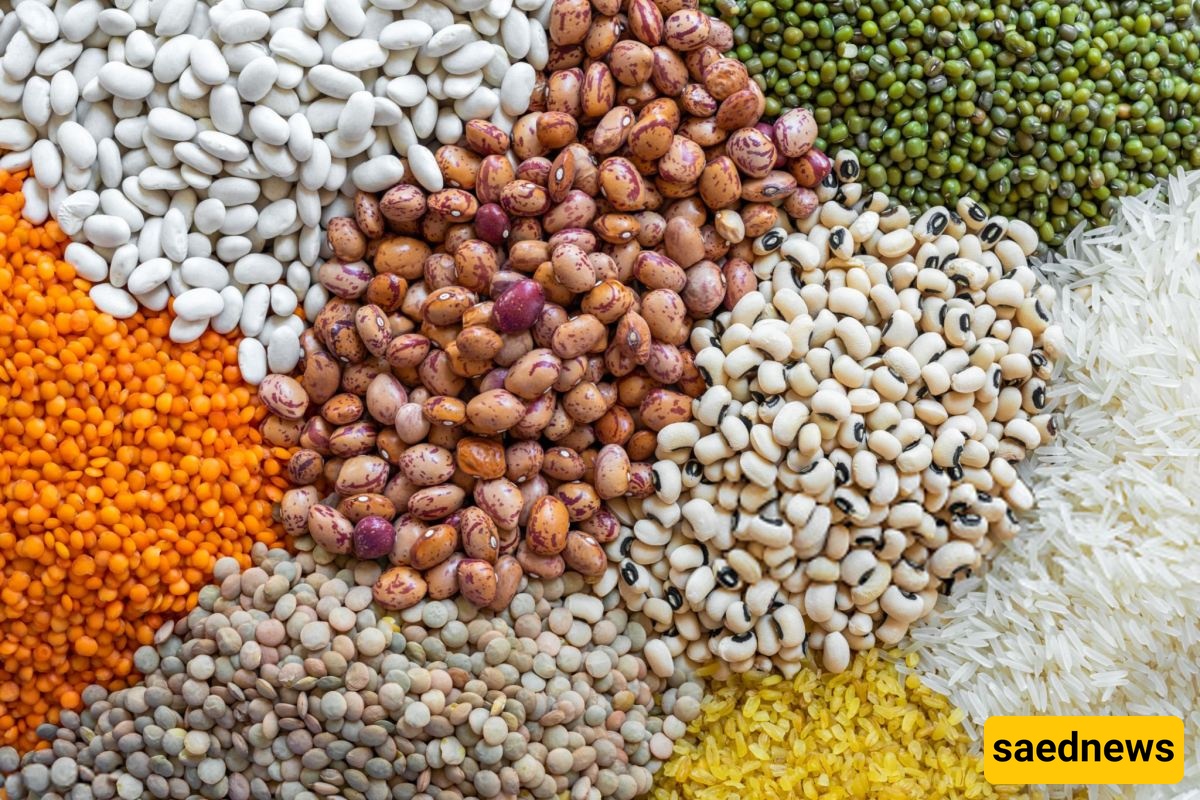
Each type of legume has a different size, shape, and density.
Smaller legumes, such as roasted chickpeas or mung beans, may occupy less empty space between individual grains. Larger beans may leave more gaps.
For this reason, the weight of a tablespoon varies depending on the type of legume.
Dried legumes are generally lighter and contain more empty space between grains.
After soaking and cooking, they absorb water and increase in weight. Therefore, tablespoon-to-gram conversions must be calculated separately for dried and cooked legumes.
One of the most common measurement mistakes is using a heaped tablespoon instead of a level one, or vice versa.
A heaped tablespoon can contain several additional grams of legumes compared with a level tablespoon.
For accurate recipes, it is important to pay attention to the specified measurement.
Dried legumes may absorb small amounts of moisture from their surroundings, slightly increasing their weight.
Cooked legumes may also retain excess water, making them heavier.
For more accurate measurements, drain cooked legumes thoroughly and allow excess water to run off before weighing them.
Pressing legumes into a tablespoon removes some of the air between individual grains and increases the amount that fits inside.
By contrast, loosely filling the spoon without applying pressure generally results in a lower weight.
In recipes, a level tablespoon usually means filling the spoon naturally without pressing the contents down and leveling the surface with the rim.
A heaped tablespoon means allowing the legumes to extend naturally above the rim without compressing them.
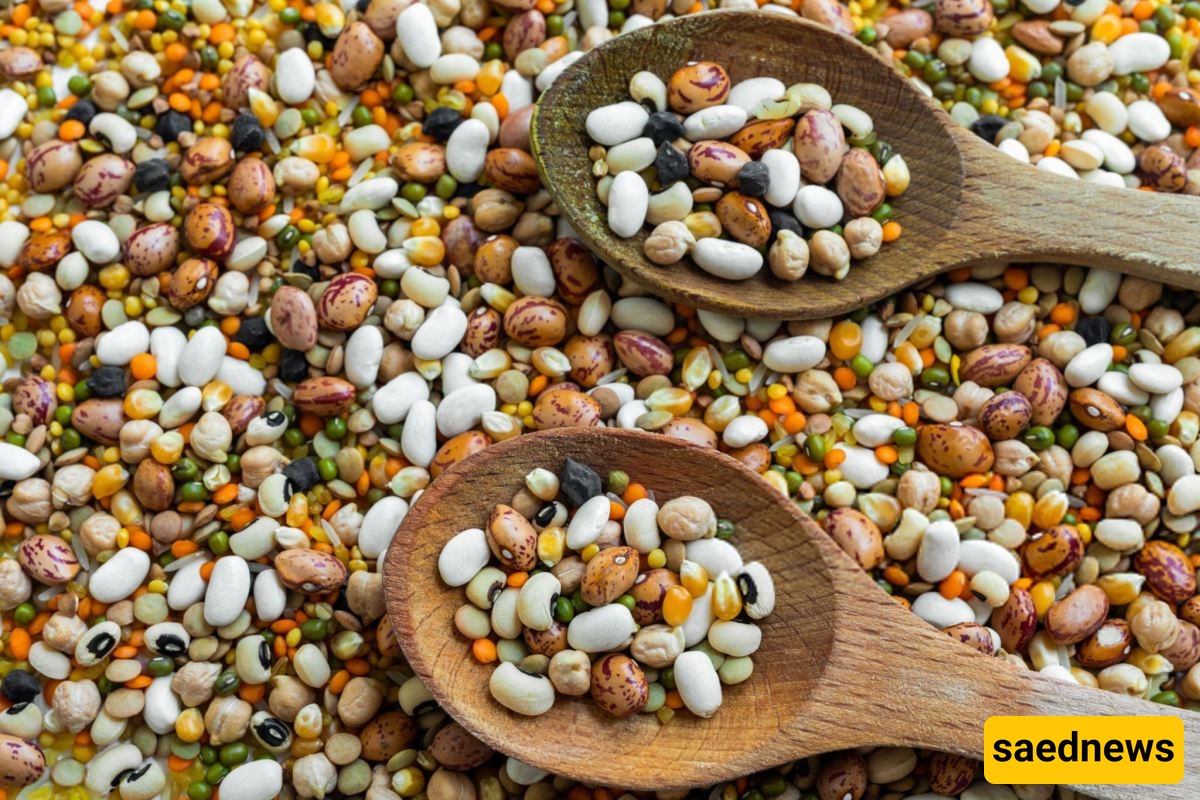
The size of individual legumes also affects tablespoon weight.
Smaller grains, such as mung beans, may create fewer gaps and produce a different weight compared with larger varieties.
Products from different brands may also vary slightly in grain size and moisture content.
A standard tablespoon typically holds approximately 15 milliliters. However, ordinary household spoons may be slightly larger or smaller.
If measurement accuracy is important, use standardized measuring spoons or a kitchen scale.
For most home recipes, a difference of a few grams is unlikely to cause a problem. However, weighing ingredients is the most reliable method for professional cooking and precise dietary planning.
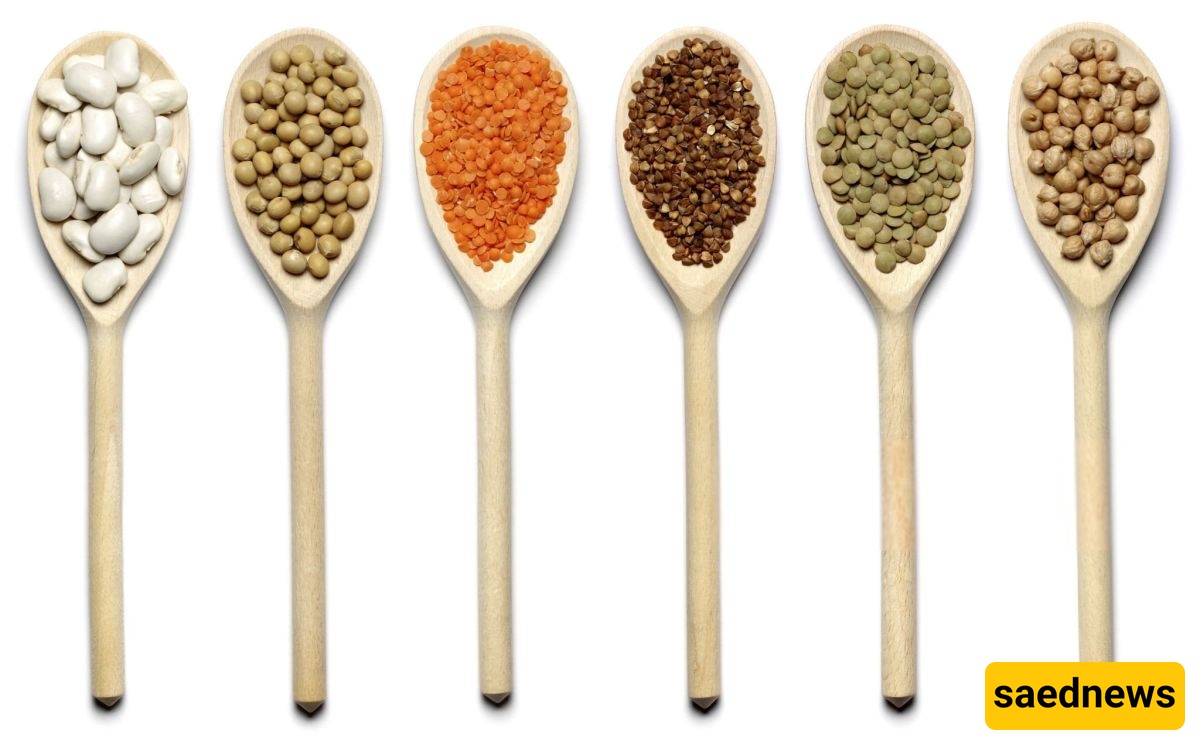
To improve measurement accuracy, keep the following tips in mind:
Use a kitchen scale to weigh legumes when preparing recipes that require precise measurements.
If you do not have a scale, use a standard tablespoon and fill it without pressing the contents.
Drain cooked legumes before measuring them to prevent excess water from increasing their weight.
When a recipe specifies a heaped tablespoon, allow the legumes to extend naturally above the rim without compressing them.
Remember that dried and cooked legumes do not have the same weight because cooked legumes absorb water.
If you are following a dietary plan, calculate the quantities of dried and cooked legumes separately.
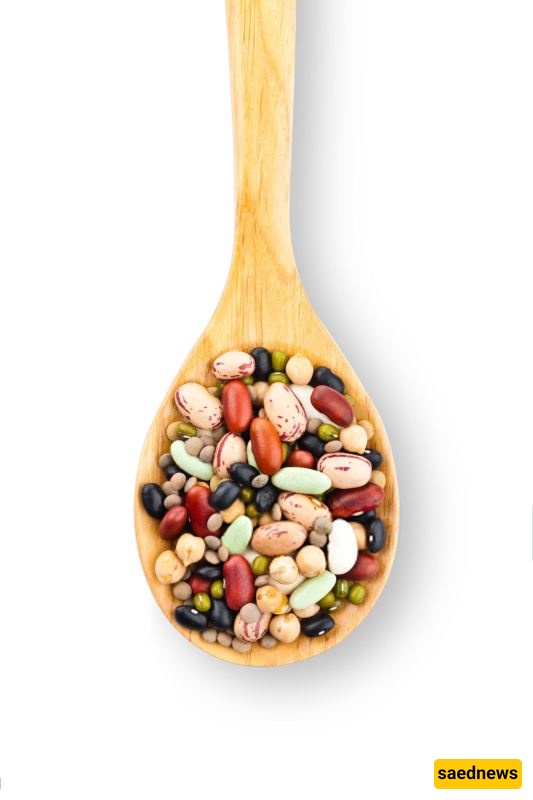
In general, one level tablespoon of dried legumes weighs approximately 10–14 grams, while one level tablespoon of cooked legumes weighs around 15–18 grams.
The exact weight depends on the type of legume, moisture content, grain size, and filling method.
For everyday cooking, these approximate measurements are usually sufficient. However, if you are following a precise nutritional plan or preparing a recipe that requires accurate quantities, using a kitchen scale is always the best option.