SAEDNEWS: A wound is considered chronic if it has not significantly improved within four weeks or has not completely healed within eight weeks.
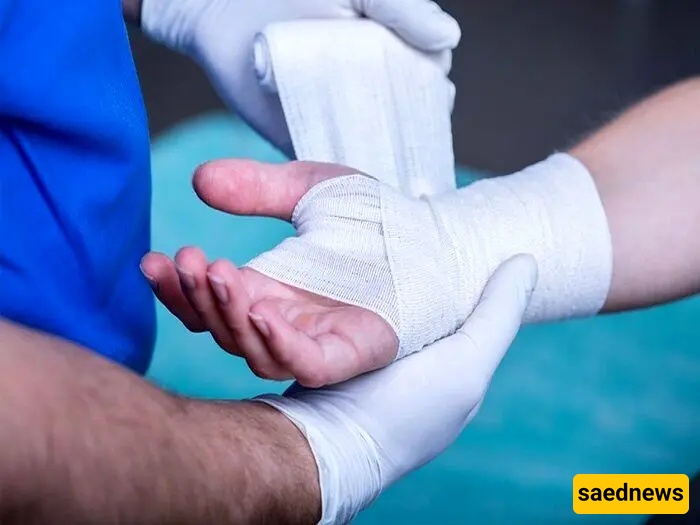
According to Saednews, Chronic wounds can persist for weeks or even months and, in many cases, they do not heal without medical intervention. A wound is considered chronic when it has not shown significant improvement within four weeks or has not completely healed within eight weeks. If you have a wound that shows no signs of healing, it is important to consult a doctor. Without proper treatment, chronic wounds can lead to serious complications.
A fresh wound is usually red, irritated, and possibly swollen. However, a chronic wound has specific warning signs, including:
No signs of healing within a 30-day period, such as the formation of a scab or new tissue.
Numbness around the wound area.
Changes in skin color.
A foul odor coming from the wound.
Discharge or fluid leaking from the wound.
Significant swelling around the affected area.
Your skin is the body’s first line of defense against infection. When the skin is damaged, bacteria can enter the body through an open wound. An infected wound can slow or completely stop the healing process because the body focuses on fighting the infection instead of repairing the damaged tissue.
Signs of an infected wound may include redness, swelling, pain around the wound, pus, or a foul-smelling discharge. Antibiotic treatment may be required to control the infection.
During the healing process, red blood cells carry oxygen and essential nutrients to the wound site to help rebuild damaged tissue. Poor circulation can slow this process and significantly delay wound healing.
Chronic conditions such as diabetes and obesity can contribute to poor circulation. Regular exercise and elevating the injured area may help improve blood flow and support recovery.
The body requires sufficient nutrients, especially protein, to create new tissue. During wound healing, protein requirements can increase significantly. Proper hydration is also essential for effective recovery.
Unfortunately, poor nutrition is often overlooked as a possible reason why wounds fail to heal. A lack of vitamins, minerals, protein, or fluids can interfere with the body’s ability to repair damaged tissue.
High blood sugar levels can slow circulation and negatively affect the immune system, increasing the risk of infection. People with diabetes may also experience nerve damage, which can reduce sensation and make it difficult to notice injuries. As a result, wounds may remain untreated for longer periods and become more difficult to heal.
Excessive swelling occurs when fluid builds up in the tissues. This can interfere with wound healing by reducing the amount of oxygen reaching the skin.
Different compression methods may be used to remove excess fluid and reduce swelling. Once swelling decreases, proper wound healing can begin with guidance from a healthcare professional.
When a wound is repeatedly exposed to pressure, friction, or injury, the healing process can become delayed or even stop due to reduced blood circulation in the affected area.
People with paralysis, spinal cord injuries, or those who are bedridden are at greater risk of repeated trauma to wounds.
Changing positions regularly and reducing pressure on the wound can improve circulation and create better conditions for healing.
How Does the Wound Healing Process Work?
After an injury occurs, the body immediately begins the healing process. Although the changes may not be visible at first, the body recognizes the damage and activates several repair mechanisms.
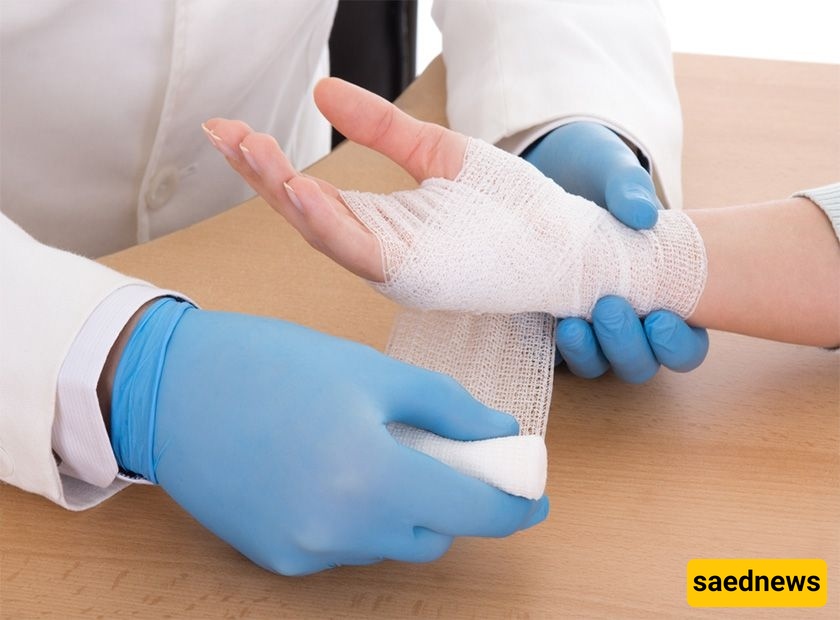
When you experience a wound, your body goes through four main stages of healing:
The first stage of wound healing involves stopping the bleeding. Shortly after an injury occurs, blood begins to clot, and a scab starts forming to protect the wound and begin the repair process.
During this stage, blood vessels narrow to help control bleeding. Platelets, which are blood cells responsible for clotting, gather at the wound site and help close the injury.
Fibrin, a protein that helps hold platelets together, forms around the wound and creates a protective structure.
After bleeding has stopped and a scab has formed, the body begins rebuilding the damaged area. This stage involves the production of new cells, red blood cells, and collagen, which help create new tissue and restore the injured skin.
This final stage occurs after the wound has closed, but the body continues repairing and strengthening the tissue. During this phase, the wound may remain red or itchy, which can be a sign that the body is still completing the healing process.
Tips for Faster Wound Healing
Treatment for slow-healing wounds may involve medications, specialized dressings, or medical procedures. However, several steps can help support faster recovery:
Avoid drinking alcohol.
Follow a balanced and nutritious diet.
Change wound dressings regularly.
Get enough sleep.
Watch for signs of infection.
Follow your doctor’s advice and treatment instructions carefully.
When Should a Non-Healing Wound Be a Concern?
A wound that does not improve over time should not be ignored. Seek medical advice if:
The wound has not improved after several weeks.
The pain, swelling, redness, or discharge is increasing.
The wound develops a bad smell.
You notice signs of infection.
You have diabetes or another condition that affects healing.
The wound becomes larger or deeper.
Early medical evaluation can help identify the underlying cause and prevent serious complications. Proper wound care and timely treatment play an important role in restoring healthy skin and preventing long-term problems.