SAEDNEWS: Wall-mounting a TV is a popular way to save space, improve viewing angles, and enhance interior design. However, incorrect installation can cause the TV to fall, damage the wall, or harm the screen. That’s why proper setup, choosing the right location, and using standard tools are essential.
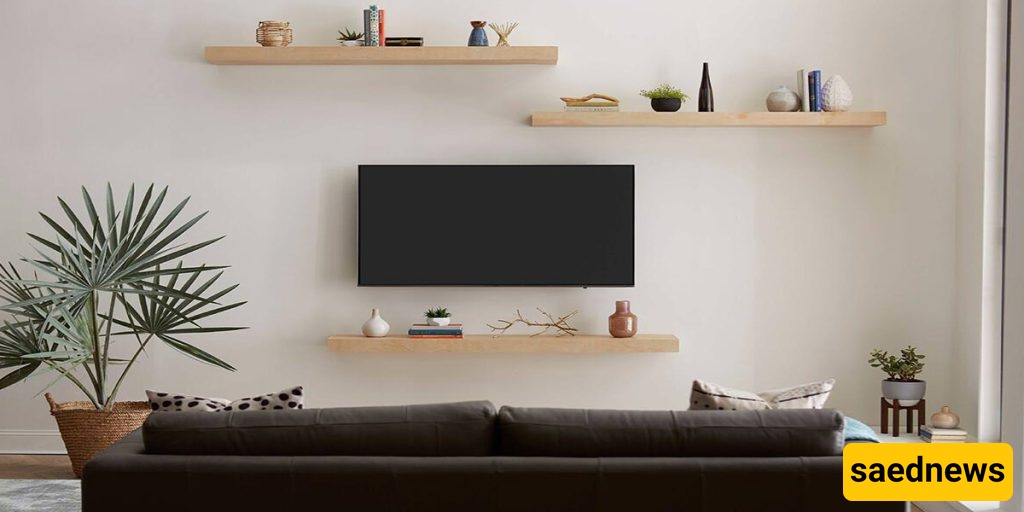
According to Saednews, Today, mounting a television on the wall has become one of the most popular interior design methods. In addition to improving the appearance of a space, it helps save room and provides a better viewing angle. However, if a TV is not installed correctly, it may lead to risks such as the device falling, damage to the wall, or even harm to the TV panel. Therefore, understanding proper installation steps, choosing the right location, and using standard tools are very important.
The first and most important step in wall-mounting a TV is selecting the right location on the wall. Many people decide based only on aesthetics, while viewing angle and comfort are more important.
The center of the TV screen should be approximately at eye level when the viewer is seated. If the TV is installed too high, it can cause neck and eye strain over time. It is also better not to place the TV directly opposite a window or strong light source, as glare reduces image quality and makes watching difficult.
In small spaces, mounting the TV on the wall opposite the sofa is usually the best choice.
Not all walls can support the weight of a TV. Before installation, you must check the wall material.
Concrete and brick walls are usually the best options because they are strong and durable. In contrast, drywall or plasterboard walls require special anchors and mounting systems.
If the TV is large and heavy, installing it on a weak wall can be dangerous. In such cases, it is better to hire a professional installer or choose another location. Using proper screws and wall plugs is also essential, as incorrect fittings may loosen over time.
TV wall mounts come in different types, and choosing the right one directly affects safety and usability. Generally, there are three main types:
Fixed mount:
This is the simplest type and keeps the TV completely flat against the wall. It is suitable for spaces where the viewing angle does not need to change.
Tilting mount:
This type allows vertical angle adjustment and is useful when the TV is installed higher than eye level.
Full-motion (articulating) mount:
This type offers the highest flexibility, allowing the TV to be moved and rotated in different directions. It is ideal for users who frequently adjust the viewing angle.
When buying a mount, you should also consider:
Compatibility with TV size
Build quality and weight capacity
Support for VESA standard
Using a low-quality mount can be risky even for lightweight TVs and may increase the chance of falling and damage.
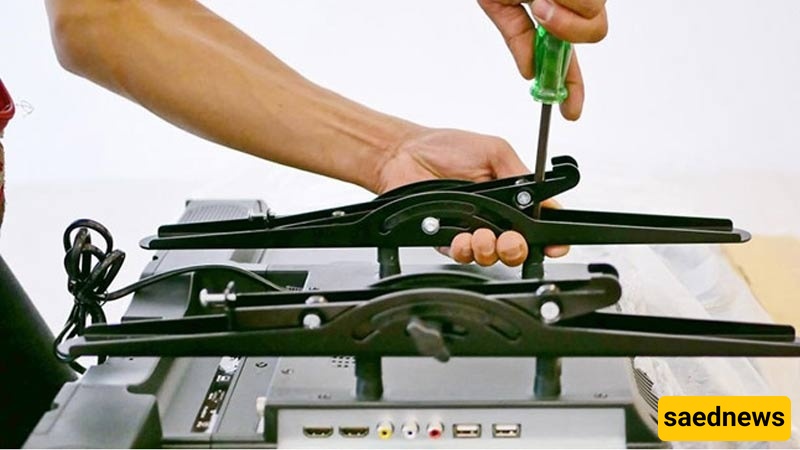
To properly install a TV on the wall, you will need several essential tools. Preparing them in advance makes the process faster and more accurate:
Drill
Screwdriver
Measuring tape
Level tool
Wall plugs and suitable screws
Pencil for marking
Not all TVs are designed for wall mounting, so this should be checked when purchasing a TV. The installation process can be divided into several steps:
The correct mounting height is one of the most important factors. It depends on screen size and viewing distance.
For most home setups, the center of the screen should be about 100 to 110 cm above the floor. However, this may vary depending on the room layout or if the TV is installed in a bedroom.
After choosing the location, carefully mark the drilling points. Place the wall bracket on the wall and use a level to ensure it is straight. Then mark the screw positions with a pencil.
Before drilling, make sure there are no electrical wires or water pipes behind the wall. Using a stud or wire detector can help prevent serious damage.
Drill the holes using a suitable drill bit size for the wall plugs. Insert the wall anchors, then securely fasten the bracket with screws.
At this stage, there should be no looseness. The bracket must be firmly fixed because it will support the entire weight of the TV. After tightening, recheck alignment with a level.
Most modern TVs have standard mounting holes on the back. Attach the mounting arms using appropriate screws.
Do not overtighten the screws, as this may damage the TV body or panel. Using incorrect screws can also lead to instability. Always refer to the TV manual for correct screw size.
This is the most sensitive step. For large TVs, it is recommended to do this with another person.
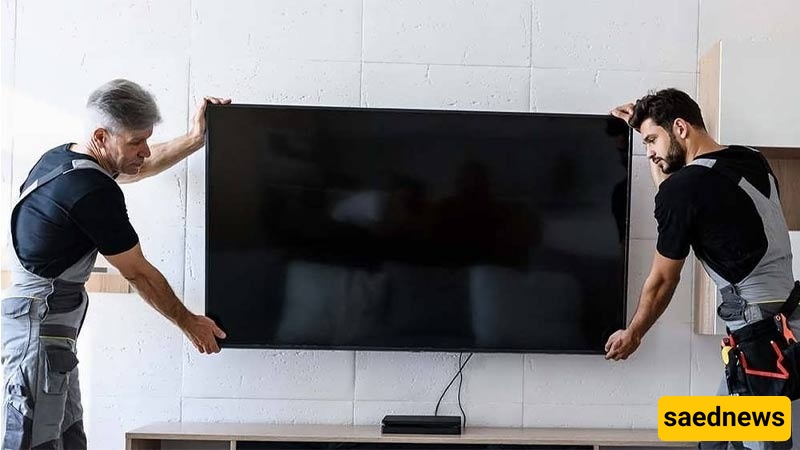
Carefully place the TV onto the mounted bracket and secure all locking mechanisms. After installation, check stability several times to ensure the TV is safely fixed. Then adjust the viewing angle and connect the cables.
A common issue after wall mounting a TV is visible cables. To achieve a clean look, cable ducts can be used. Some people prefer to hide cables inside the wall for a more minimal appearance.
Avoid excessive bending or stretching of power and HDMI cables, as this may damage them over time. Using a surge protector is also recommended to protect the TV from electrical fluctuations.