SAEDNEWS: Ancient warriors did not wear animal skins only for protection. The practice carried practical, psychological, and symbolic meanings that revealed how early societies viewed strength, nature, and warfare.
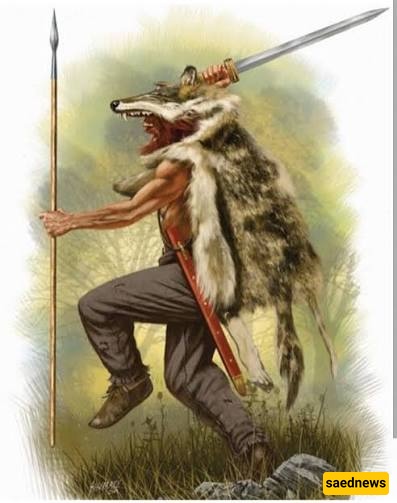
According to SaedNews, When modern people imagine ancient soldiers, they often picture bronze helmets, metal shields, and rows of armored fighters. Yet many warriors also appeared on the battlefield wearing animal skins, furs, or animal parts. To ancient eyes, these were not simple decorations. They could represent protection, identity, status, intimidation, and a connection with the power of the natural world.
The tradition existed in different forms across many cultures, from Mediterranean armies to nomadic societies and early civilizations that used animal materials for clothing and warfare. Archaeological and historical evidence shows that animal skins had both practical and symbolic roles in ancient military life.
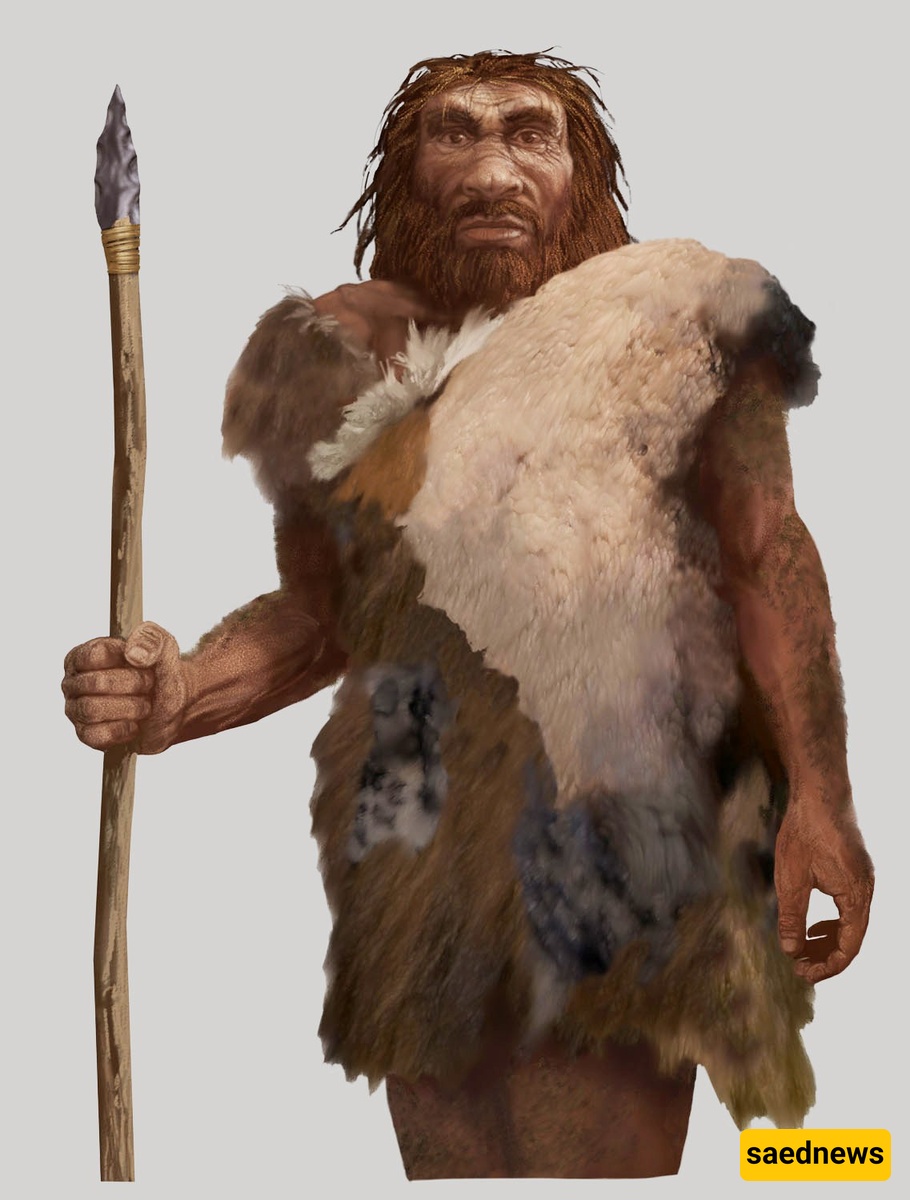
Before advanced metal armor became common, animal hides were among the strongest materials available. Thick leather could be hardened and shaped into protective equipment, while fur provided warmth in cold climates.
Ancient Chinese warriors, for example, used leather made from animal hides as part of early armor systems. Cowhide and other animal materials were shaped into protective pieces, sometimes reinforced for battlefield use.
For soldiers living and fighting in harsh environments, animal skins were valuable because they were durable, flexible, and easier to obtain than metal. A hide could serve as clothing, a protective layer, or a covering for equipment.
The most fascinating reason soldiers wore animal skins was psychological.
Many ancient cultures believed that animals represented specific qualities. A lion could symbolize courage and dominance. A wolf could suggest aggression and endurance. A bear could represent physical strength and fearlessness.
By wearing part of an animal, a warrior could visually claim those qualities. The skin became a statement: the fighter was not just an ordinary person entering battle but someone connected with the power of a dangerous creature.
Researchers studying ancient Mediterranean traditions have noted that animal skins often carried meanings connected with wildness, strength, and the boundary between humans and nature.
War was not only about weapons. It was also about psychology.
A soldier wearing the skin of a powerful animal could appear larger, stranger, and more frightening to opponents. Some military traditions used animal coverings and dramatic helmets to create a terrifying appearance.
In the Roman army, certain military roles were associated with animal skins. Standard-bearers and other important figures could wear skins such as bears or lions, helping them stand out visually during chaotic battles. Historical sources also describe animal skins as having a role in frightening enemies and emphasizing military identity.
Animal skins were not always worn by ordinary soldiers. In many societies, rare animal materials could show rank, achievement, or special status.
Hunters, warriors, and leaders sometimes used animal products to demonstrate their connection with bravery and survival. The animal itself mattered: wearing the skin of a powerful predator carried a different message from wearing the hide of a common domestic animal.
Archaeological research into fur and animal remains also shows that animal materials could hold cultural and spiritual meanings beyond their practical use.
Popular images sometimes make it seem as if all ancient soldiers dressed like mythical hunters covered in fur. Reality was more complicated.
Most armies relied on ordinary clothing, leather equipment, helmets, shields, and metal protection when available. Animal skins were often connected to specific groups, ceremonies, commanders, elite warriors, or symbolic roles rather than being standard battlefield clothing for everyone.
The image of the warrior wearing an animal skin remained powerful long after ancient battles disappeared. It continued in mythology, art, and storytelling.
Figures such as heroes wearing lion skins became symbols of extraordinary strength. In ancient Greek traditions, animal-skin clothing could represent both the wild world and heroic identity.
The reason ancient soldiers wore animal skins, therefore, was not a single one. The practice combined survival, technology, psychology, religion, and social meaning. A piece of fur or hide could keep a warrior warm, identify him among thousands of fighters, and send a message to enemies: this was someone carrying the strength of the animal world into battle.