SAEDNEWS: High heels are now closely associated with fashion, elegance and European style, but their reported historical roots point to a very different beginning. The design is linked to Persian horsemen who used heeled boots to maintain stability in the stirrups and improve their accuracy while shooting during battle.
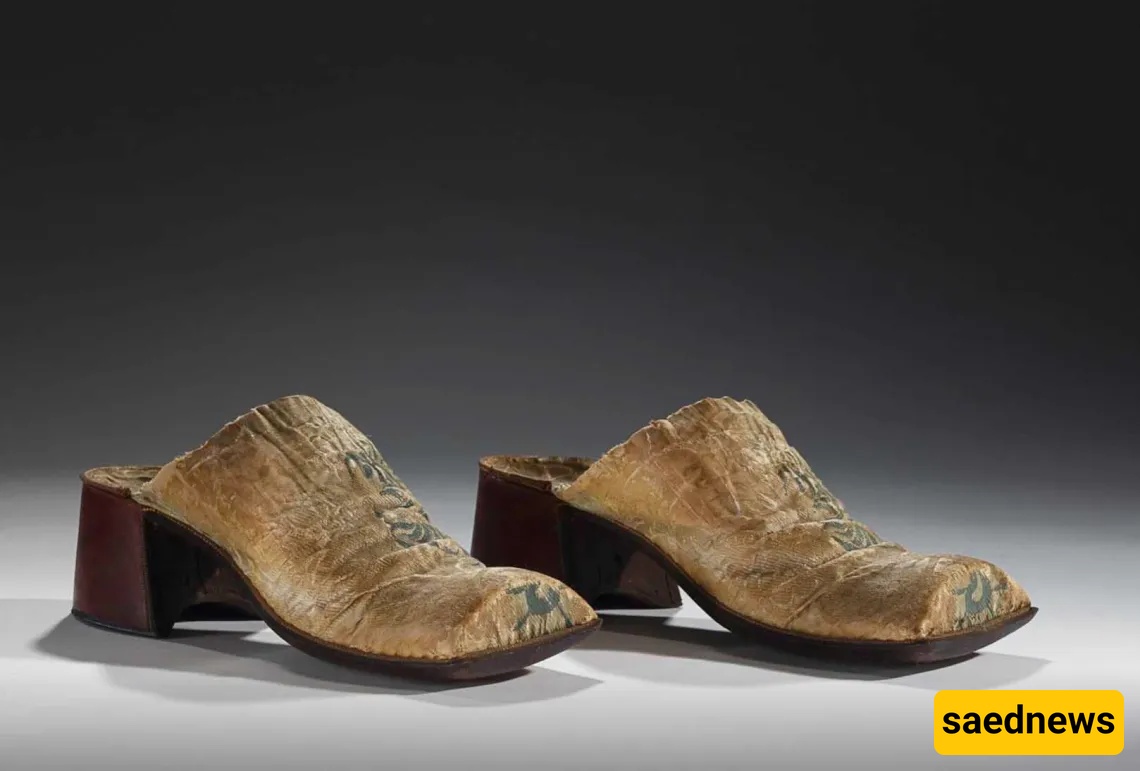
According to SaedNews: The next time a pair of high heels catches your eye on a fashion runway, its story may be much older—and far more practical—than its glamorous modern image suggests.
According to the historical account presented in the source, the high heel did not begin as a European fashion experiment or as a shoe designed primarily for beauty. Its roots can be traced to the riding boots used by Persian horsemen during the Safavid period, when a raised heel served a very practical purpose on the battlefield.
For mounted warriors, staying firmly positioned on a horse could make a crucial difference. The heeled boot helped keep the rider's foot secure in the stirrup, providing greater stability while riding. It also supported the demands of mounted archery, allowing horsemen to maintain their position as they prepared and fired their weapons.
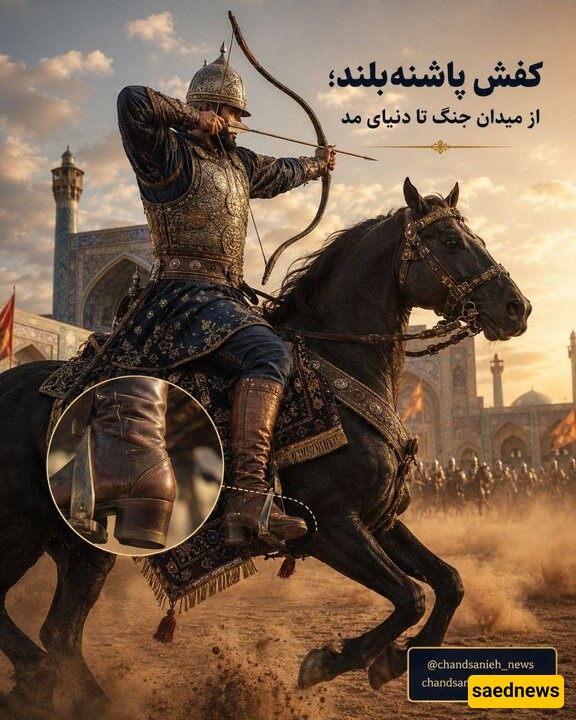
That practical design eventually traveled far beyond the battlefield.
As contacts between Iran and Europe expanded, the distinctive style of Persian riding footwear became known in European courts. What had originally been associated with riding and military skill gradually acquired a completely different meaning. Among European aristocrats, heeled footwear began to signal power, wealth and social rank.
This transformation is perhaps the most fascinating part of the high heel's history. A feature created for function was gradually turned into a symbol of status.
By the 17th century, high heels had become particularly fashionable among European men. One of the most famous figures associated with the style was Louis XIV, the king of France. During this period, elevated heels were not viewed primarily as feminine accessories. They were closely connected with aristocratic identity, authority and prestige.
The high heel therefore entered European fashion through a path very different from the one many people might imagine today.
It was not simply a matter of designers deciding that a raised shoe looked elegant. The design carried with it an association with the mounted warrior—a figure whose physical skill, military importance and social standing could all be communicated through clothing and equipment.
Once the style reached European royal and aristocratic circles, its meaning began to evolve. Fashion has always had the ability to take something practical and transform it into a visual statement, and the high heel became a striking example of that process.
Over time, however, the social meaning of the shoe changed again.
As European society went through major cultural and social transformations, men's use of high heels gradually declined. By the 19th century, the high heel had increasingly become associated with women's fashion. What had once been worn by male rulers and aristocrats became one of the most recognizable elements of women's footwear.
That shift completely changed the image of the high heel.
Today, high heels are commonly connected with elegance, formal occasions, fashion houses and the global style industry. Their appearance can communicate everything from sophistication to confidence, depending on the context. Yet behind that modern image lies a history that began with the very practical problem of keeping a rider's foot secure while sitting on horseback.
The journey from Persian cavalry boots to European royal courts and eventually to modern women's fashion shows how dramatically the meaning of clothing can change over centuries.
A design created for military function became a marker of aristocratic privilege. Later, it evolved into a major feature of women's fashion and ultimately became a global symbol of style.
The story also challenges a familiar assumption about where fashion innovations come from. European fashion history has played an enormous role in shaping modern clothing, but styles and techniques have frequently crossed borders, cultures and centuries before becoming part of the international fashion vocabulary.
In the case of the high heel, the source account places Persian riders at the beginning of that journey. Their need for stability and control on horseback helped inspire a form of footwear that would eventually take on a life far removed from the battlefield.
Perhaps that is what makes the history of the high heel so compelling. A shoe now associated with fashion and appearance began with a problem of balance, movement and precision. Its journey from Persian horseback warfare to European aristocracy—and finally to the modern fashion world—illustrates how an everyday object can carry layers of history that are almost invisible in its contemporary form.
So the next time high heels appear as a symbol of modern fashion, their story can also be viewed through a much older lens: not simply as a creation of designers, but as part of a historical journey that connects Persian horsemen, European courts and the changing language of status and style.