SAEDNEWS: Archaeologists have uncovered remarkable new findings at the Ramesseum Temple, the mortuary temple of Pharaoh Ramesses II, on Luxor’s west bank. The discovery offers fresh insights into one of ancient Egypt’s most significant historical sites.
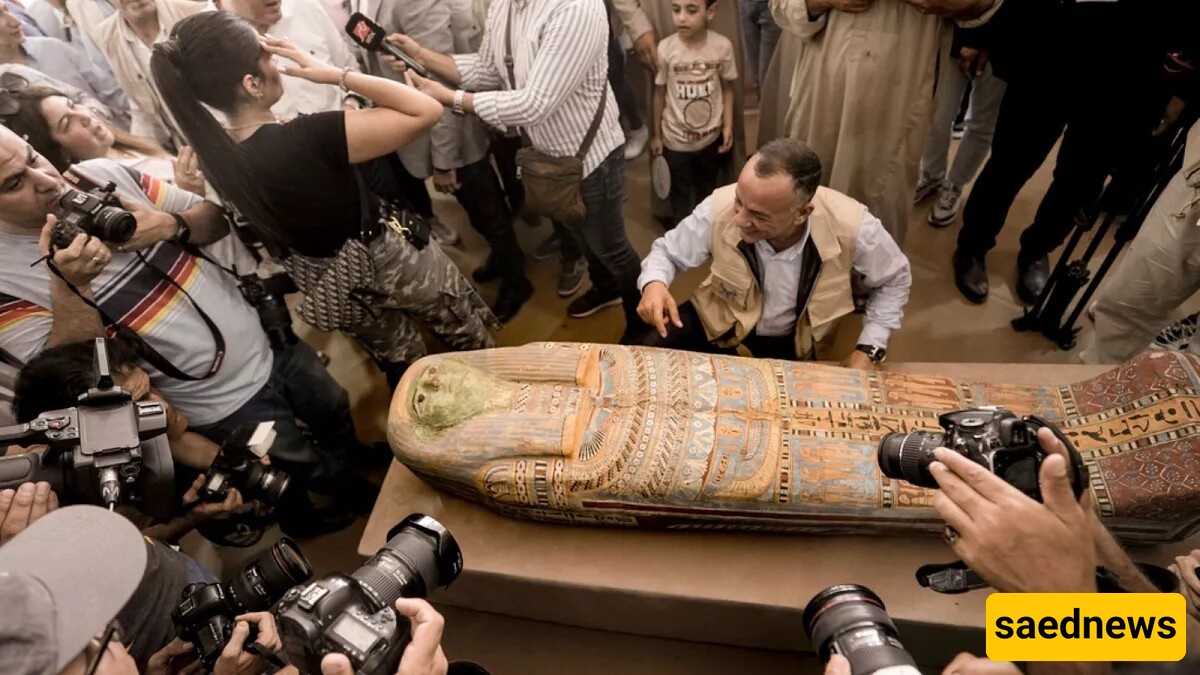
According to Saednews, Archaeologists have uncovered remarkable new discoveries at the Ramesseum, the mortuary temple of Ramesses II, revealing that it was far more than a religious monument. The excavations have identified an ancient educational institution, extensive economic facilities, administrative offices, and important burial sites, offering a richer picture of daily life in ancient Egypt.
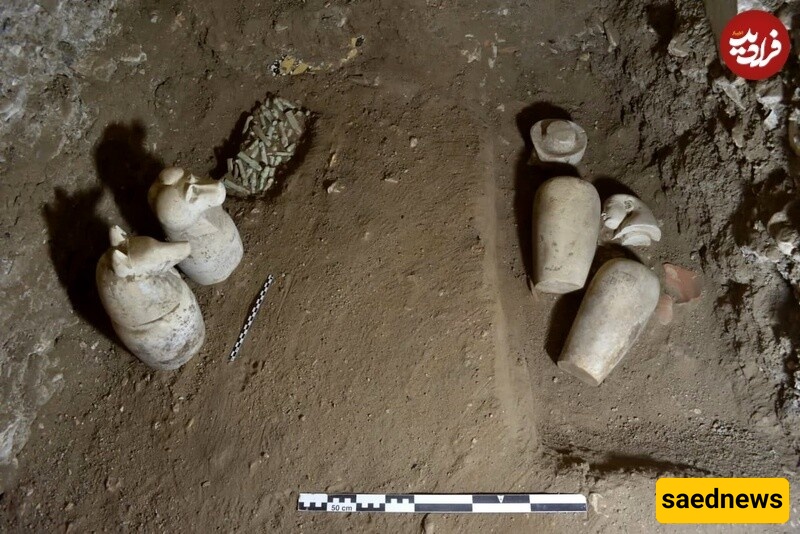
One of the most significant discoveries is a building known as the "House of Life," a temple-school that provides the first physical evidence of an educational institution within the Ramesseum. Although Egyptologists had long theorized that such schools existed, this is the first archaeological confirmation.
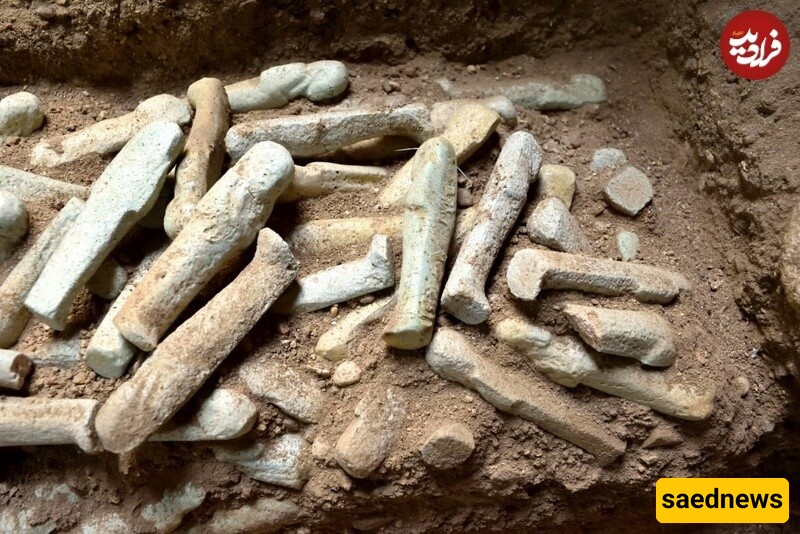
Inside the building, researchers found a collection of artifacts linked to education, including students' drawings, educational toys, and learning tools. These finds indicate that the Ramesseum, whose construction began more than 3,200 years ago during the reign of Ramesses II, served as a center for learning and the preservation of knowledge in addition to its religious role.
The excavation also revealed an advanced economic infrastructure. Archaeologists uncovered storerooms and underground cellars used to store olive oil, honey, and wine. Labels found on wine jars suggest the temple operated as an active wine storage and distribution center. Textile workshops, stone-cutting areas, kitchens, and bakeries were also discovered, showing that the temple functioned as a largely self-sufficient complex that supported both its staff and the surrounding community.
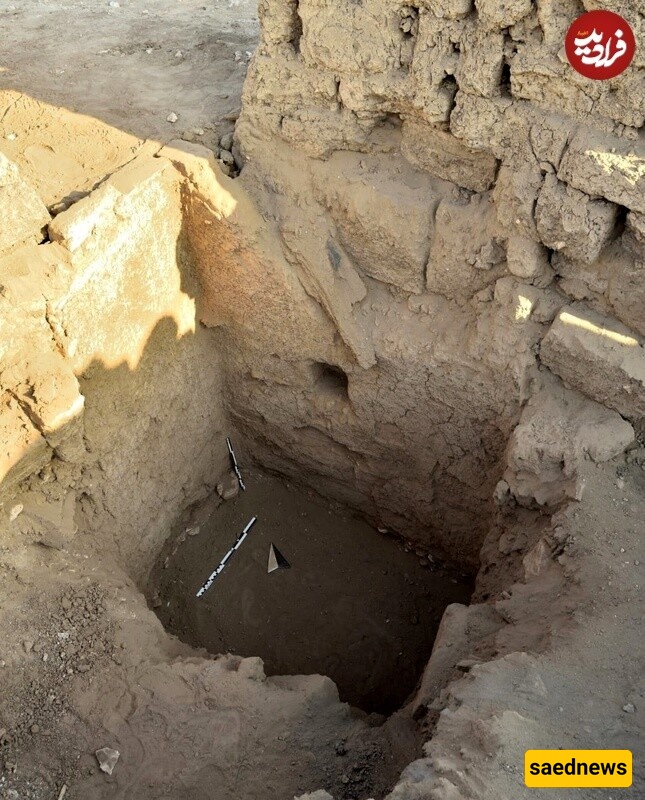
Administrative offices found in the eastern section of the temple point to a sophisticated management system. Officials working there likely oversaw the production, storage, and distribution of goods, reinforcing the temple's role as an administrative, economic, and social hub.
Another important discovery includes a group of tombs dating to Egypt's Third Intermediate Period, containing well-preserved human remains and burial equipment. Archaeologists also reexamined the tomb of Sehotepibre from the Middle Kingdom, adding new evidence that the site remained an important burial location across multiple historical periods.
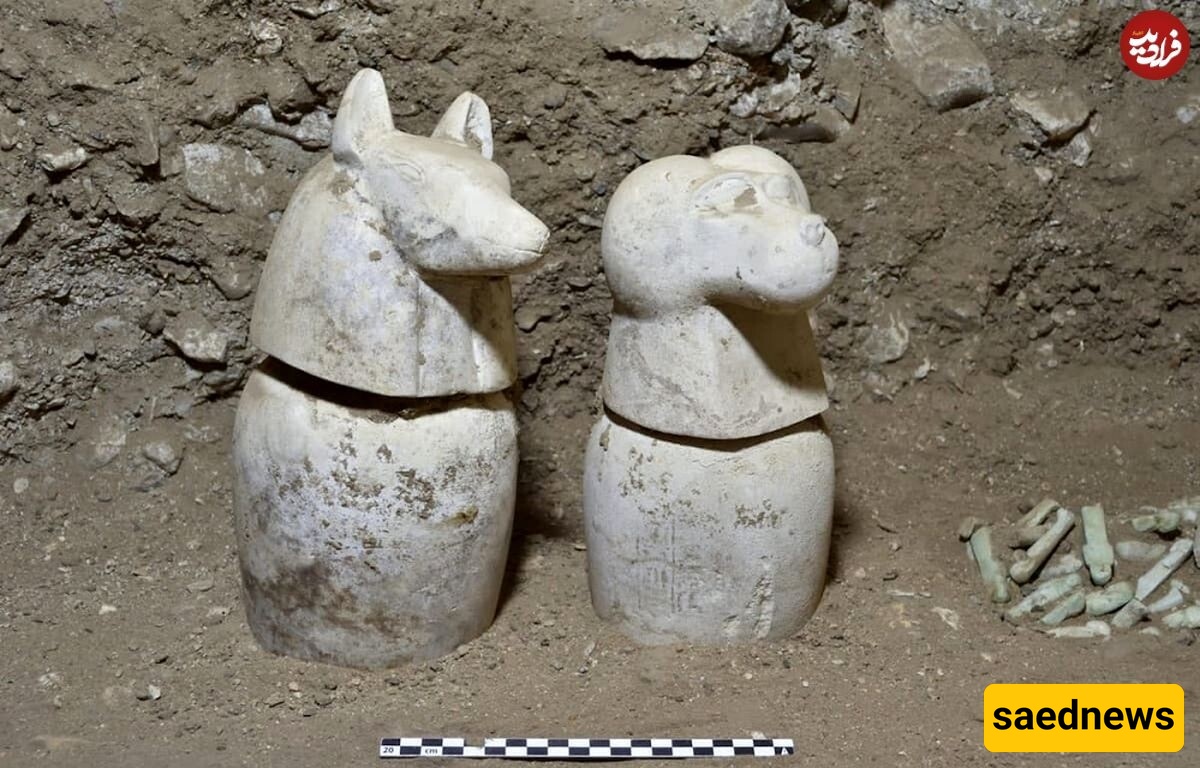
As research continues, the Ramesseum is emerging as a miniature representation of ancient Egyptian society, where education, administration, religion, and economic activity were closely connected.
Ramesses II, often called Ramesses the Great, ruled Egypt from 1279 to 1213 BC. Widely regarded as one of Egypt's greatest pharaohs, he commissioned an extraordinary number of temples, monuments, and architectural projects, many of which still survive today.
More than 3,000 years after his death, archaeologists identified the original granite sarcophagus of Ramesses II after reexamining a mysterious coffin discovered beneath a monastery. The coffin had initially been believed to belong to a high priest.
The identification was made by a team led by Egyptologist Frédéric Payraudeau of Sorbonne University, who deciphered inscriptions carved into the stone.
The mummy of Ramesses II was originally discovered in 1881 inside a simple wooden coffin, suggesting it had been temporarily reburied after tomb robbers disturbed its original burial.
Researchers previously believed the pharaoh had originally been buried in a golden coffin that was stolen in antiquity. A later stone coffin was damaged, and its remains were reportedly placed inside a large granite sarcophagus, which was later reused by the High Priest Menkheperre around 1000 BC.
Recent research also indicates that a granite coffin fragment discovered in 2009 at Abydos, one of Upper Egypt's oldest historic cities, originally formed part of the sarcophagus of Ramesses II.
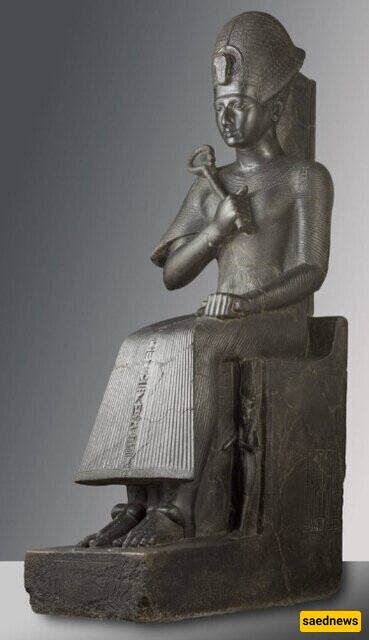
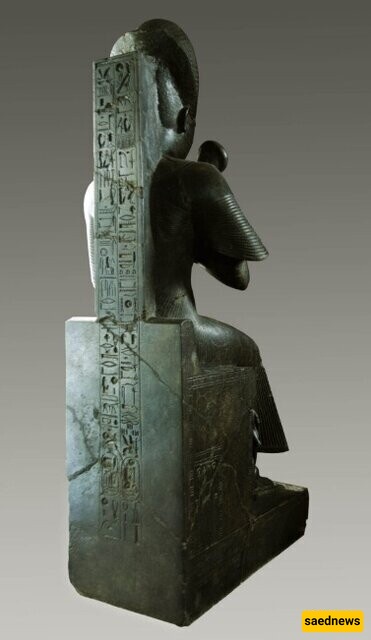
Among the notable monuments associated with the king is a life-sized statue carved from a single block of granodiorite, a coarse-grained igneous rock similar to granite. The same type of stone was later used to create the famous Rosetta Stone.
The statue stands 196 cm (6 ft 5 in) tall, measures 105 cm in depth, and 70 cm in width. It depicts the seated pharaoh wearing the royal headdress and a broad ceremonial collar, holding a staff in his right hand while dressed in formal royal garments and sandals.
These discoveries continue to reshape historians' understanding of the Ramesseum, revealing it not only as a grand temple dedicated to a powerful ruler but also as a thriving center of education, administration, industry, and community life in ancient Egypt.