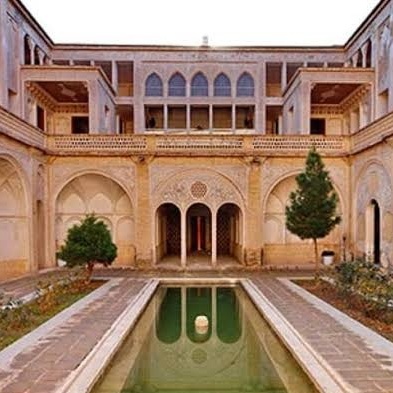
SAEDNEWS: Negarestan Garden is a historic and artistic landmark from Iran's Qajar era. It is closely associated with renowned figures such as Parvin E'tesami and Ali-Akbar Dehkhoda and has witnessed important events in Iran's contemporary history.
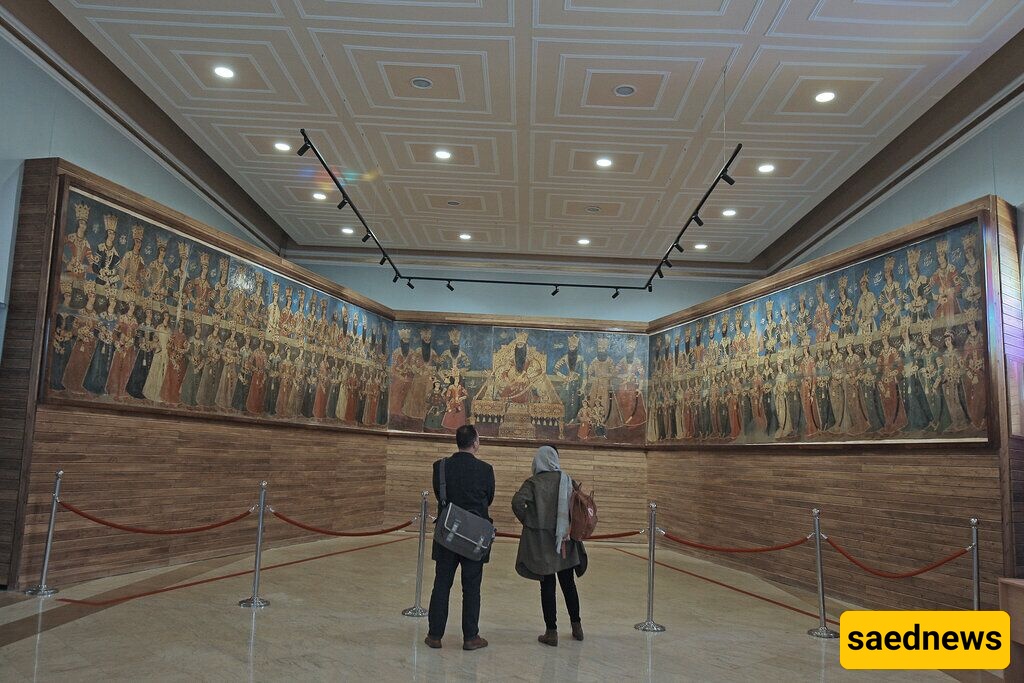
According to Saednews citing Hamshahri Online, Negarestan Garden is one of Tehran’s largest and most significant historic estates. Built as the summer residence of Fath-Ali Shah Qajar, the garden is an architectural landmark that reflects the grandeur of the Qajar era.
The estate features 64 rooms, four grand halls, and a library with four reading halls, covering approximately 600 square meters. Its reception halls are decorated with intricate mirror work, golden motifs, and valuable crystal chandeliers. The name "Negarestan", meaning "place of paintings," comes from the large collection of artworks—primarily portraits—that were once displayed in one of the mansion’s rooms.
One of the most notable sections of the complex is the Teachers' Training College and Library Building, where distinguished Iranian scholars and literary figures, including Malek o-Sho'ara Bahar, Ali Akbar Dehkhoda, and Parviz Natel Khanlari, studied. The celebrated poet Parvin E'tesami also worked in the library as a librarian for a period.
Today, visitors to Negarestan Garden can explore several cultural attractions, including the Malek o-Sho'ara Bahar Collection, the Kamal-ol-Molk School Museum, and a fascinating exhibition of miniature ethnographic sculptures, among other displays.
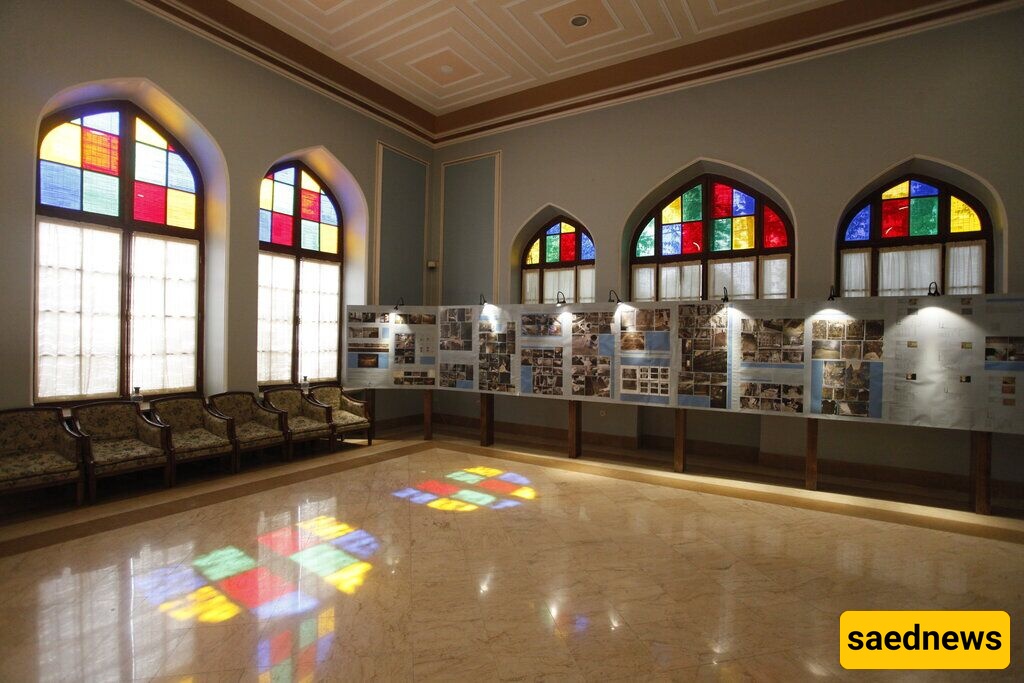
Throughout its more than 200-year history, Negarestan Garden has witnessed many important political and cultural events. Among the most significant were the coronation of Mohammad Shah Qajar and the assassination of his chief minister, Mirza Abolqasem Farahani (Qa'em-Maqam Farahani).
Over time, the estate evolved from a royal residence into a major educational and cultural center. It became home to Iran's first School of Agriculture and the School of Fine Arts, and later served as the Ministry of Justice, the Higher Teachers' College, and the Academy of Iran.
During the 1950s, the complex housed several influential academic institutions, including the Dehkhoda Dictionary Institute, the Institute of Geography, the Institute of Foreign Languages, and the Institute of Social Studies, all of which continued their scholarly activities on the site.
The garden also became the birthplace of the Institute for Culture and Arts Research, which was later renamed the Research Institute for Culture and Arts, further cementing Negarestan Garden’s role as one of Tehran’s most important centers for education, research, and cultural preservation.