SAEDNEWS: Ancient houses often looked closed from the outside, but their courtyards were carefully designed centers of light, air, privacy, and family life. This architectural choice solved problems that modern technology handles today.
According to SaedNews,
When looking at an ancient city, one of the most surprising features is that many homes appeared almost closed from the outside. Instead of large windows facing busy streets, many houses turned inward toward a central courtyard.
This was not because ancient builders lacked imagination or construction skills. In many civilizations, the courtyard was one of the most advanced solutions for creating comfortable homes before electricity, air conditioning, and modern building systems existed.
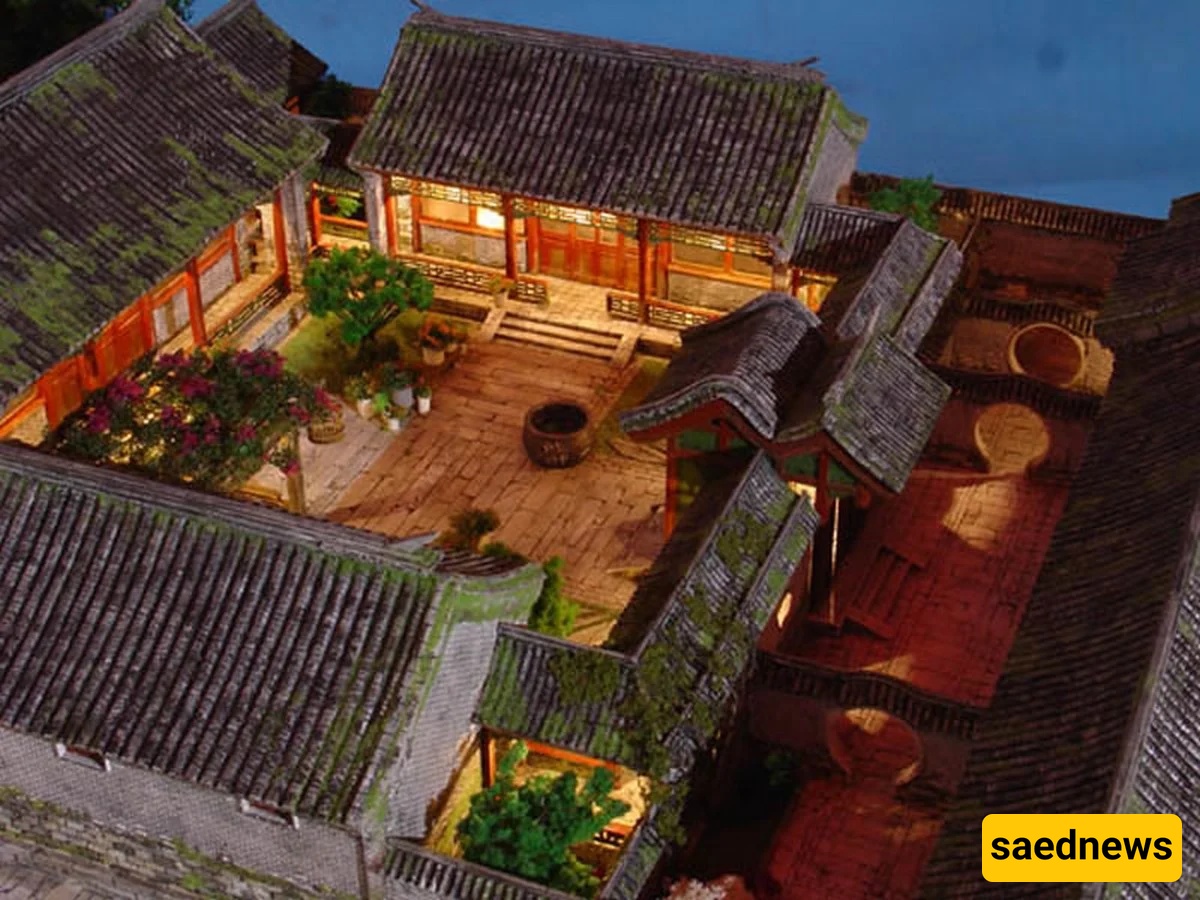
From ancient Mesopotamia and the Mediterranean world to traditional Chinese and Islamic architecture, courtyard houses appeared in many regions. Their basic idea was simple: rooms surrounded an open central space that became the heart of the home.
Instead of opening directly onto the street, living spaces faced the courtyard. This allowed families to enjoy sunlight and fresh air while maintaining privacy.
In cities where streets could be crowded, noisy, dusty, or unsafe, a courtyard created a controlled outdoor space inside the home.
Large street-facing windows are common in modern homes, but ancient societies often had different ideas about privacy.
A house with fewer exterior openings protected family life from public view. Visitors entering the home moved from the outside world into a private interior environment centered around the courtyard.
In many Middle Eastern and Mediterranean traditions, the courtyard became the place where family activities, gardens, water features, and social gatherings could happen away from the street.
One of the biggest advantages of courtyards was environmental control.
Before electric cooling and heating, architecture itself had to manage temperature. A courtyard could bring daylight into rooms while reducing direct exposure to harsh sunlight. Air movement through the open space helped improve ventilation, and shaded walls could help keep interiors more comfortable.
In hot climates, the courtyard worked almost like a natural cooling system. Water, plants, shade, and carefully positioned walls could create a more pleasant microclimate inside the home.
Ancient Roman houses, especially the wealthy homes preserved at Pompeii, often followed this inward-looking design. Many had few windows facing the street, with important rooms arranged around atriums and gardens.
The Roman atrium was not just decoration. It provided light, collected rainwater, and created a central space where household activities and social interactions took place.
Ancient courtyards were practical, but they were also symbolic.
They represented order, family identity, and a connection between people and nature. A wealthy homeowner might decorate the courtyard with plants, fountains, artwork, or columns to show status and create a peaceful environment.
In traditional Chinese siheyuan homes, for example, the courtyard organized family life and separated different areas of the residence.
As building technology changed, large windows, mechanical ventilation, artificial lighting, and new urban planning ideas became common. Modern homes no longer depended on courtyards in the same way.
However, architects today continue to study courtyard designs because they offer lessons about natural lighting, energy efficiency, and climate-sensitive construction.
The ancient courtyard was not a sign of limitation. It was a carefully engineered solution that combined comfort, privacy, and beauty — proving that older architecture often contained ideas that remain relevant centuries later.