SAEDNEWS: Work during the Middle Ages was shaped by a strict social hierarchy, but the growth of trade helped create a skilled middle class. These seven occupations show how ordinary people helped meet the basic needs of medieval communities.
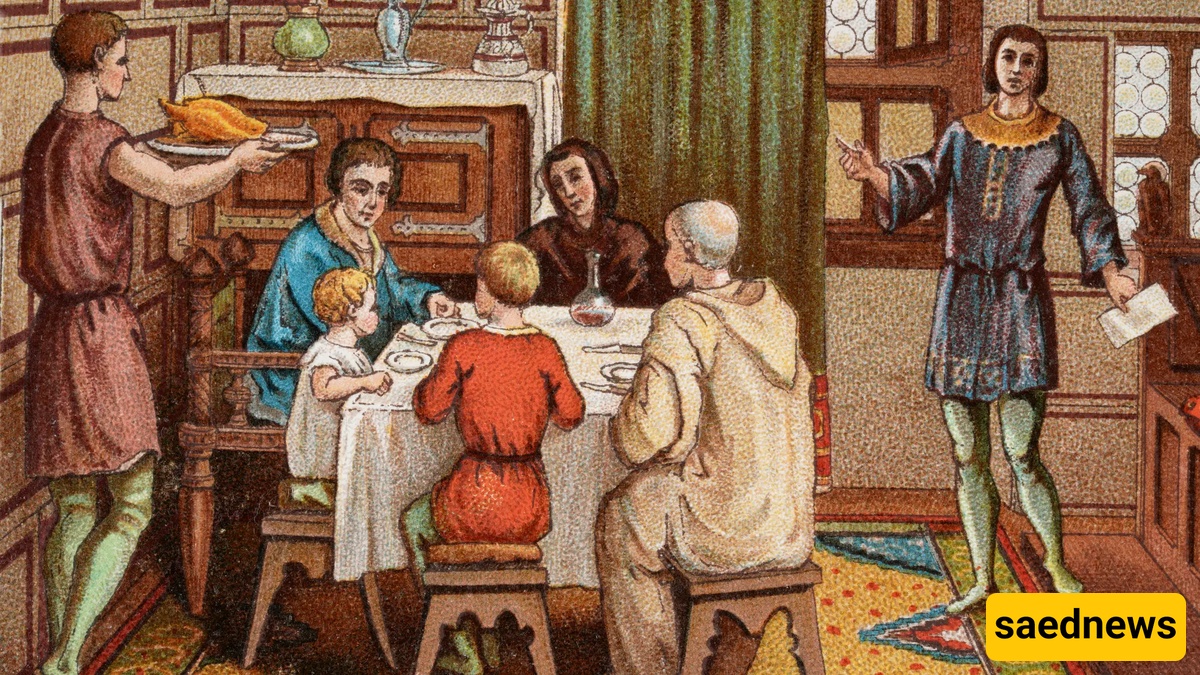
According to SaedNews: During the Middle Ages, roughly from AD 500 to 1500, European society was organized around three main estates: the clergy, the nobility, and the peasants. A person’s place in this hierarchy influenced both their responsibilities and the privileges they could enjoy.
As populations grew and trade expanded, the social structure began to change. Craftsmen and skilled merchants increasingly formed a working middle class, with many joining guilds that regulated production and helped control the quality and prices of goods. That system remained in place for centuries, until the Black Death struck in the mid-1300s.
The enormous loss of life caused a shortage of workers and increased the demand for both peasants and members of the middle class. Their wages and living conditions consequently improved, challenging the established social order. Although the hierarchy did not disappear, different groups continued contributing to the development of their communities and kingdoms.
Across the approximately 1,000 years of the Middle Ages, many occupations remained focused on supplying basic necessities. Some of the same professions survive today, although modern technology and higher production rates have transformed the way the work is done.
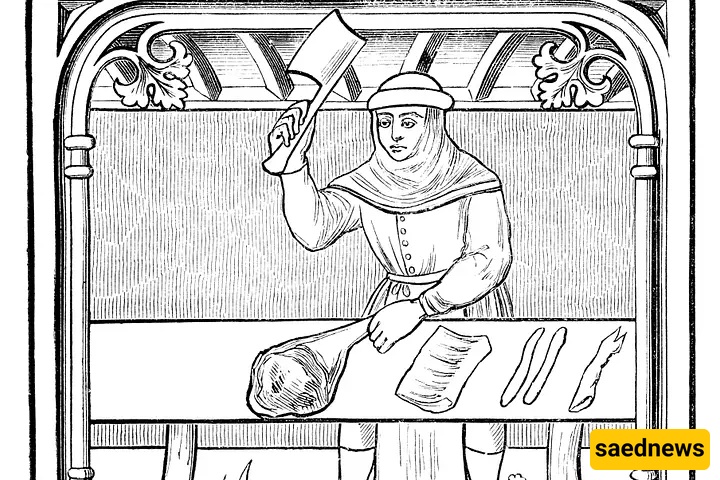
Medieval butchers cut, trimmed, and prepared animal carcasses, particularly for wealthy customers. The trade was among the earliest officially recognized occupations, and cleanliness was essential. Butchers needed to keep their shops sanitary and disinfected to reduce the risk of disease, much as modern butchers must maintain hygiene.
The profession later declined as factories and supermarkets became more widespread, although butchers have regained popularity in recent years among customers who want greater confidence about the source of their meat.
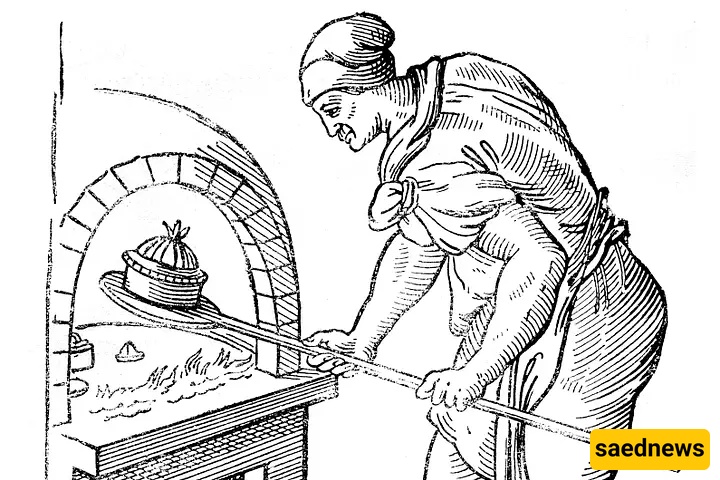
Bakers supplied bread to people from every social class. The work demanded considerable physical strength: bakers carried heavy sacks of flour and kneaded large amounts of dough manually. Their working environment was also extremely hot because of the large brick ovens used in their bakeries.
Since most homes lacked ovens suitable for baking bread, local bakers were often responsible for producing bread for entire communities. Medieval bakers generally worked with only three main grains: barley, wheat, and rye.
In May 1415, England’s King Henry V instructed bakers in Southampton and Winchester to prepare food rations for thousands of soldiers who were heading to France for an invasion.
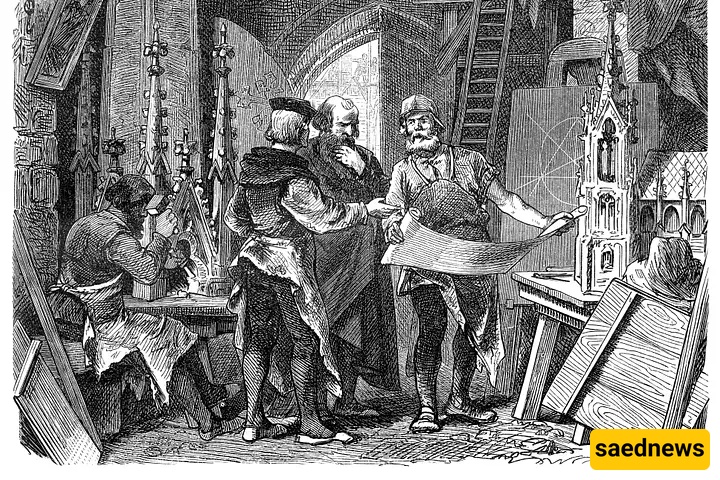
Stonemasonry may sound like a profession belonging entirely to the medieval world, but the trade still exists. Medieval stonemasons shaped and carved stone for bridges, castles, tombstones, and magnificent cathedrals.
Many entered the occupation as young apprentices before traveling from place to place in search of work. Their individual carvings could differ, but similarities can be seen at historic sites including Westminster Abbey and the choir areas of Lincoln and Ely Cathedrals. More elaborate stonework generally brought higher pay.
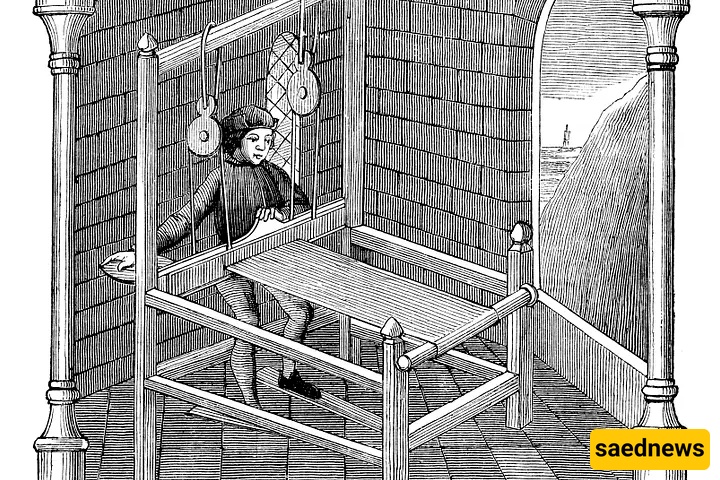
Weavers provided one of the most basic necessities of medieval life: clothing. Using looms, they turned thread into coats, underwear, blankets, and tapestries.
Beginners typically produced simpler goods from wool and linen, while highly skilled weavers could work with expensive silk. Those finer materials were used for clothing and elaborate tapestries intended for members of the nobility. Weaving was also unusual in that both men and women could practice the trade.
As looms became larger and more sophisticated, weavers established guilds to protect their interests. Although textile technology and production have changed considerably, weaving remains a profession today.
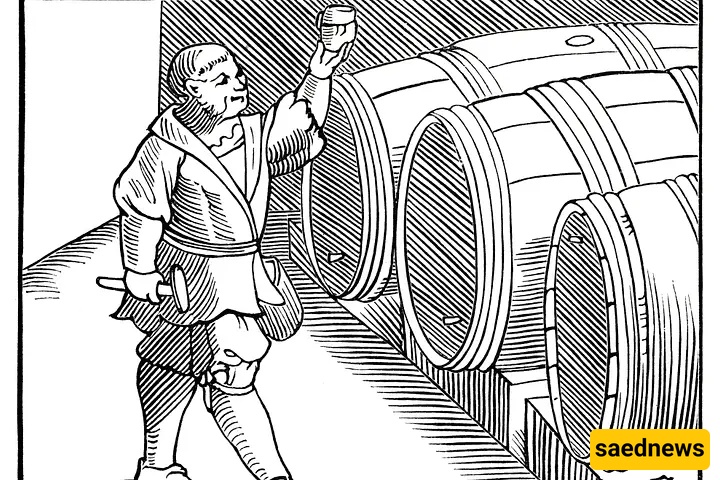
Medieval winemakers were involved in virtually every stage of production. They cared for the soil, pruned grapevines, harvested grapes with large sickles, and handled the process through to the finished wine.
Less affluent producers sometimes crushed grapes by stepping on them in wooden basins, a method particularly associated with the production of Port wine in Portugal. Larger farms instead used mechanical basket presses to extract the juice, which was the most common method of winemaking during the Middle Ages.
Wild yeasts were used for fermentation, with the wine kept in casks before being moved into wooden barrels for aging. Oak barrels are still used by many wineries today to soften wine and contribute flavor.
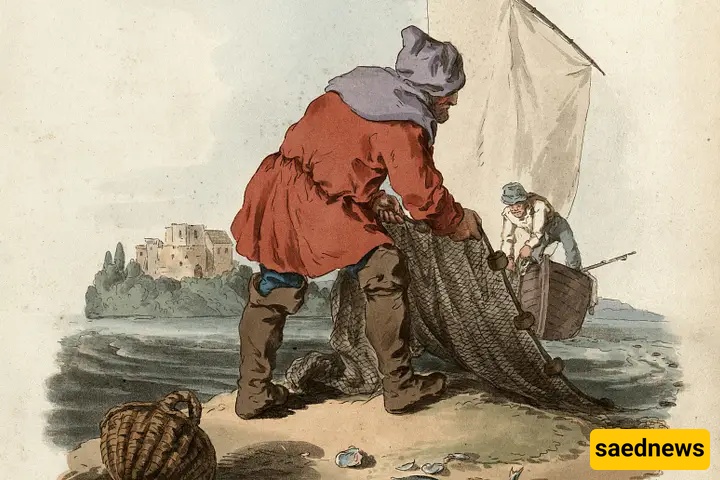
Medieval fishing relied on simple but extensive equipment rather than sonar or modern rods and reels. Fishermen used huge nets and long lines carrying hundreds of hooks in rivers, lakes, and seas to supply fish to their communities and the nobility. They also constructed large stone fishing structures and wove substantial baskets for the same purpose.
When larger fish entered shallow water, fishermen could spear them. Most medieval fishermen were peasants and frequently needed additional occupations to survive. Peasants and middle-class workers were also subject to feudal dues, meaning fish owed to lords, monasteries, and kings had to be supplied fresh or preserved through salting and drying, particularly when needed for religious ceremonies.
Modern fishermen still use large nets and manage extensive lines at sea, while fish hatcheries now make controlled breeding and large-scale production possible.
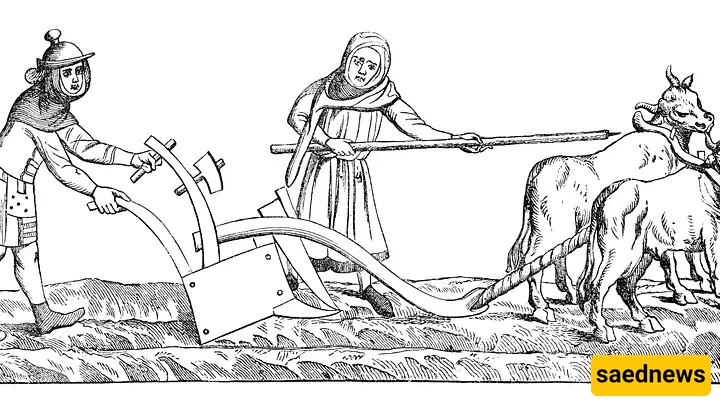
Medieval farmers, most of whom were peasants, performed essentially the same basic function as farmers today, although their methods and tools were very different. They raised livestock, cultivated crops, and maintained their homes and surrounding land for their families and villages.
Their work included plowing fields with oxen and iron plows, removing weeds by hand instead of using synthetic chemical sprays, harvesting crops, slaughtering animals, collecting firewood, caring for the soil, and handling repairs around the homestead.
Modern farmers produce crops ranging from corn and beans to cotton and potatoes. In Medieval Britain, however, peasant farmers mainly grew oats, wheat, barley, and rye. By the 13th century, peas and beans had also become part of their crops.