SAEDNEWS: Iran has announced a sweeping change in its senior military leadership, with six commanders receiving new responsibilities across the Armed Forces, the Islamic Revolutionary Guard Corps, its naval force and the Basij.
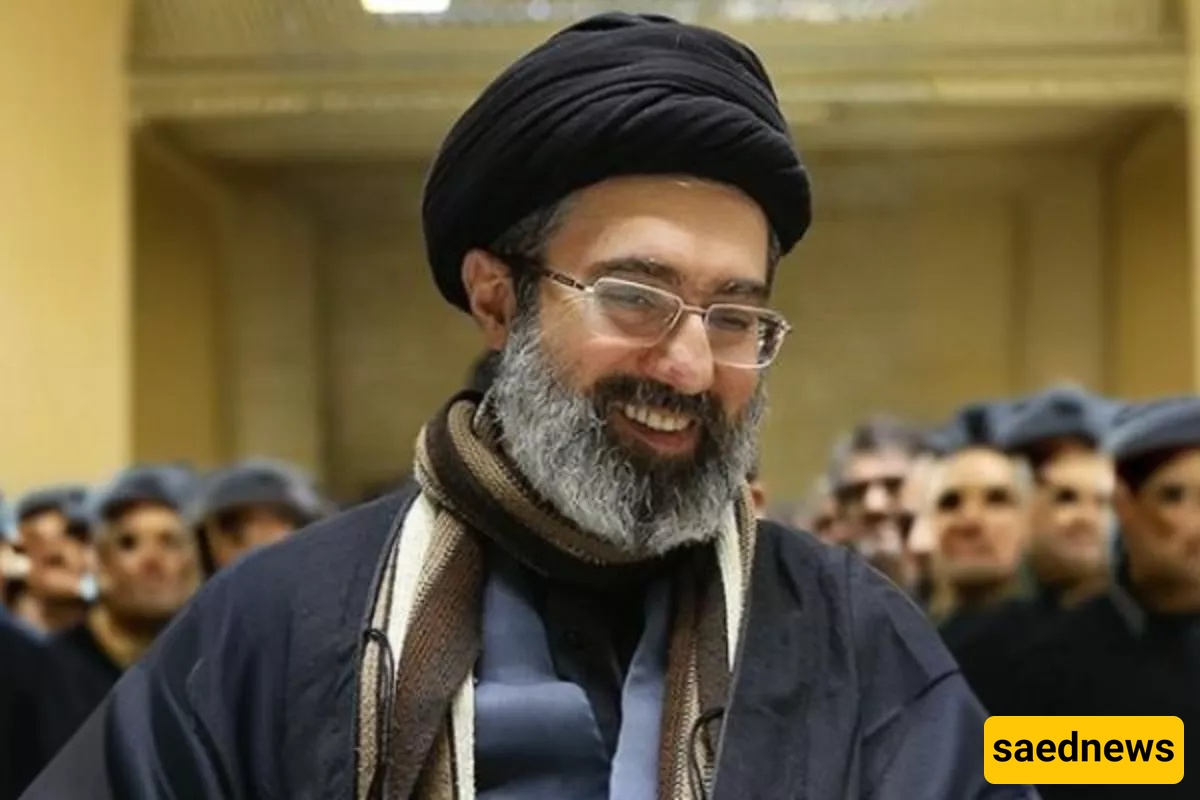
According to SaedNews: Iran has announced a major reshaping of its senior military command structure, with six high-ranking commanders receiving new assignments in separate decrees issued by Supreme Leader Ayatollah Seyyed Mojtaba Hosseini Khamenei.
The changes affect some of the most strategically important positions in Iran’s military establishment. Ali Abdollahi has been appointed Chief of Staff of the Armed Forces, while Army Brigadier General Kioumars Heydari has been named his deputy.
At the same time, Brigadier General Ahmad Vahidi has been promoted to major general and appointed commander-in-chief of the Islamic Revolutionary Guard Corps, with Major General Mostafa Izadi taking the position of IRGC deputy commander.
The reshuffle also extends to the IRGC’s naval forces and the Basij. Rear Admiral Ali Azmaei has been appointed commander of the IRGC Navy, while cleric Hossein Taeb has been named head of the Basij Organization.
The appointments represent a broad restructuring rather than a change limited to one institution. Together, they place new leadership at the center of Iran’s military command, operational coordination, naval capabilities and mass-mobilization organization.
Recent reporting has likewise identified Abdollahi and Vahidi among the central figures in Iran’s current military command structure, reflecting the importance of the positions they now occupy.
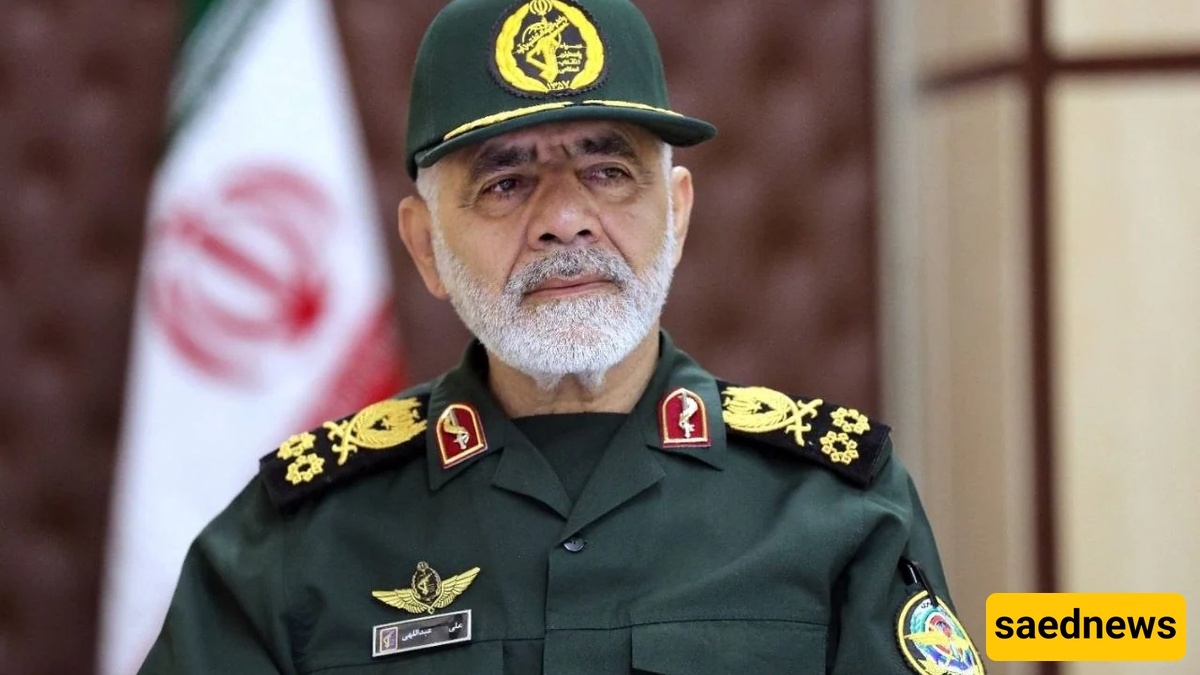
One of the most consequential appointments is that of Ali Abdollahi as Chief of Staff of Iran’s Armed Forces.
According to the decree, his appointment follows the death of General Abdolrahim Mousavi, described in the order as having been killed by what it calls the “Zionist-American enemy.” The decree cites Abdollahi’s experience and previous service as reasons for selecting him for the position.
The expectations attached to the new role are extensive. The order calls for strengthening the Armed Forces’ defensive and security capabilities, maintaining readiness for both conventional and emerging threats, and improving the ability to respond quickly and effectively.
It also highlights the continuation of the process of integrating the Armed Forces General Staff with the Central Khatam al-Anbiya Headquarters.
That makes Abdollahi’s appointment particularly significant: his role is not simply administrative. The decree places emphasis on preparedness, coordination and the ability to respond to a wide range of military, cognitive and hybrid threats.
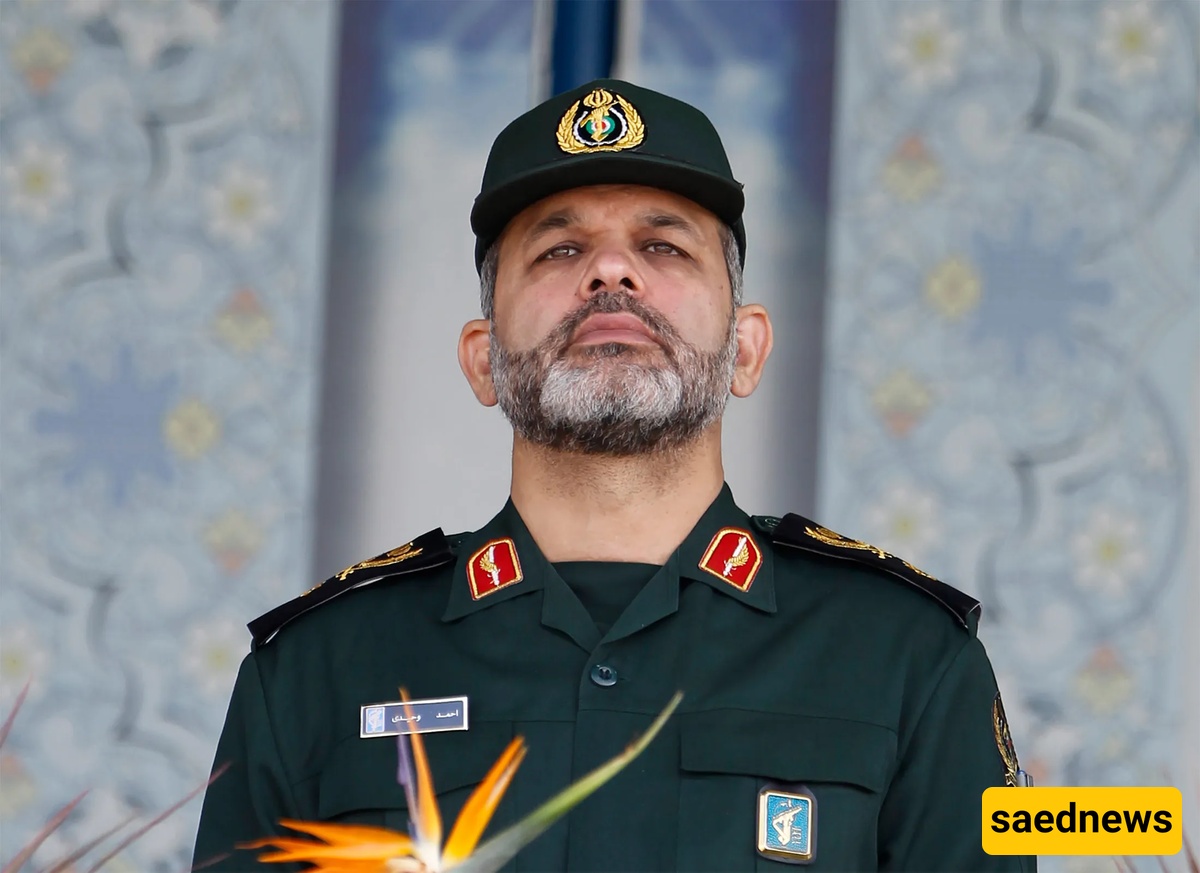
Another major change places Ahmad Vahidi at the head of the Islamic Revolutionary Guard Corps.
Vahidi, previously a senior figure in Iran’s security and defense establishment, has been awarded the rank of major general and appointed IRGC commander-in-chief following the death of Major General Mohammad Pakpour, according to the decree.
The order sets out a demanding agenda for the new commander. It calls for continued expansion of the IRGC’s capabilities with the stated objective of maximizing deterrence, alongside readiness for powerful offensive operations.
It also places unusual emphasis on the organization’s internal culture, calling for stronger religious commitment, awareness and revolutionary spirit among commanders and personnel.
The decree further stresses the importance of combining spiritual foundations with scientific knowledge and modern management skills throughout the IRGC command structure.
The wider reshuffle reaches well beyond the two top military posts.
Kioumars Heydari, commander of Iran’s Army Ground Force, has been appointed deputy chief of the Armed Forces General Staff. His mandate includes supporting improvements in defense and security capabilities, strengthening morale and spiritual resilience among personnel, and addressing service members’ welfare and livelihood needs.
Mostafa Izadi has been appointed deputy commander of the IRGC. His decree emphasizes organizational readiness and calls for a role based on the division of responsibilities and missions under the direction of the IRGC commander.
At sea, Ali Azmaei has been appointed commander of the IRGC Navy following the death of Rear Admiral Alireza Tangsiri, according to the decree.
His responsibilities include improving training and maritime skills, equipment and facilities, intelligence capabilities and combat readiness. The order also emphasizes coordination with the regular Iranian Navy and other military and civilian institutions.
The final appointment concerns the Basij Organization, where Hossein Taeb has been named head following the death of Major General Gholamreza Soleimani.
The decree calls for expanding the culture of Basij and resistance, strengthening people-based intelligence networks, increasing training and technological capabilities, and expanding cooperation with government and public institutions.
It also places emphasis on the expansion of volunteer groups, neighborhood and sector-based Basij organizations, and social services centered around mosques.
Taken together, the six appointments create a new leadership lineup across several layers of Iran’s military and security establishment.
The most striking feature is the breadth of the changes. The appointments simultaneously affect the Armed Forces General Staff, the IRGC command, the IRGC Navy and the Basij, linking the changes to both conventional military preparedness and broader security mobilization.
The decrees repeatedly stress readiness, deterrence, organizational strength, modern capabilities and coordination. They also place significant emphasis on ideological cohesion, morale and the social role of the Basij.
For observers of Iran’s military structure, the significance of the reshuffle therefore extends beyond the names themselves. It signals an effort to place experienced commanders in positions responsible for coordinating national defense, directing the IRGC, managing naval forces and expanding the country’s people-based mobilization network.
With six senior posts changing hands at once, the new appointments are likely to draw close attention to how Iran’s military command operates in the period ahead—and to whether the priorities outlined in the decrees translate into changes in preparedness, organization and strategy.
The reshuffle ultimately leaves one central question for observers: how will this new group of commanders shape Iran’s military response and security posture in an increasingly volatile environment?