SAEDNEWS: The unilateral withdrawal from the JCPOA, the overlap of negotiations with escalating military actions, and the repeated violation of understandings all indicate that Donald Trump's record toward Iran has been marked by broken commitments and the undermining of diplomatic efforts.
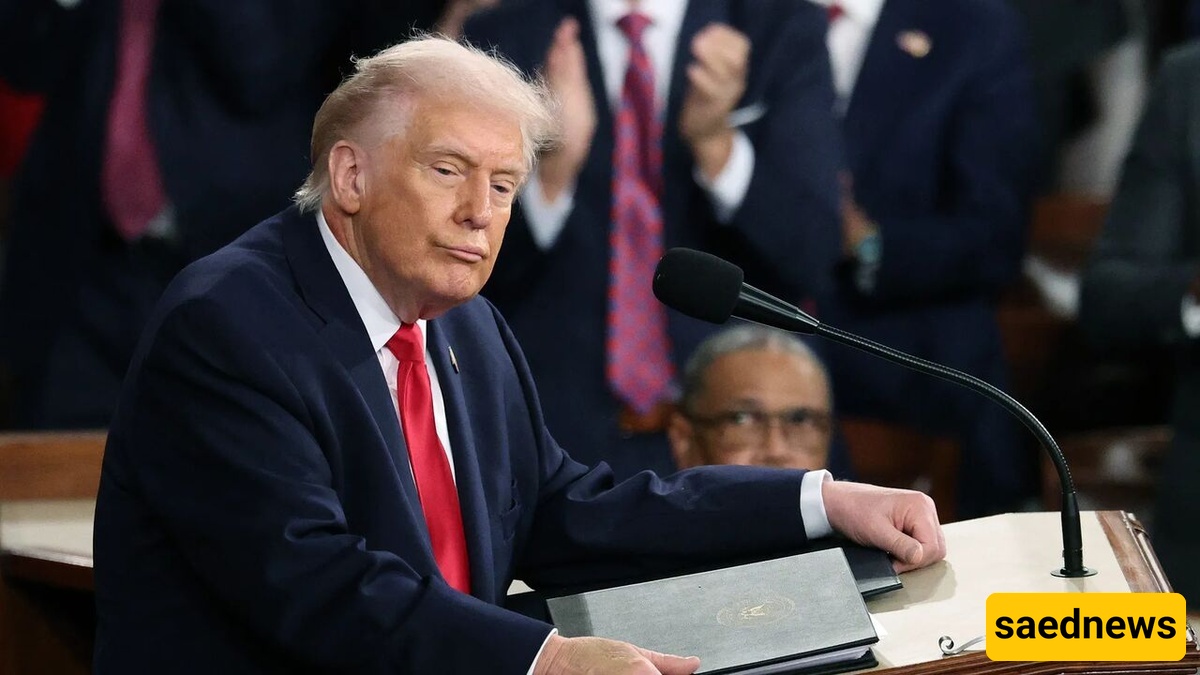
According to a report by Saednews political news outlet, Donald Trump's approach to U.S. foreign policy has been widely associated with withdrawing from international agreements, pursuing a policy of maximum pressure, and making abrupt changes to diplomatic negotiations.
The report argues that the Trump administration's actions toward Iran interrupted or reversed several diplomatic processes and existing agreements, contributing significantly to Tehran's distrust of negotiations with Washington.
The first example cited is the United States' unilateral withdrawal from the Joint Comprehensive Plan of Action (JCPOA), commonly known as the Iran nuclear deal. The agreement had been reached after years of negotiations between Iran and major world powers and was endorsed by a United Nations Security Council resolution.
In 2018, the Trump administration withdrew from the agreement despite international monitoring bodies not formally accusing Iran of violating its nuclear commitments at that time. The administration then replaced the deal with its "maximum pressure" policy, reimposing sanctions and escalating tensions between the two countries.
According to the report, this decision effectively dismantled one of the most significant diplomatic agreements of recent decades and intensified hostility between Washington and Tehran.
The article also points to a later period in which diplomatic discussions reportedly continued while regional security tensions were rapidly increasing.
It claims that although the United States publicly supported negotiations, military developments occurred simultaneously, including Israeli military operations against Iran and subsequent U.S. strikes on certain Iranian nuclear facilities. The report characterizes the negotiation process during this period as having been used alongside military pressure, describing it as part of a broader strategy rather than a purely diplomatic effort.
The article further alleges that a similar pattern was repeated during a later conflict, with the United States assuming a more direct military role.
According to the report, discussions about restoring diplomacy after the conflict were met with deep skepticism.
It claims that despite an initial understanding covering 14 provisions, both the United States and Israel violated those commitments. The article further alleges that after tensions in the Strait of Hormuz, President Trump made remarks insulting to Iranians and ultimately violated the ceasefire.
As a result, the report argues that these experiences have further deepened Iran's distrust of any future agreement with the United States.
The article concludes that the issue extends beyond Donald Trump's presidency. From Tehran's perspective, it argues that political assurances from the United States are insufficient without enforceable legal and practical guarantees.
The report also contends that multiple U.S. administrations have failed to fully honor commitments made to Iran. It claims that even during the Obama and Biden administrations, despite the existence of the JCPOA, the United States did not completely fulfill its obligations and continued expanding sanctions against Iran.
The article concludes by posing the following question:
"If you were leading the negotiating team, what practical guarantee would you require as the primary condition for returning to the negotiating table to prevent the United States from violating a future agreement again?"