SAEDNEWS: Locking pliers are a versatile tool available in various jaw types and sizes. Understanding their components and dimensions helps in making a better choice for different applications.
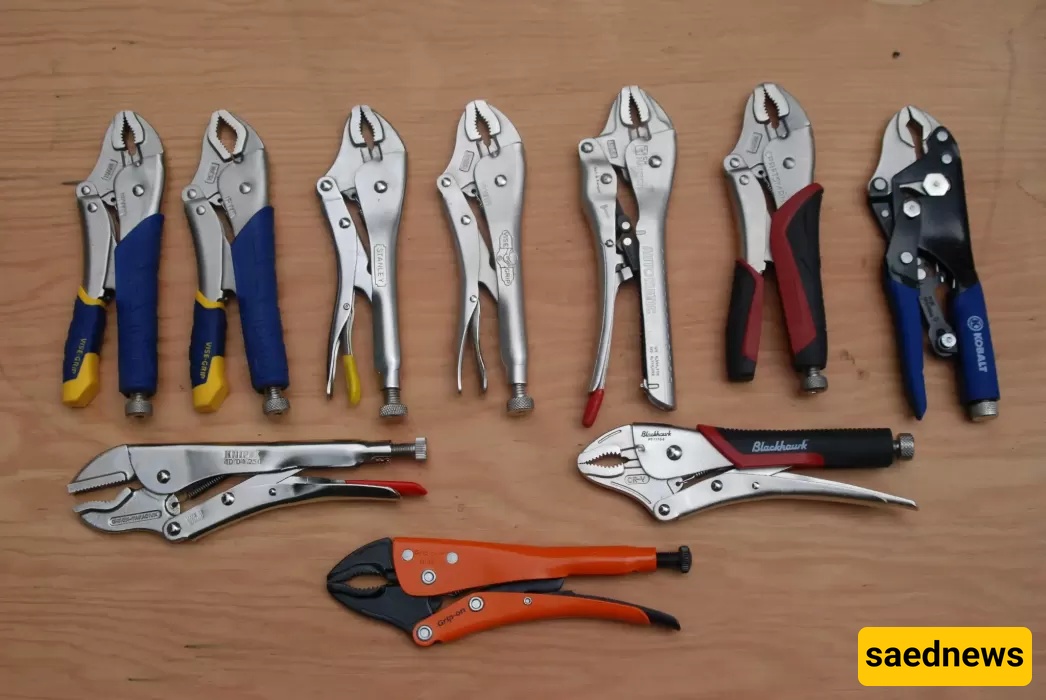
According to Saednews, Locking pliers are versatile hand tools available in different jaw designs and sizes, suitable for light-duty tasks to industrial applications. Understanding their types, sizes, and components helps users choose the right tool for better performance.
Straight Jaw Locking Pliers: Designed for flat surfaces and general gripping tasks.
Curved Jaw Locking Pliers: Ideal for gripping round objects such as pipes and rods.
Long Nose Locking Pliers: Suitable for precision work and reaching narrow spaces.
C-Clamp Locking Pliers: Used for clamping and holding larger workpieces.
Chain Locking Pliers: Designed for gripping irregular shapes and large objects.
Pipe Grip Locking Pliers: Specially made for holding and turning pipes.
Welding Locking Pliers: Used for securing metal parts during welding operations.
Long Handle Locking Pliers: Provide extra leverage and higher gripping force.
V-Jaw Locking Pliers: Designed for stronger grip on angled and uneven surfaces.
Large Opening Locking Pliers: Suitable for oversized components.
Parrot Nose Locking Pliers: Designed for special gripping applications.
Multi-Purpose Locking Pliers: General-purpose tools for various tasks.
Sheet Metal Locking Pliers: Used for holding and shaping metal sheets.
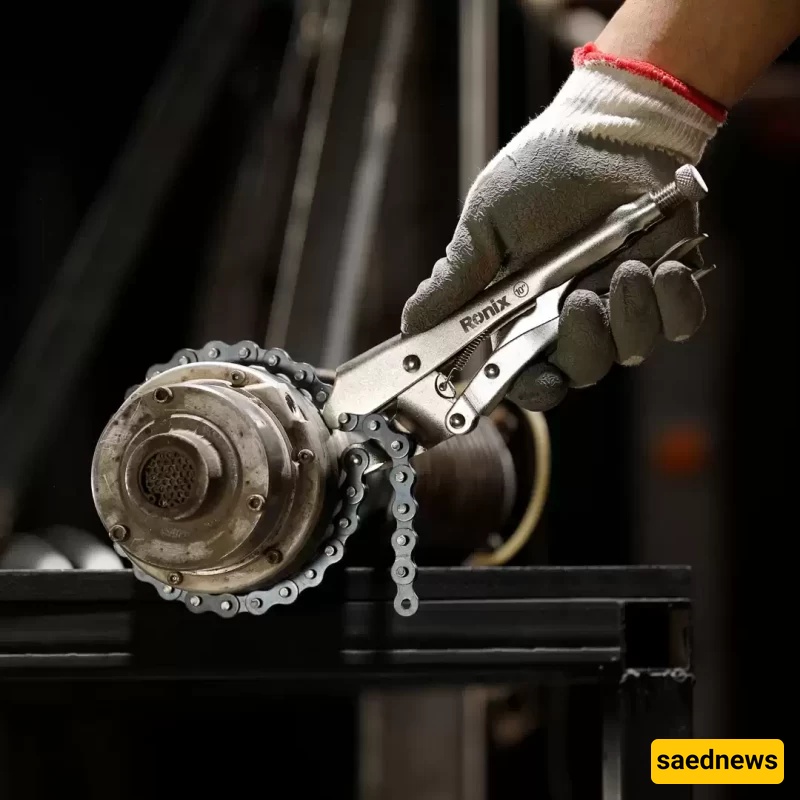
The size of locking pliers affects control, gripping strength, and ease of use. Smaller models are better for precision work and limited spaces, while larger models provide more force for heavy-duty applications.
5-inch: Suitable for delicate work, electronics, and tight spaces.
7-inch: Good for general repairs, household tasks, and detailed work.
10-inch: The most common size for general and medium-duty applications.
12-inch: Designed for heavy-duty work, plumbing, and industrial metalworking.
Locking pliers consist of several important components, each contributing to their performance.
Jaws: The main gripping part. Jaw designs such as flat, curved, V-shaped, or fine-toothed provide different gripping abilities. Teeth improve friction and prevent slipping.
Adjustment Screw: Located at the end of the handle, it controls jaw distance and gripping pressure.
Release Lever: Allows quick unlocking and removal of the tool from the workpiece.
Handles: Transfer force to the jaws. Longer handles provide more power but may reduce control in tight areas.
Body and Central Pivot: The main structure that supports pressure and coordinates jaw movement. High-quality construction improves durability.
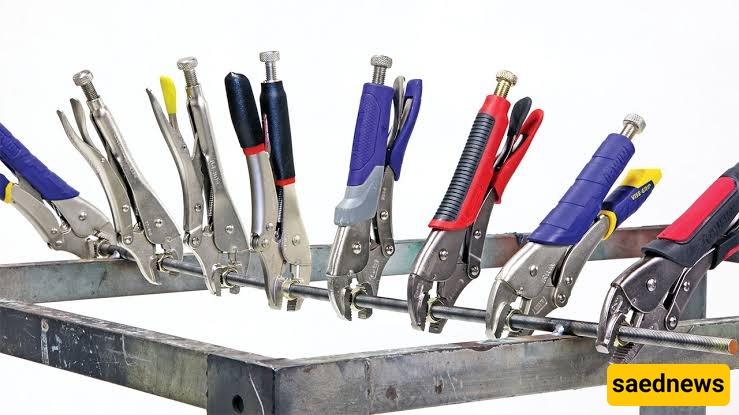
When buying locking pliers, consider the following factors:
Material and Build Quality: High-quality models are often made from chrome-vanadium steel for better strength and corrosion resistance.
Locking Mechanism: A smooth and reliable locking system prevents accidental release during use.
Jaw Type: Select straight, curved, V-shaped, or fine-tooth jaws based on the intended application.
Handle Length: Longer handles provide stronger leverage but may be harder to control in limited spaces.
Grip Design: Non-slip and ergonomic handles improve comfort and reduce hand fatigue.
Brand and Manufacturing Quality: Reliable brands usually offer better accuracy and longer service life.
Jaw Capacity: The opening range should match the size of the materials you normally work with.
Choosing the right locking pliers depends on the type of job, required gripping force, working space, and material being handled. From precision repairs to heavy industrial tasks, selecting the correct jaw style and size ensures better control, safety, and efficiency.