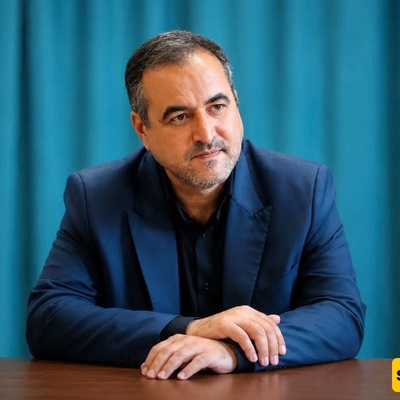
SAEDNEWS: U.S. Vice President JD Vance defended direct talks with Tehran, stating that Washington has never aimed to bring Reza Pahlavi to power. He said President Trump's goal is to curb Iran's nuclear program while avoiding a prolonged conflict, adding that Iran's future will be decided by its own people.
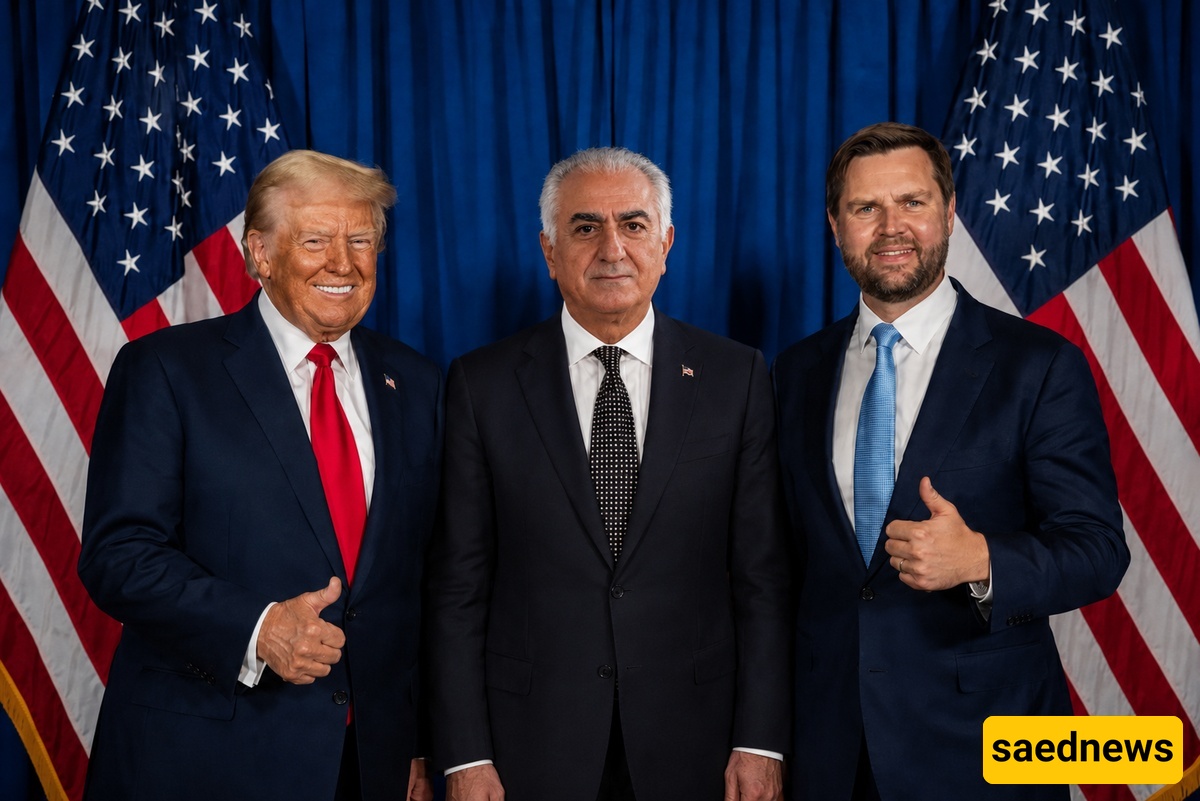
According to SaedNews political desk, U.S. Vice President J.D. Vance has firmly rejected the idea of pursuing regime change in Iran. In a recent television interview, he stated that the current U.S. administration has never intended to install Reza Pahlavi or establish a new political system in the country. Stressing that Iran’s political future should be determined solely by the Iranian people, Vance said Washington has no interest in becoming entangled in another prolonged conflict or military quagmire in the Middle East.
Vance, who is expected to personally attend negotiations in Geneva to assess Iran’s seriousness in the talks, noted that the Trump administration does not view negotiations with Tehran as a “reward.” Instead, he described diplomacy as a purposeful step aimed at achieving tangible results in limiting Iran’s nuclear activities.
Responding to criticism from monarchist groups, the U.S. vice president also revealed the existence of domestic pressure within Washington. He emphasized that despite calls from some factions to deploy hundreds of thousands of ground troops to Iran, the Trump team would strongly resist such interventionist policies. Vance further stated that the United States would not provide financial payments to Iran and described any potential agreement as fundamentally different from past arrangements.
According to Vance, if Tehran fully abandons its military, missile, and nuclear programs, the conditions for Iran’s economic reconstruction could be created not through U.S. funding but through investments from Arab Gulf states. He added that this broader understanding, which would also encompass developments related to Lebanon, could bring significant changes to the Middle East without requiring direct U.S. military involvement.