SAEDNEWS: All provinces and cities of the country have their own distinct civilization and culture, and for this reason, from the past to the present, numerous epithets have been assigned to the cities of the country.
According to Saednews, Iran is a vast land with a 7,000-year-old civilization that hosts many beautiful cities. Among these cities, some are known by special nicknames, which originate from their culture, nature, industry, products, and traditions. Do you know what each Iranian city is famous for and why? Read this section of Namnak culture and art to get familiar with the nicknames of Iranian cities.
Below you will learn about the nicknames of various Iranian cities:
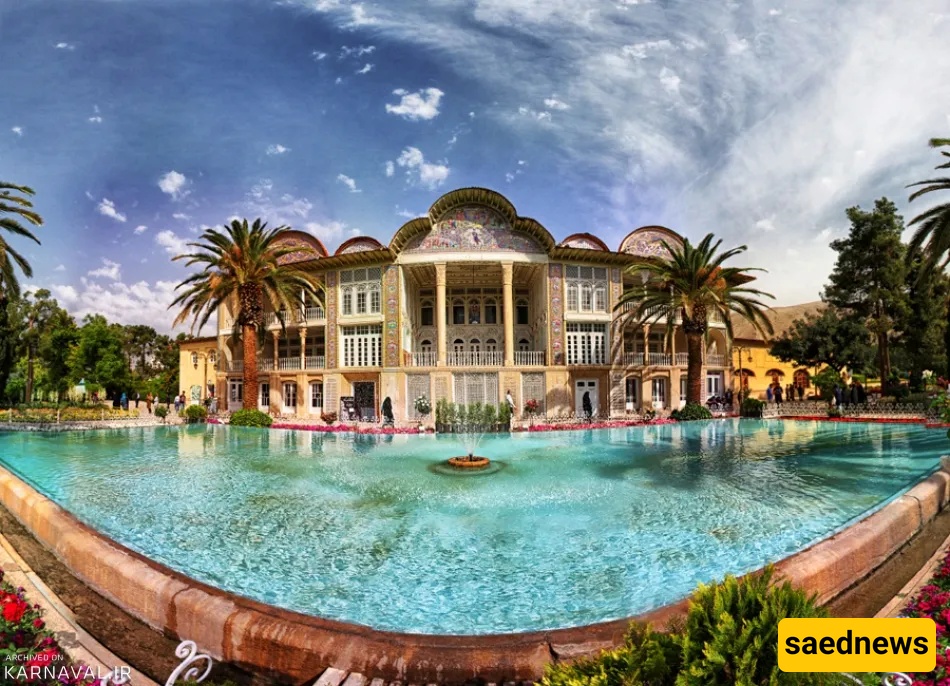
Shiraz, the city of Hafez and Saadi, is a beautiful city full of world-famous gardens. The scent of orange blossoms fills the entire city from afar, attracting many visitors. That is why Shiraz is called the “City of Flowers and Nightingales” and the “City of Orange Blossoms.”
In the past, Shiraz was known as “Shahr-e راز (City of Secrets),” which gradually evolved into Shiraz. Other famous nicknames include “City of Joy and Charm” and “Dar al-Elm (House of Knowledge).”
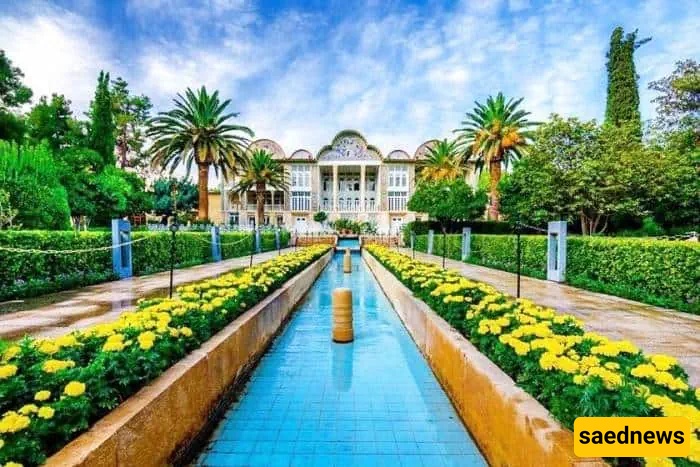
Sistan and Baluchestan is a large province in southeastern Iran, birthplace of many Iranian legends such as Rostam, Kai Khosrow, and Yaqub ibn al-Layth al-Saffar. Located between desert and sea, it features beautiful palm groves and strong sunlight, earning it the titles “Land of Palms and Sun” and “Desert and Sea.”
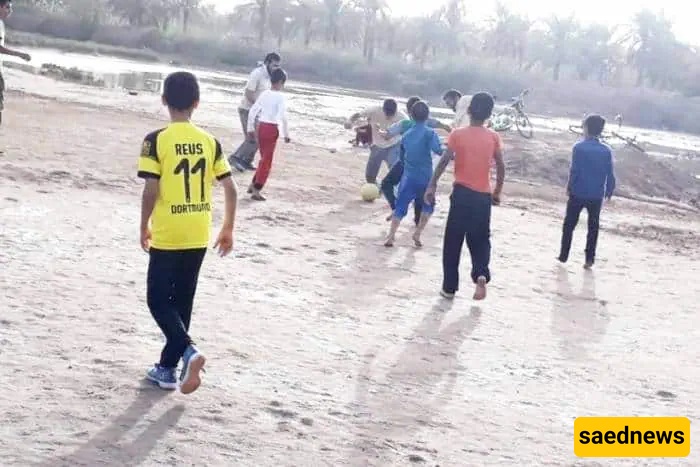
Abadan is famously known as the “Brazil of Iran.” This nickname likely comes from the strong passion of its people for football and their long-standing football culture. The similarity of its football atmosphere to Brazil has also contributed to this title.
Even the Brazilian ambassador to Iran once visited Abadan during a southern derby match. Stadiums in this city are filled with green and yellow Brazilian flags during games.
Chabahar is a pleasant coastal region with year-round spring-like weather. Its name is believed to have evolved from “Chahar Bahar” (Four Springs), reflecting its constant pleasant climate.
The presence of Lake Urmia and abundant water resources has given Urmia the nickname “City of Water.” It is also called the “City of Religions and Ethnicities” because Kurds, Azeris, and Assyrians live together peacefully in this city.
Another nickname is “Dar al-Neshat (House of Joy),” given during the Qajar era due to its mild climate, gardens, and harmonious coexistence of communities.
Around 330 BC, Alexander the Great stopped in Damghan. The city later became part of the Seleucid Empire and one of the early capitals of the Parthians.
It is called the “City of a Hundred Gates” because Greeks referred to cities with many gates as “Hecatompylos,” meaning “hundred gates.”
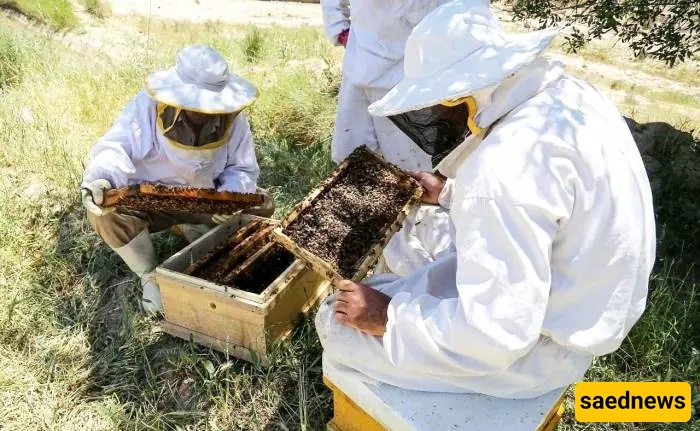
Ardabil is known as “Dar al-Aman (Land of Safety),” “Dar al-Rashad,” “Dar al-Irshad,” and the “Paradise of Beekeepers.” It is called a sacred city because the name Ardabil comes from the ancient words meaning “holy city.”
In the Safavid and Timurid eras, it was known by different titles reflecting its importance. It is also famous for its honey and beekeeping traditions.
Ramsar is a beautiful northern city known as the “Bride of Iranian Cities” due to its lush green forests, pleasant climate, and location between the mountains and the Caspian Sea.
Isfahan is one of Iran’s largest cities and is called “Half of the World” due to its thousands of historical monuments, including palaces, gardens, mosques, churches, towers, and historic houses.
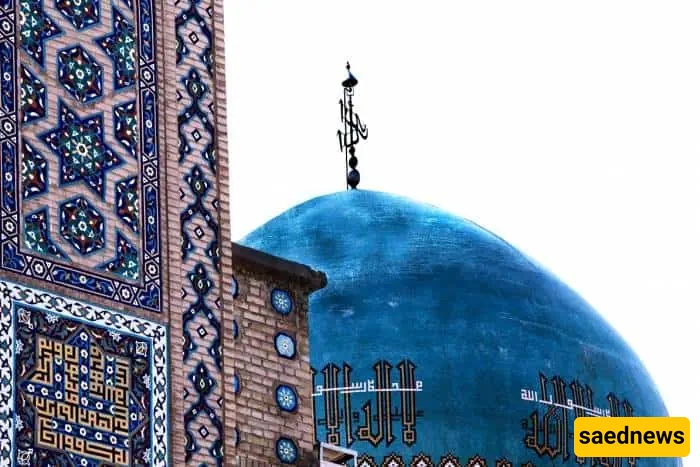
It is also known as the “City of Turquoise Domes” because of its magnificent Islamic architecture and blue domes. Other historical names include “Dar al-Saltanah.”
Rasht, the largest city in northern Iran and a major tourist destination, is known as the “City of Rain” or “City of Silver Rain” due to its heavy rainfall.
Ahvaz is called the “City of Nightlife” because people are more active at night due to its hot daytime climate. Street food, parks, and riverside areas become lively after sunset.
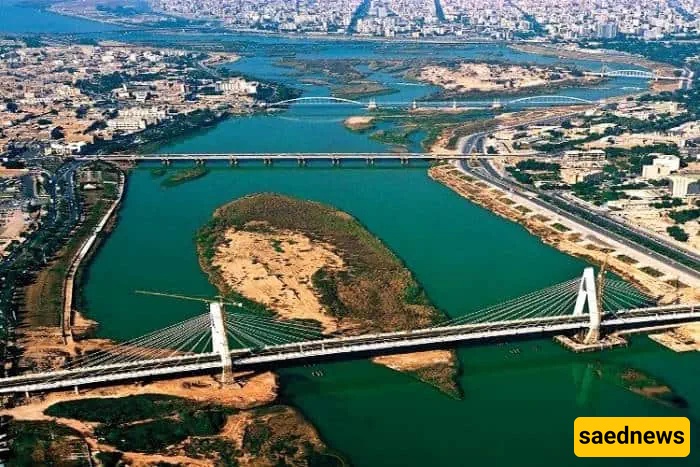
It is also known as the “City of Bridges” because it has the highest number of bridges in the Middle East.
Rafsanjan is known as the “City of Green Gold” because of its vast pistachio orchards, including one of the largest artificial forests and pistachio farms in the world.
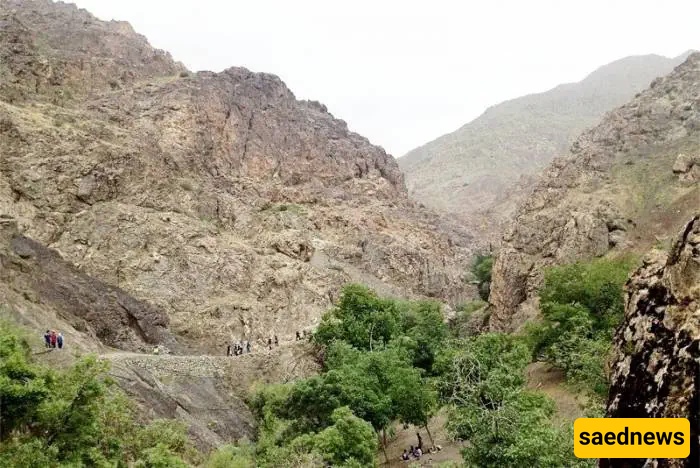
Ilam is a beautiful city known as the “Bride of the Zagros” due to its natural beauty. It is also called the “Land of Sunrise,” as ancient inscriptions refer to its name as meaning “mountain or land of the rising sun.”
Cheneshte, a village in South Khorasan, is known as the “Land of Colors” due to the vibrant traditional clothing of its people, especially women who wear brightly colored garments and ornaments.
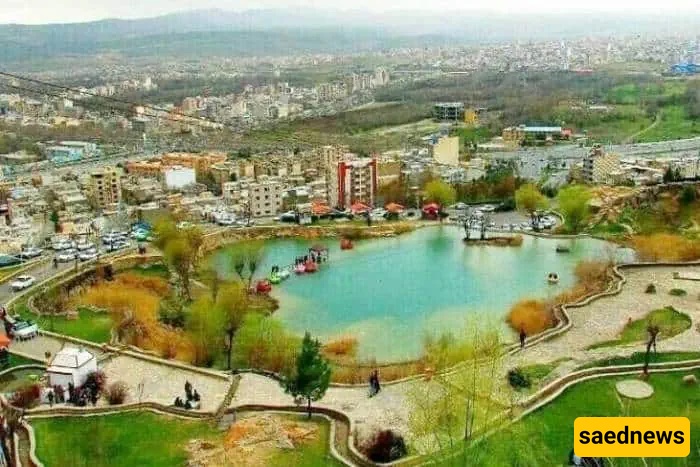
Borujerd is called “Little Paris” because of its scenic surroundings and European-like landscapes when viewed from higher elevations.
Another city, Bojnourd in North Khorasan, is also referred to as “Little Paris” due to its organized urban planning and beautiful green spaces.
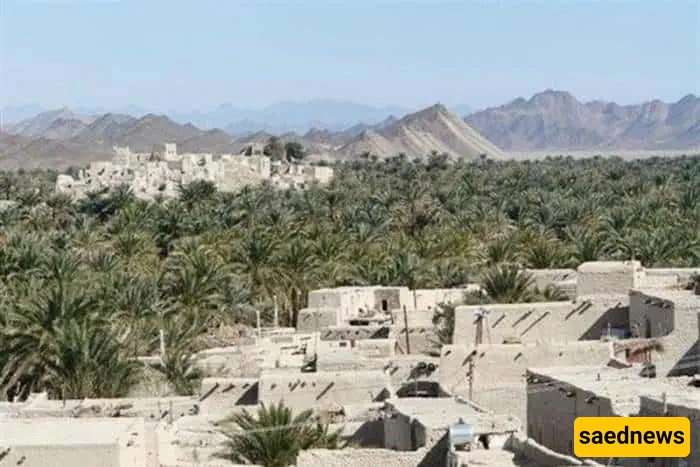
Makhunik, located in eastern South Khorasan, is known as the “Land of Lilliputians” due to historical reports of short stature among its residents and its small stone-and-clay houses.
Borujen, located at an altitude of 2197 meters, is called the “Roof of Iran” and also “Little Greece” due to its notable figures in various fields.
Saravan is the easternmost city of Iran, bordering Pakistan. It is known as the “Birthplace of the Sun of Iran” because it is the first place in the country where the sun rises.
Bastam is known as the “City of Mystics,” home to famous Sufi figures such as Bayazid Bastami and Sheikh Abolhasan Kharagani.
Another city with a similar reputation is Shabestar, associated with Sheikh Mahmoud Shabestari.
Sarein, located near Mount Sabalan, is famous for its natural hot springs. It is called the “Land of Heavenly Springs” due to its numerous mineral water springs.