SAEDNEWS: In his latest interview with NBC, Donald Trump, speaking in a different tone than before, described Iranians as “stubborn and proud” people. He compared the recent tensions to the 19-year Vietnam War and stated that reaching an agreement would take time.
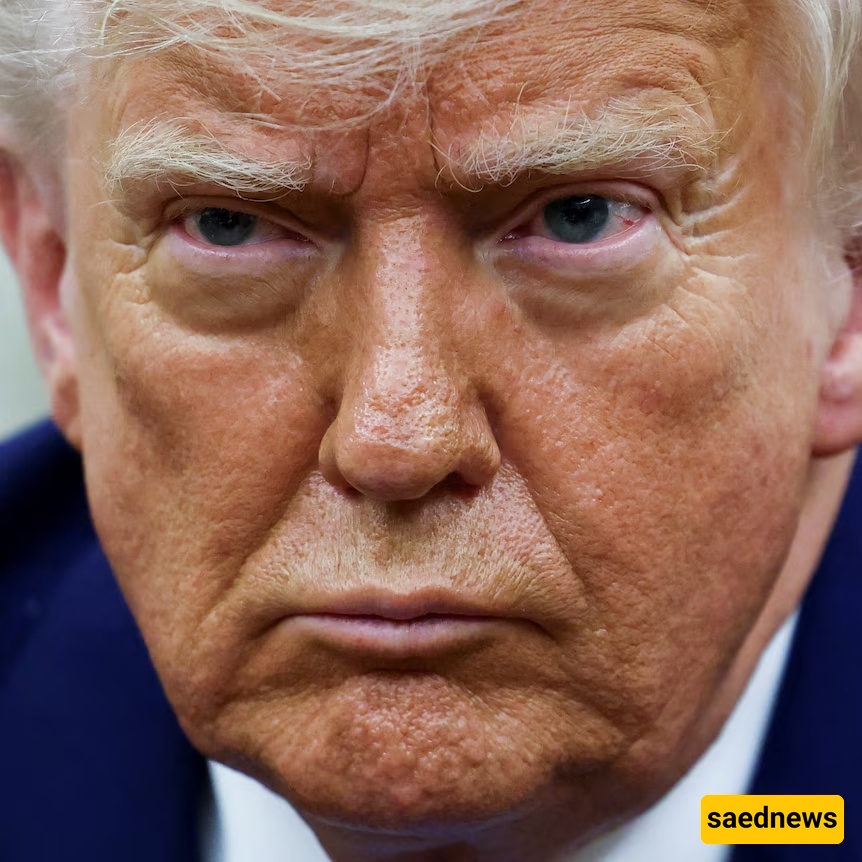
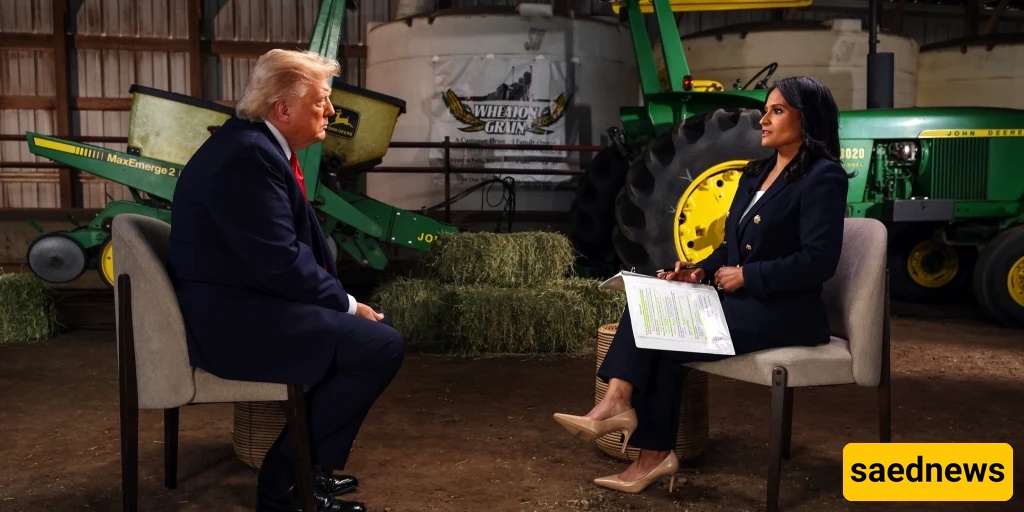
According to the political service of Saed News Agency, Donald Trump, on the sidelines of a meeting with farmers in the state of Wisconsin, responded to criticism about the prolonged negotiations with Iran by saying that resolving such issues requires years of time. Describing Iranians as “stubborn and proud people,” he emphasized that reaching an agreement is a time-consuming process. To justify the length of this conflict, which has now entered its fourth month, Trump compared it to the nineteen-year Vietnam War, stating that although only three months have passed since the current tensions began, many expect him to achieve a quick victory. These remarks come while, in previous months, he had repeatedly promised that a final agreement between Tehran and Washington would soon be signed.
Trump’s interview with NBC about negotiations with Iran
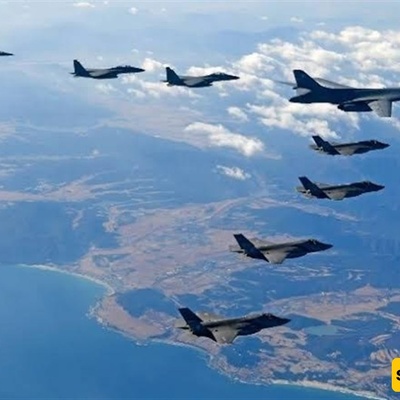
On the military front, while Marco Rubio, the U.S. Secretary of State, informed Congress of the end of military operations against Iran, Trump claimed that a large portion of Iran’s missile and drone production capability has been destroyed, though more than twenty percent of this capacity still remains. However, the main issue now is the full reopening of the Strait of Hormuz in exchange for reducing U.S. maritime pressure—an understanding that, despite an initial ceasefire being reached, has become uncertain due to recent exchanges of fire. Trump told a gathering of American farmers that he would soon clarify the matter, either through a written agreement or through a much more difficult path. All of this is happening while his administration is facing strong domestic public pressure due to rising inflation and fuel prices.
According to an exclusive analysis by Saed News Agency, Donald Trump’s recent remarks indicate a clear shift in the White House’s perspective. When the U.S. president refers to the opposing side’s stubbornness in front of cameras and changes the timeline for an agreement from “within a few days” to “a time-consuming process,” it shows that Washington has become aware of the complexity on the ground. Linking this three-month conflict to the long Vietnam War is, in fact, an attempt to buy time in front of American public opinion. The American people can see that, contrary to the Secretary of State’s claim about the end of military operations, tensions around the Strait of Hormuz continue, directly affecting gasoline prices and their daily expenses.
From the perspective of an audience following the negotiations, the outcome of these tensions is quite clear: global energy security and market stability are heavily tied to resolving the Strait of Hormuz crisis. The United States is now at a difficult crossroads; on one hand, economic pressure and declining domestic approval are pushing the Trump administration to reopen shipping routes as quickly as possible, while on the other hand, reaching a sustainable agreement requires concessions in maritime positions. Trump’s recent threats during his meeting with farmers also reflect this multi-layered pressure. Until the main demand—restoring balance in the Persian Gulf and reducing maritime tensions—is met, it is unlikely that the trade bottleneck in the Strait of Hormuz will be resolved, meaning that the shadow of economic volatility will continue to loom over global markets.