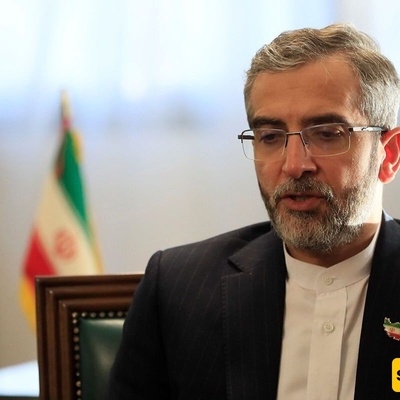
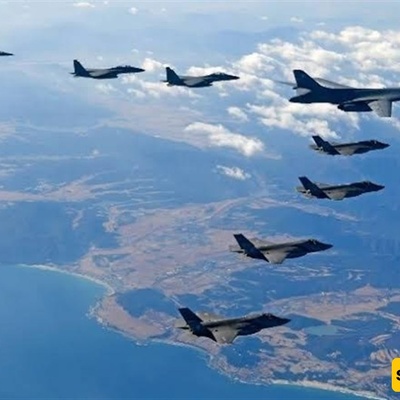
SAEDNEWS: Two hours after Iran’s warning, Israel reportedly halted a planned strike on Beirut’s Dahiyeh following a call from Trump, seen as an example of pressure-driven diplomacy.
According to the political service of the SaedNews website, yesterday afternoon, while the Israeli army—reportedly in initial coordination with the United States—issued an evacuation warning for the southern suburbs of Beirut (Dahieh), it was met with a swift and firm response from the Islamic Republic of Iran. The Khatam al-Anbiya Central Headquarters issued a strong counter-warning to residents of northern occupied territories, urging them to immediately leave the area in order to remain safe from attacks. This military warning allegedly caused such shock among Israelis that within less than two hours, Donald Trump, after an urgent phone call with Netanyahu, officially announced that “no forces will be sent to Beirut.” This unprecedented retreat occurred at a time when establishing a ceasefire in Lebanon was Tehran’s main precondition for initiating any negotiations with the United States—a condition that Israel had been repeatedly undermining.
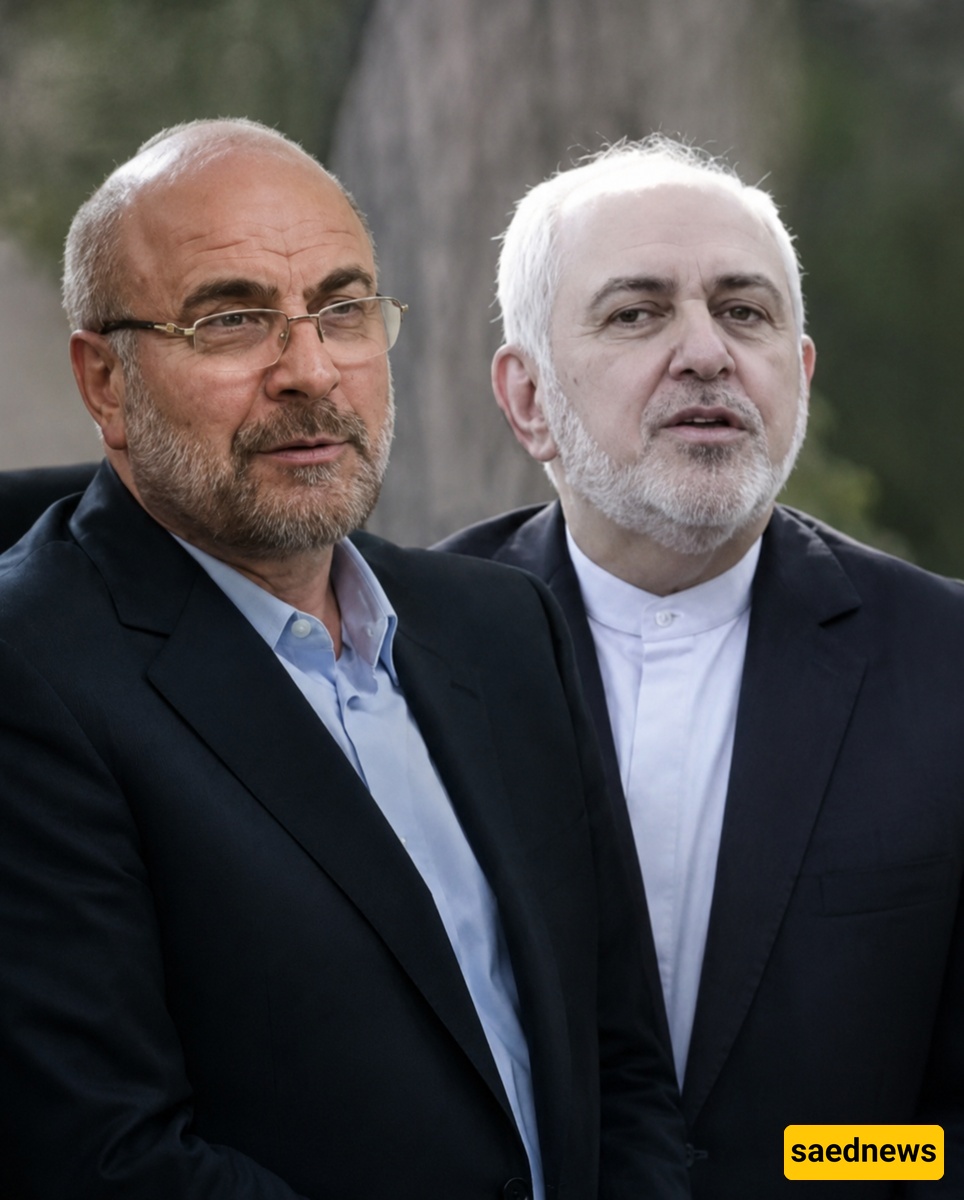
This rapid battlefield development was presented as evidence that political compromise no longer works, and it showcased a new form of Iran’s deterrence capability. While Mohammad Javad Zarif had previously argued that continued resistance would lead to destruction and that ending the war could secure concessions, Mohammad Bagher Ghalibaf allegedly demonstrated in practice that “concessions are taken with missiles and are merely clarified to the other side at the negotiating table.” This assertive approach, the report claims, reflects the exact perspective of Iran’s Supreme Leader, who has emphasized that rights are not achieved through reliance on American promises, but through strengthening and standing firm from a position of power. According to this narrative, such an approach quickly removed the shadow of war over Beirut and brought the enemy’s war machine to a halt.
Based on SaedNews’ exclusive analysis, the hurried and humiliating retreat of the United States and Israel within less than 120 minutes was not a simple pause, but rather the unveiling of Iran’s “threat in response to threat” policy. When Khatam al-Anbiya Headquarters reportedly declared that the response to threats against Beirut would be targeting northern Israel, the Israeli war machine—backed by the green light of the United States—was stopped in its tracks by Iran’s firm resolve. The report claims this event sent a message to the world that it is not the West’s apparent or hollow power that determines the fate of the Middle East, but rather the missiles of the resistance that dictate to the U.S. president when he must pick up the phone to prevent disaster and order a halt to attacks.
This development is portrayed as having proven that weak and conciliatory policies are no longer relevant and has opened a new path in Iran’s foreign policy. It contrasts two perspectives: one that believed war should be stopped for small concessions, and a more “realistic” view stating that concessions must be achieved on the battlefield with missiles and only finalized at the negotiation table. According to the report, this approach successfully defended Beirut. It further states that this development reflects the view of the Supreme Leader, asserting that Israel and its unreliable U.S. ally do not understand the language of logic unless it is spoken from a position of power. It concludes that in today’s world, guarantees for agreements and ceasefires are not paper documents or diplomatic gestures, but rather military power and “hands on the trigger.”