SAEDNEWS: The expiation for missed prayers refers to a religious penalty prescribed for those who neglect their prayers. If an obligatory prayer is not performed at its appointed time, a religious obligation or penalty may apply.
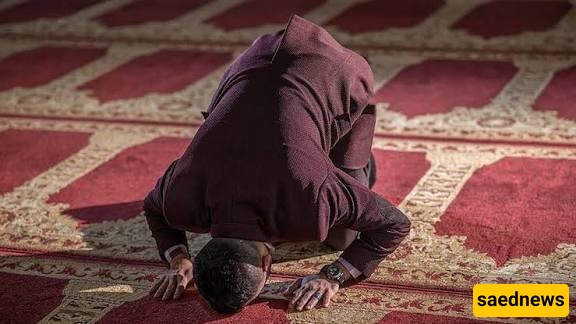
According to Saednews, Compensation for missed prayers applies to all obligatory prayers that were not performed at their prescribed times. It does not matter whether a Muslim misses the two-unit Fajr (morning) prayer or the four-unit Dhuhr (noon) prayer. Any obligatory prayer that is not performed within its designated time is referred to as a missed prayer that must be made up (Qada).
If someone deliberately neglects obligatory prayers despite knowing that they are required, the issue of repentance arises. Such an act is considered sinful, and the person should repent. The process begins by seeking forgiveness from Allah for neglecting the obligatory prayers.
Afterward, the missed prayers must also be made up. In Islamic law, anyone who has failed to perform obligatory prayers is generally required to make up those prayers. However, if someone missed prayers for a valid reason, such as illness or a similar circumstance, repentance for deliberate neglect is not required; making up the missed prayers is sufficient.
There are specific rulings concerning prayers that were not performed at their prescribed times. The following sections explain these rulings in greater detail.
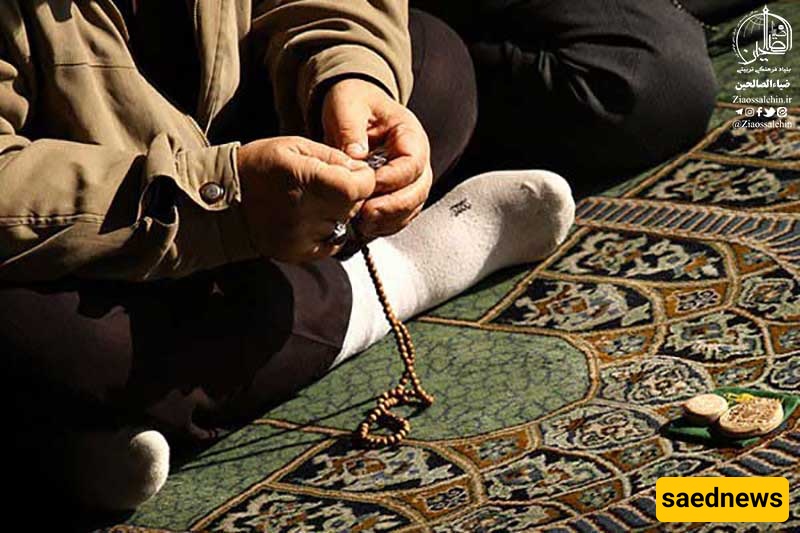
The first obligatory prayer of the day is usually Fajr. Because it is performed early in the morning, many people occasionally miss it. Although Fajr consists of only two units and is shorter than the other daily obligatory prayers, it is still frequently missed. Therefore, making up missed Fajr prayers is common among practicing Muslims.
When making up a missed Fajr prayer, it is preferable to recite it aloud. As a recommended precaution, the missed Fajr prayer should be recited aloud, just like a missed Maghrib prayer. This ruling applies to men rather than women.
It is also preferable to make up the missed Fajr prayer before performing Dhuhr. Although this is not an absolute obligation, following this order is recommended. For example, if someone intends to perform Dhuhr after its call to prayer but has not yet made up Fajr, it is preferable to perform the missed Fajr prayer first and then proceed with Dhuhr.
A person may sometimes be in a state of major ritual impurity (janabah) and perform obligatory acts such as prayer and fasting without realizing it. If someone knowingly performs these acts while in that state, the affected acts must be repeated because they are not valid.
However, if the person is unaware of their state of janabah and discovers it later, their completed fasts remain valid. The ruling regarding prayers is different: prayers performed while in a state of janabah are invalid, even if the person was unaware of their condition. Those prayers must therefore be made up as soon as possible.
If a person intends to make up missed prayers but is physically unable to stand and must pray while sitting, there is no objection to doing so. The person may perform the missed prayers while seated.
However, if a Muslim is physically capable of standing but chooses to pray while sitting merely for convenience, the prayer will not be valid according to the ruling described here.
Sometimes, a person may have accumulated so many missed prayers that they can no longer remember the exact number. In such cases, they should make up the number of prayers they are certain they missed. When estimating the number, the minimum amount about which there is certainty is used.
For example, if someone is unsure whether they missed three to five months of obligatory prayers, they should count three months as the minimum certain amount and make up those prayers. Making up prayers that a person merely suspects they missed, without certainty, is not obligatory under this ruling.
Naturally, the more prayers a person has missed, the more time and effort it will take to make them up. To make the process manageable, it is recommended that missed prayers be completed gradually rather than all at once.
For example, a person may perform one missed prayer alongside each regularly scheduled obligatory prayer. In addition, if a significant number of prayers were missed while traveling, those prayers may be made up in the shortened form where the relevant Islamic rulings permit it.
Some people believe that if a father or mother dies without performing their obligatory prayers, the responsibility for making up those prayers automatically falls on the eldest son. However, the ruling is more nuanced than this.
The first consideration is whether the deceased deliberately neglected their prayers. A person may have abandoned prayer entirely and failed to perform any obligatory prayers throughout their life.
In such circumstances, the following points should be considered.
Making up a deceased mother's prayers is not obligatory for her children. Nevertheless, if they choose to do so, it is considered a good deed.
The ruling concerning a deceased father is somewhat different. If the father deliberately neglected his prayers, making them up is not obligatory for his eldest son, although doing so is considered a recommended act.
However, if the father's failure to perform his obligatory prayers was not deliberate, his eldest son is required to make up those prayers after his death, subject to certain conditions.
One condition is that the eldest son must not be a minor or legally considered insane. In other words, he must have reached the age of religious responsibility and possess sound mental capacity.
Another condition concerns inheritance. According to the ruling described here, if the father had legally disinherited his eldest son before his death, making up the father's missed prayers would no longer be obligatory for that son.
These rulings apply when the Muslim parent's death has occurred. A person cannot simply claim that their living father or mother does not perform obligatory prayers and then make up those prayers on their behalf. Each Muslim is individually responsible for fulfilling their religious obligations during their lifetime.
Many practicing Muslims dedicate part of their day to recommended religious acts, such as supplication and voluntary prayers. However, obligatory acts of worship, including the five daily prayers, take precedence over voluntary acts.
Therefore, anyone who needs to make up missed obligatory prayers should prioritize them before engaging in additional voluntary worship. When an obligatory duty remains unfulfilled, voluntary acts should not take priority over it.
Some people who stay awake late at night postpone the Isha (night) prayer until the final hours of the night. However, not everyone knows exactly when the prayer's prescribed time ends.
According to the ruling explained here, a Muslim who has no valid religious excuse should perform Isha before Islamic midnight. If there is a valid excuse, such as illness or circumstances preventing the required ritual purification at the appropriate time, the prayer may be delayed. In that case, it should be performed before Fajr begins so that it does not become a missed prayer.
Sometimes, a person may be certain that they missed a prayer but unsure whether it was Fajr or Dhuhr. If they know that one of these two prayers was missed but cannot determine which one, they should perform both a two-unit prayer and a four-unit prayer to ensure that the obligation has been fulfilled.
Generally, there is no single specific time for making up missed prayers. They can be performed whenever a suitable opportunity arises.
However, a person may have missed so many prayers that the original order is unclear. Some people prefer to make them up in chronological order. According to certain Islamic religious authorities, observing the order of missed daily prayers is a recommended precaution that should be followed as a religious obligation where applicable.
If the order in which the prayers were missed is known, they should be performed in that order. If the sequence is unknown, a person may begin with Fajr and then proceed with the other missed prayers.
People who have accumulated a large number of missed prayers may wish to complete them as efficiently as possible. To shorten the time needed for each prayer, they may omit certain recommended acts, such as the call to establish the prayer (Iqamah), recommended recitations, and Qunut supplication, where permitted.
In summary, a person may focus on the obligatory components of each prayer while leaving out optional acts, helping them make up their missed prayers more efficiently.