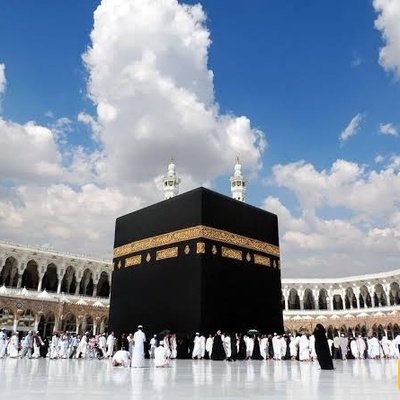
SAEDNEWS: The Tawaf prayer is one of the obligatory acts of Hajj and Umrah. It consists of two units (rak‘ahs), similar to the Fajr prayer, and is performed behind Maqam Ibrahim after completing the Tawaf.
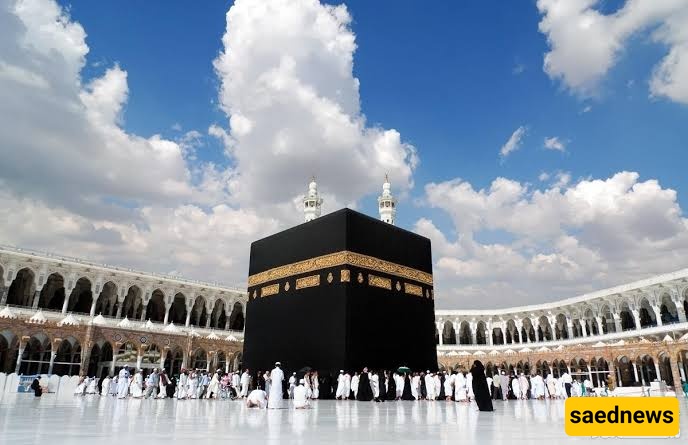
According to Saednews, The Tawaf Prayer (Salat al-Tawaf) consists of two obligatory units (rak‘ahs) that are performed after completing Tawaf around the Kaaba. It is offered with the intention of performing the Tawaf Prayer and should normally be performed behind Maqam Ibrahim (the Station of Ibrahim).
The Tawaf Prayer is performed like the Fajr prayer, consisting of two rak‘ahs, but it does not have an adhan or iqamah. The rules concerning doubt in the Tawaf Prayer are generally the same as those governing a two-rak‘ah obligatory prayer.
The obligatory Tawaf Prayer should be performed in Masjid al-Haram, behind Maqam Ibrahim, with Maqam Ibrahim positioned between the worshipper and the Kaaba. If the area is not crowded and praying close to the Maqam does not inconvenience other worshippers, it is preferable to stand as close to it as possible.
According to some jurists, praying on either side of Maqam Ibrahim or close to it is also permissible. If severe crowding makes it impossible to pray directly behind the Maqam, one should pray as close to it as reasonably possible. If that is also not possible, the prayer may be performed at the nearest feasible location beside the Maqam, while observing the relevant precautionary rulings.
The Tawaf Prayer must be performed correctly, just like other obligatory prayers. If it is performed incorrectly, it must be repeated.
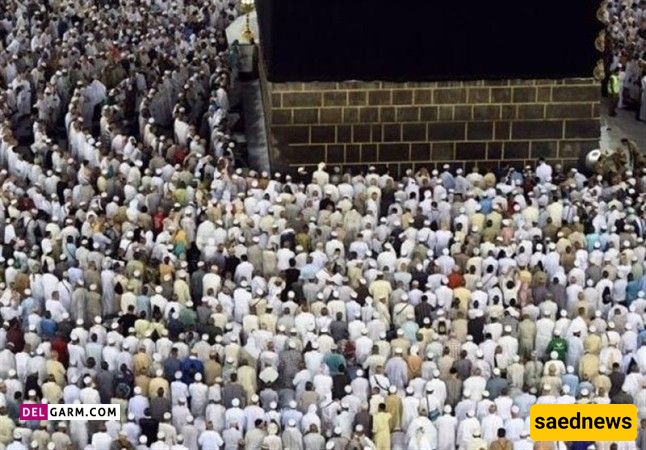
After every obligatory Tawaf, two rak‘ahs of Tawaf Prayer must be performed in the same general manner as the Fajr prayer. Men are not required to recite the Surah al-Hamd and the additional surah aloud.
The intention should correspond to the Tawaf that has just been completed. For example:
After Tawaf al-Ziyarat: the intention of performing the Tawaf Prayer of Tawaf al-Ziyarat
After Tawaf al-Nisa: the intention of performing the Tawaf Prayer of Tawaf al-Nisa
The prayer should not be unnecessarily delayed after completing Tawaf.
It is recommended to recite Surah al-Tawhid (al-Ikhlas) in the first rak‘ah and Surah al-Kafirun in the second rak‘ah.
Since the Tawaf Prayer is a two-rak‘ah obligatory prayer, doubts concerning it are treated similarly to doubts concerning the Fajr prayer.
Doubt about the number of rak‘ahs: If a person becomes uncertain about whether they have performed one or two rak‘ahs, the prayer is invalid and must be performed again.
Doubt about a part of the prayer: If a person doubts whether they have performed something such as a prostration or tashahhud, the ruling depends on whether they have already moved beyond its proper place.
If they have not yet moved on to the next part, they should perform the doubtful part.
If they have already passed its proper place, they should disregard the doubt and continue the prayer.
If the doubt concerns whether a completed part was performed correctly, the doubt is disregarded and the prayer remains valid.
Doubt after completing the prayer: If a doubt arises after the Tawaf Prayer has been completed, it should be disregarded, and the prayer is considered sufficient.
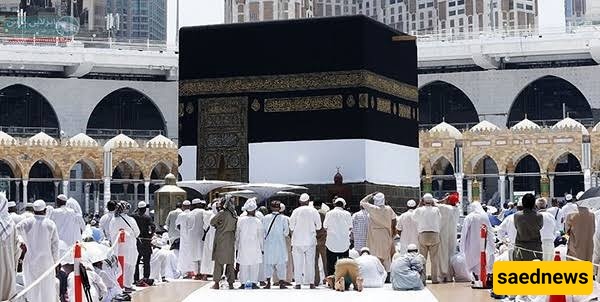
As a precaution, the Tawaf Prayer should be performed immediately after Tawaf, meaning there should not be an undue interval between the two according to common practice.
Performing the Tawaf Prayer in congregation is permissible, and a person may follow another person who is also performing an obligatory Tawaf Prayer.
If a pilgrim knowingly and deliberately abandons the obligatory Tawaf Prayer, there is a precautionary ruling that their Hajj may become invalid.
If someone forgets the Tawaf Prayer and remembers it after performing a later ritual, such as Sa‘i, they should perform the prayer. Repeating the subsequent rituals is not obligatory, although doing so as a precaution is recommended.
If the person remembers the prayer while performing Sa‘i, they should stop the Sa‘i, perform the Tawaf Prayer behind Maqam Ibrahim, then return and continue the Sa‘i from the point where they stopped.
The same ruling generally applies when the person was unaware of the relevant religious ruling. The ruling does not differ based on whether the person was at fault for not knowing it.
According to the ruling attributed to Ayatollah Bahjat, if someone performed the Tawaf Prayer somewhere other than the designated place because they did not know the ruling, they should perform the prayer near Maqam Ibrahim if possible. If this is no longer possible—for example, if they have already returned home—they should perform the prayer wherever they are and, as a precaution, appoint someone to perform the prayer on their behalf near Maqam Ibrahim.