SAEDNEWS: Stevia is a natural, zero-calorie sweetener, but its lingering bitterness can be disappointing for many people. In this guide, we explore the scientific reasons behind stevia’s bitter aftertaste.
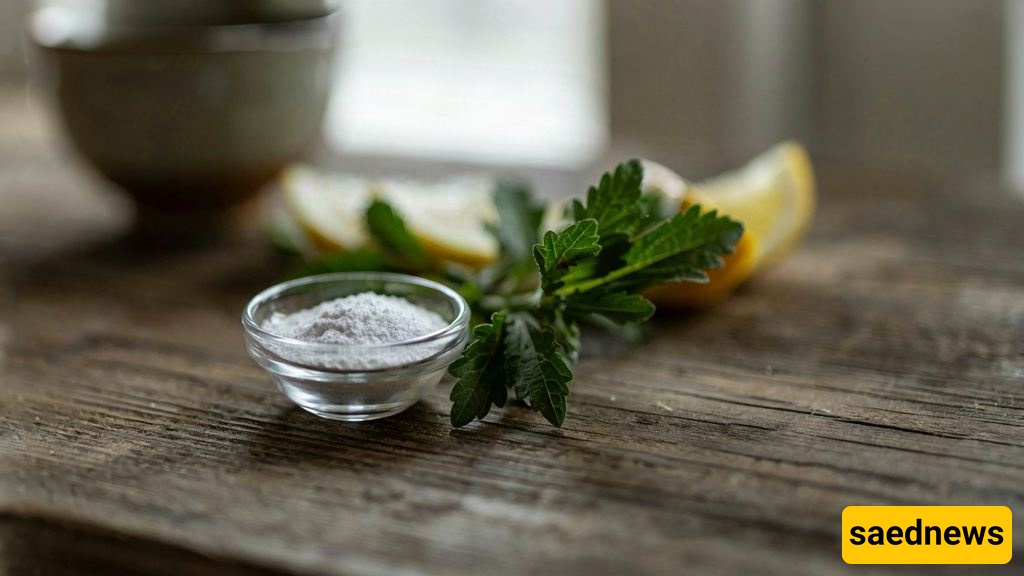
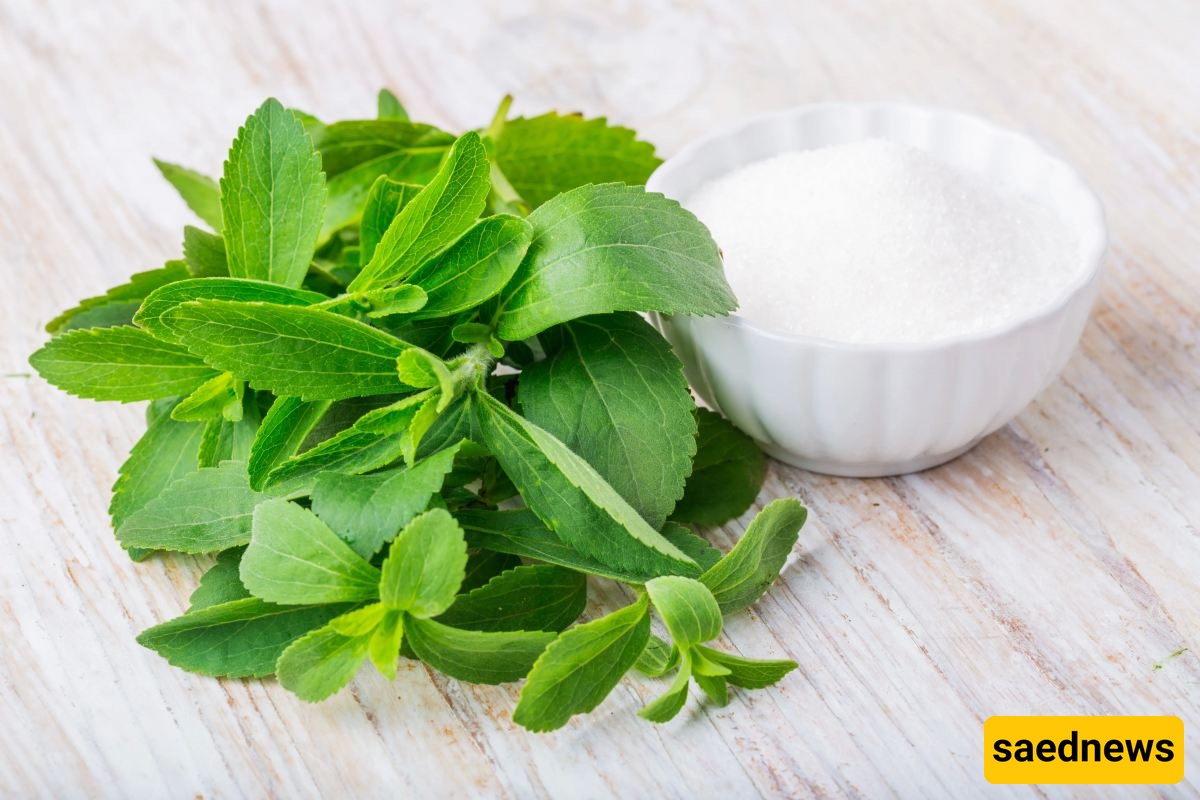
According to Saednews, Stevia is now one of the best-known natural sweeteners in the world. Native to Paraguay, the plant produces an extract that is approximately 200 to 300 times sweeter than ordinary sugar while containing almost no calories. These properties have made stevia highly popular in the food and beverage industries, as well as in the market for low-calorie and diet products.
However, almost everyone who has tried stevia has encountered a common problem: a bitter, lingering aftertaste that can resemble licorice or beans and remains on the tongue for several seconds after consumption.
If you use stevia at home and find its bitterness unpleasant, try the following methods, starting with the most effective:
The simplest and most important solution is to reduce the amount of stevia you use. Because stevia is hundreds of times sweeter than sugar, many people mistakenly compare the amount of stevia they need with the amount of sugar they would normally use and end up adding too much.
As a general rule, replace one teaspoon of sugar with a very small amount of stevia—around the tip of a teaspoon or even less—and then gradually adjust the amount to taste. Stevia's bitterness tends to become significantly more noticeable as the amount increases.
Combining stevia with other sweeteners is one of the most effective ways to reduce its bitter aftertaste. Erythritol, xylitol, and maltitol can help mask the bitterness, while small amounts of honey or maple syrup can also improve the flavor.
In commercial products, Reb A is commonly blended with erythritol, sometimes at ratios of 1:100 or higher. At home, mixing stevia with erythritol can produce a taste much closer to that of regular sugar.
Certain natural ingredients can help mask bitter flavors or shift the palate's perception away from them. Some of the most useful options include:
Vanilla: Very effective at masking stevia's bitterness in desserts and hot drinks.
Cinnamon: Adding cinnamon and stevia to tea or coffee can noticeably reduce the bitter taste.
Lemon and citrus: The citric acid in lemon may reduce the perception of bitterness.
Salt: A very small amount of salt can help suppress bitterness and balance the overall flavor.
Milk and cream: The fat in dairy products can reduce the perception of certain bitter compounds.
Research suggests that stevia's bitterness can be more noticeable at lower temperatures. If you use stevia in a cold drink such as a smoothie or fruit juice, you may notice more of its bitter aftertaste.
In hot beverages, the bitterness is often less pronounced. For cold drinks, consider using a smaller amount of stevia or combining it with another sweetener.
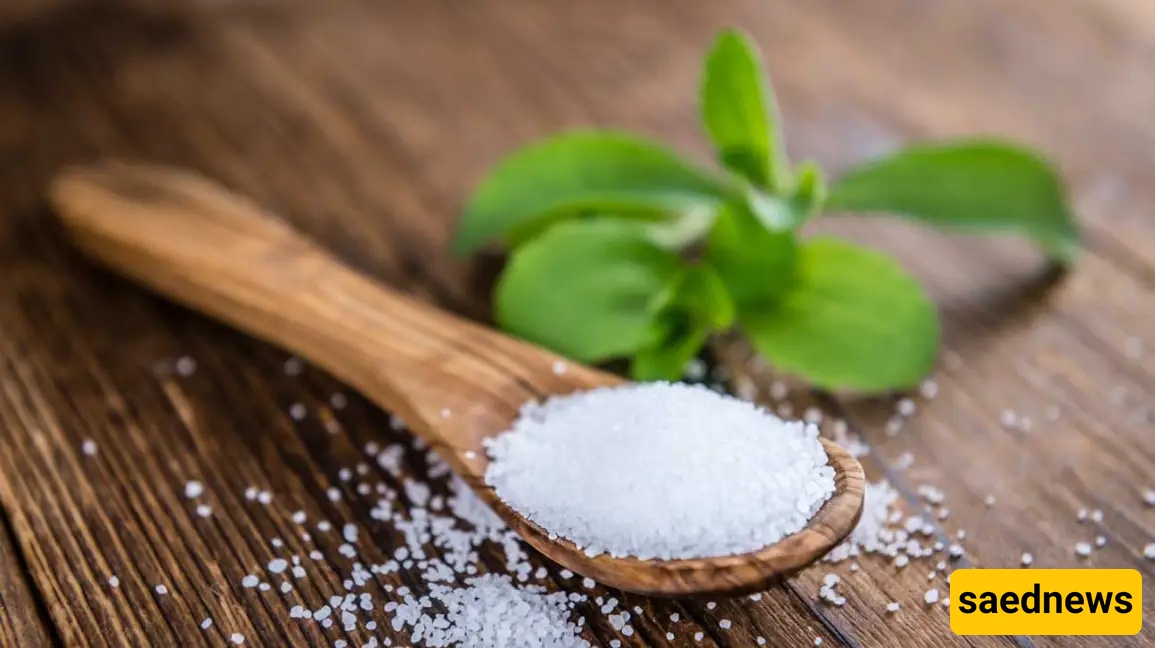
Liquid stevia can sometimes provide a smoother flavor than powdered products, depending on the formulation. Some liquid products also contain ingredients that help mask the aftertaste.
By comparison, powdered stevia products often contain bulking agents such as maltodextrin or dextrose. These ingredients increase the product's volume and can sometimes affect its flavor.
For beverages, liquid stevia may therefore be a more convenient choice.
The best way to reduce stevia's bitterness is usually to use less of it and combine it with another sweetener or complementary flavor. Vanilla, cinnamon, citrus, a tiny amount of salt, and dairy can also help balance its distinctive aftertaste. Choosing a well-formulated liquid stevia product may further improve the overall flavor.