SAEDNEWS: In this article, we scientifically examine the best herbal teas for lowering cholesterol, focusing on their mechanisms of action, optimal timing of consumption, and potential drug interactions.
According to Saednews citing the World Health Organization (WHO), cardiovascular disease remains the leading cause of death worldwide. High blood lipid levels, or hyperlipidemia, are a silent risk factor that puts millions of people at risk each year.
In recent decades, interest in complementary and herbal treatments has grown significantly because of their perceived lower risk of side effects and holistic approach. But despite widespread claims, an important question remains: Which herbal teas are actually supported by scientific evidence and may help reduce cholesterol and triglyceride levels?
This article takes an evidence-based look at several herbal options, examining their potential mechanisms of action, appropriate timing, and possible drug interactions.
Before choosing a tea for high cholesterol, it is important to understand which blood lipids are being targeted. Blood lipids mainly include cholesterol and triglycerides.
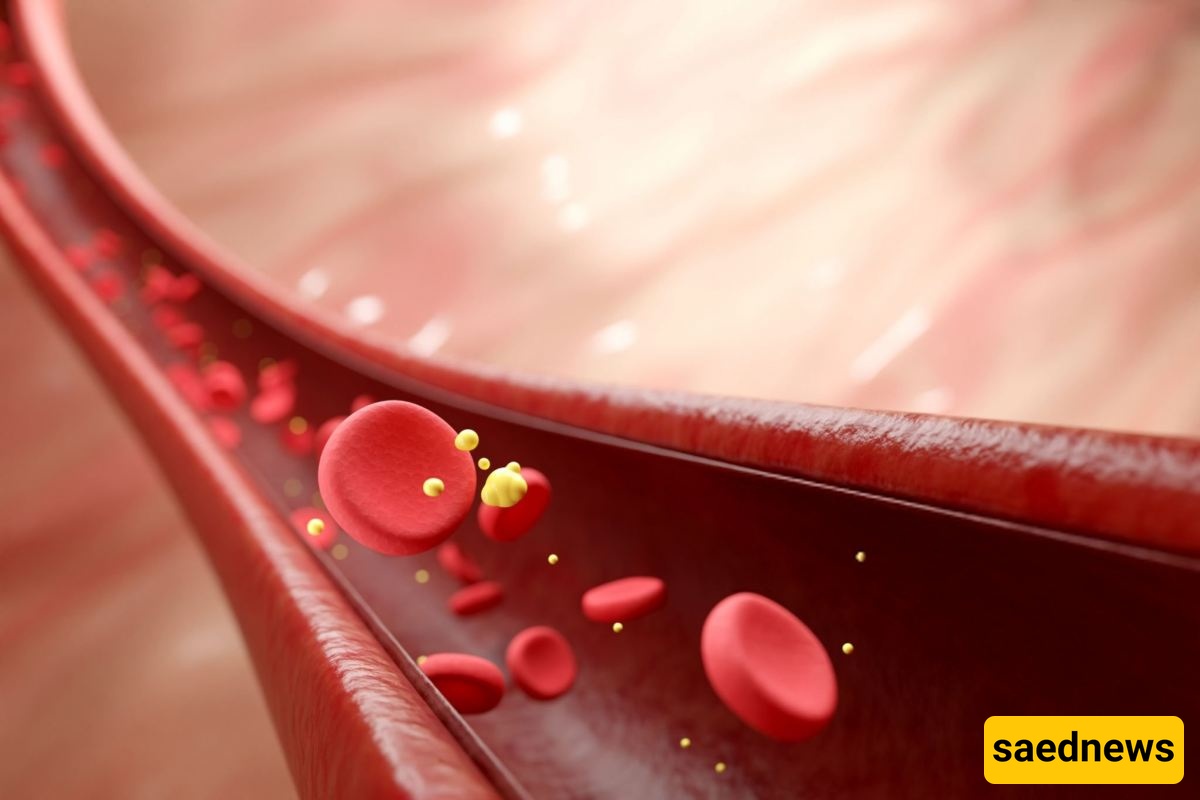
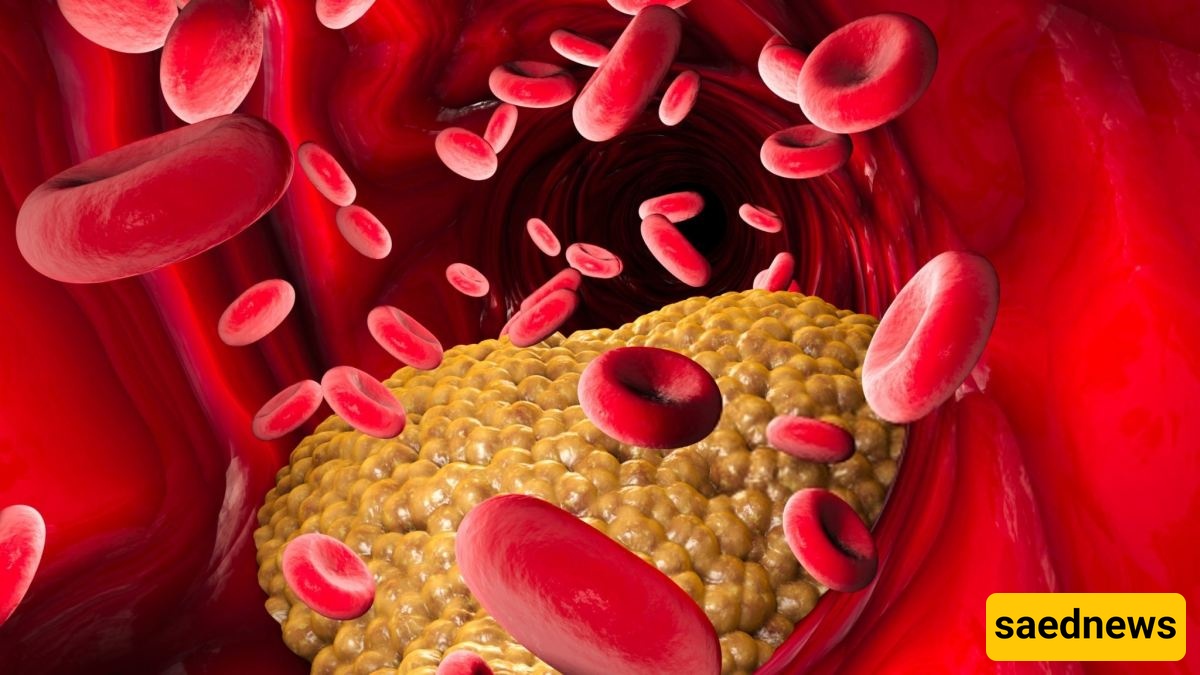
Cholesterol is transported through the bloodstream by lipoproteins. Low-density lipoprotein (LDL), commonly known as “bad cholesterol,” can contribute to the buildup of plaque in artery walls.
High-density lipoprotein (HDL), often called “good cholesterol,” helps transport excess cholesterol from tissues back to the liver for removal. Triglycerides are another type of fat that the body stores and uses as an energy source.
High LDL and triglyceride levels, particularly when accompanied by low HDL, can contribute to atherosclerosis. This process can restrict blood flow and increase the risk of heart attack, stroke, and peripheral artery disease.
These factors are generally assessed through a lipid profile blood test.

Herbal teas do not all work in the same way. Different plants contain bioactive compounds such as polyphenols, flavonoids, and catechins that may influence lipid metabolism through several pathways.
Some polyphenolic compounds may reduce intestinal cholesterol absorption and increase the elimination of bile acids. As a result, the liver may use more cholesterol from the bloodstream to produce new bile acids.
Some plant compounds have also been investigated for their potential effects on HMG-CoA reductase, an enzyme involved in cholesterol production in the liver. Other compounds may influence LDL receptors on liver cells, potentially helping remove LDL cholesterol from the bloodstream more efficiently.
These mechanisms may help explain why different herbal preparations could have different effects depending on a person's lipid profile.
Green tea, made from the leaves of Camellia sinensis, is rich in catechins, particularly epigallocatechin gallate (EGCG).
Clinical research has investigated whether regular green tea consumption or standardized green tea extracts can modestly reduce LDL and total cholesterol levels. Some studies have also reported stronger effects in people with metabolic syndrome than in healthy individuals.
Green tea's antioxidant compounds may also help reduce oxidative stress and limit LDL oxidation, a process associated with cardiovascular risk.
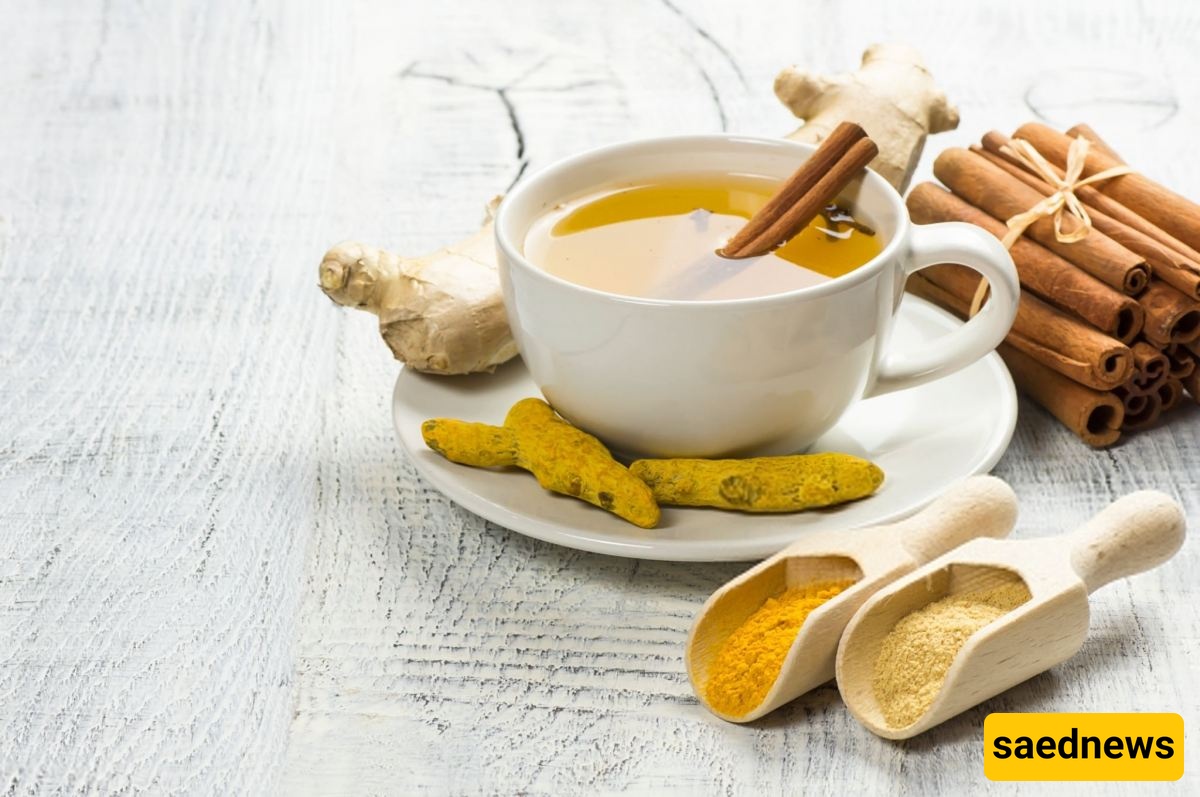
Ginger and cinnamon are widely used in traditional medicine and have both been investigated for their potential effects on lipid metabolism.
Ginger contains compounds such as gingerols and shogaols. Clinical studies have examined its possible effects on triglycerides and total cholesterol.
Cinnamon contains cinnamaldehyde and polyphenolic compounds and has been studied for its potential effects on insulin sensitivity and glucose metabolism.
Combining ginger and cinnamon may therefore be of interest to people who have both abnormal blood lipids and impaired glucose regulation, although the strength of the evidence varies between studies.
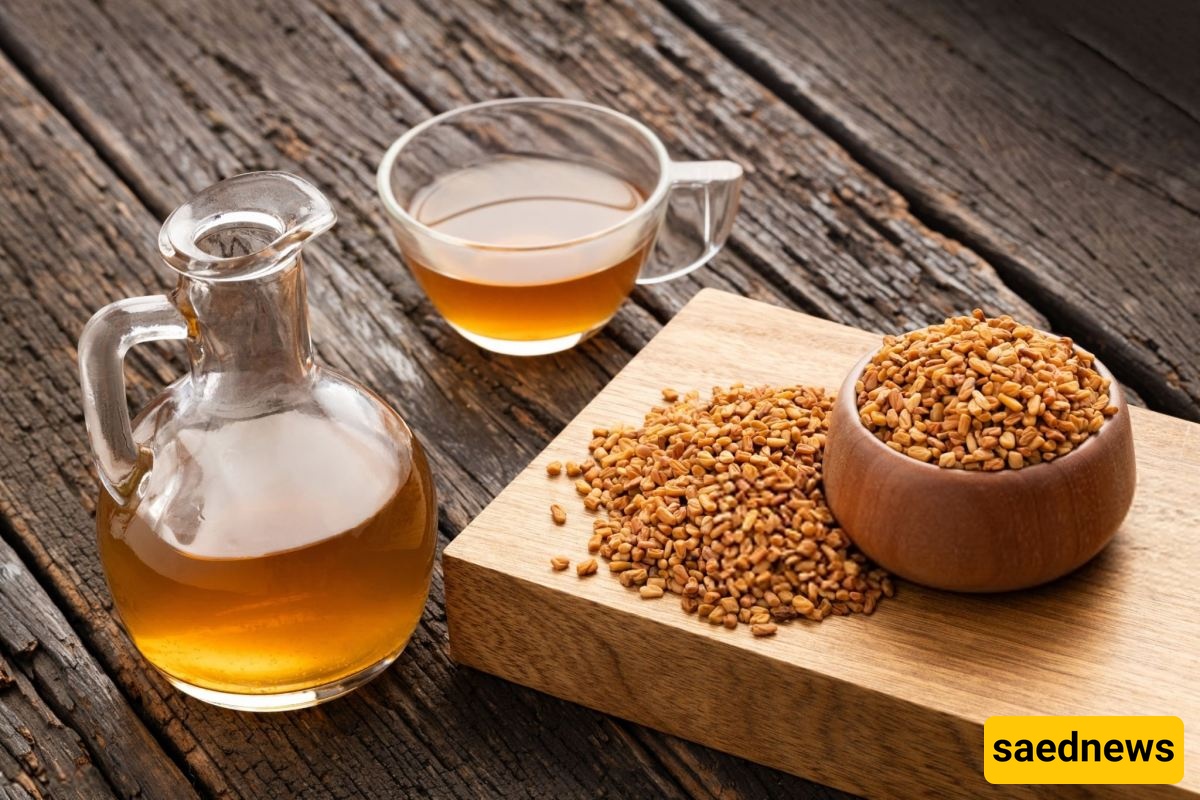
Fenugreek (Trigonella foenum-graecum) contains soluble fibers, including galactomannan, as well as steroidal saponins.
Its proposed lipid-lowering mechanism involves the formation of a gel-like substance in the digestive tract that may bind bile acids and reduce their reabsorption. This can increase the elimination of cholesterol through the stool.
Clinical studies have reported reductions in total cholesterol, LDL cholesterol, and triglycerides following fenugreek consumption, although study designs and doses have varied.
Fenugreek tea can have a bitter taste, and some people add a small amount of cinnamon or honey for flavor.
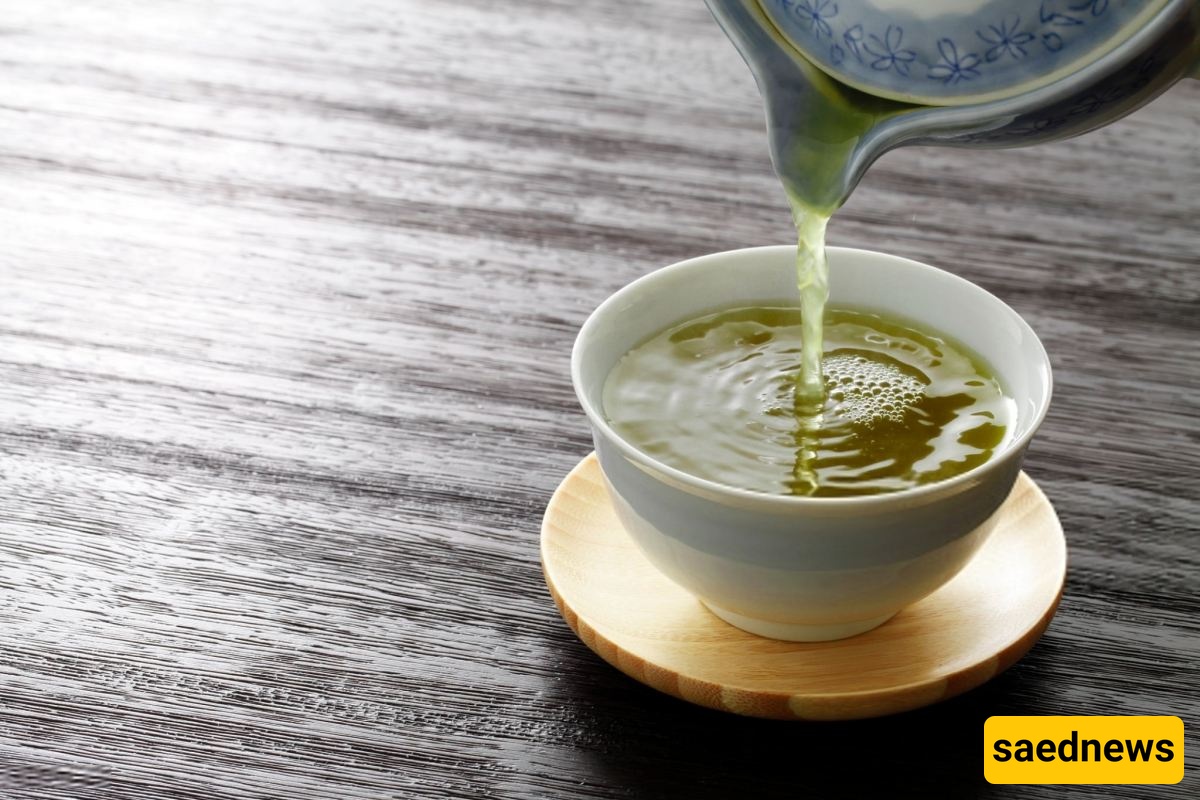
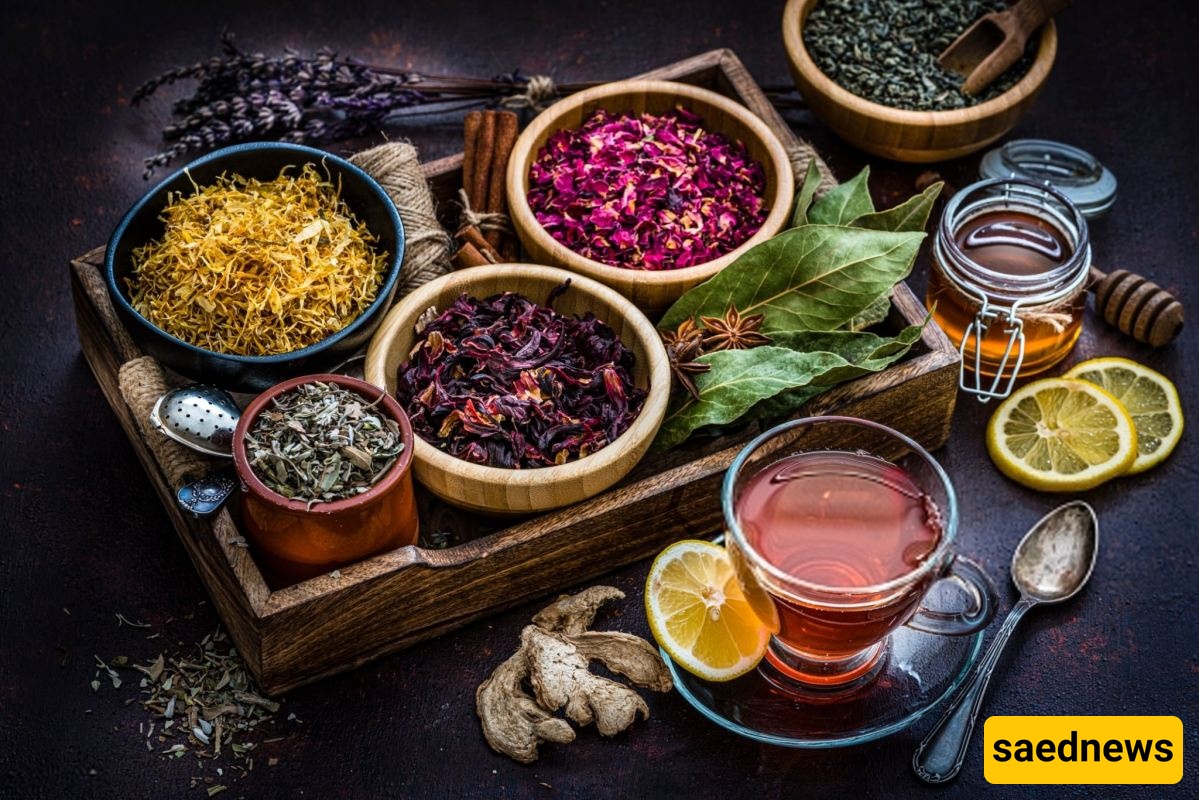
Hibiscus tea is prepared from the dried calyces of Hibiscus sabdariffa. Its red color and tart flavor make it a popular herbal beverage.
Hibiscus contains anthocyanins and organic acids that have been studied for their potential effects on blood pressure and lipid metabolism.
Some clinical research suggests that regular hibiscus consumption may help reduce total cholesterol and may influence HDL levels. It may also have antioxidant effects and support vascular function.
The choice of herbal tea depends partly on the specific lipid abnormality:
High LDL cholesterol: Green tea and fenugreek have been studied for their potential effects on cholesterol absorption and elimination.
High triglycerides: Ginger, including combinations with cinnamon, has been investigated for possible effects on triglyceride and glucose metabolism.
Low HDL cholesterol: Hibiscus and green tea have been studied for their potential effects on lipid profiles and antioxidant status.
Metabolic syndrome and high blood pressure: Hibiscus and ginger may be of interest because both have been investigated for metabolic and cardiovascular effects.
However, these beverages should be viewed as supportive dietary measures rather than substitutes for proven medical treatment.
Herbal tea | Commonly studied use | Key consideration |
|---|---|---|
Green tea | LDL and total cholesterol | Contains caffeine; concentrated extracts may have different safety considerations |
Hibiscus tea | Blood pressure and lipid profile | May lower blood pressure |
Fenugreek tea | LDL and triglycerides | Can have a bitter taste and may affect blood sugar |
Ginger and cinnamon tea | Triglycerides and glucose metabolism | May interact with certain medications |
Peppermint tea | Digestion and general dietary support | Not established as a primary treatment for high cholesterol |
Although herbal teas are natural products, they are not automatically free of risks or drug interactions.
Green tea and concentrated green tea products may interact with certain medications, including warfarin. Ginger may have antiplatelet effects and should be discussed with a healthcare professional if you take blood-thinning or antiplatelet medication.
Hibiscus may lower blood pressure and could have additive effects when combined with blood-pressure-lowering medications.
The appropriate timing of consumption also depends on the specific product and its intended use. There is not strong evidence that drinking every herbal tea 30 minutes before meals reliably produces a clinically meaningful reduction in fat absorption. Therefore, timing should not be treated as a substitute for dietary changes or medical treatment.
No herbal tea can replace cholesterol-lowering medication when medication is medically indicated. However, as part of a broader lifestyle strategy—including a heart-healthy diet, regular physical activity, weight management, and appropriate medical care—certain teas may provide modest additional benefits.
Green tea, hibiscus, fenugreek, ginger, and cinnamon are among the herbal beverages that have been studied for their potential effects on cholesterol, triglycerides, blood pressure, or metabolic health. The strength of evidence varies, and the effects seen in clinical studies are generally modest compared with established lipid-lowering therapies.
Managing high cholesterol is a long-term process. Rather than expecting dramatic changes within a few days, it is more appropriate to monitor lipid levels over time and discuss persistent abnormalities with a healthcare professional.
Important: If you take prescription medication or have an underlying medical condition, consult your doctor or pharmacist before regularly using herbal preparations, particularly concentrated extracts.