SAEDNEWS: In narrations, special practices have been mentioned that can play an effective role in reducing and relieving the pressure of the grave for women.
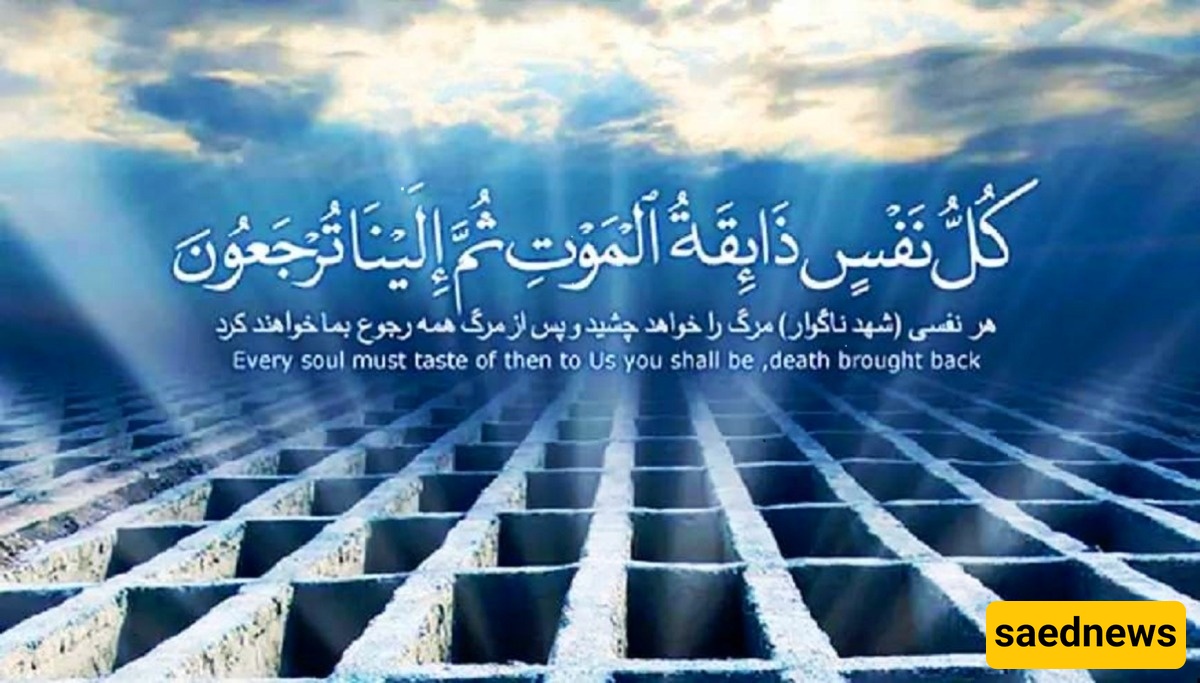
According to Saednews, Death for every human being is the beginning of a journey to another world. In our religious beliefs, “the pressure of the grave” (ʿadhāb al-qabr or qabr squeeze) is considered the first stage of this journey—a phenomenon that, according to narrations, reflects a person’s deeds and attachments in worldly life.
In this article, we will explain the meaning of the pressure of the grave, discuss the pressure of the grave for women, and also mention who is said not to experience the punishment or pressure of the grave.
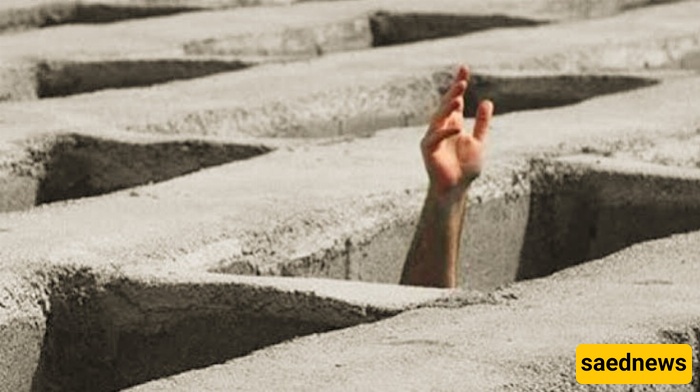
In Islamic culture, “pressure of the grave” refers to the first stage of the soul’s encounter with the consequences of its worldly deeds in the intermediate world (Barzakh). In simple terms, it is the tightness and difficulty that the body and soul experience after burial.
According to Shia narrational sources, the pressure of the grave is real. It is a Barzakh experience whose nature is not fully comprehensible in this world. Some scholars, by examining it from a scientific perspective, believe that due to the human mind’s limitations in understanding the unseen world, its details cannot be fully grasped.
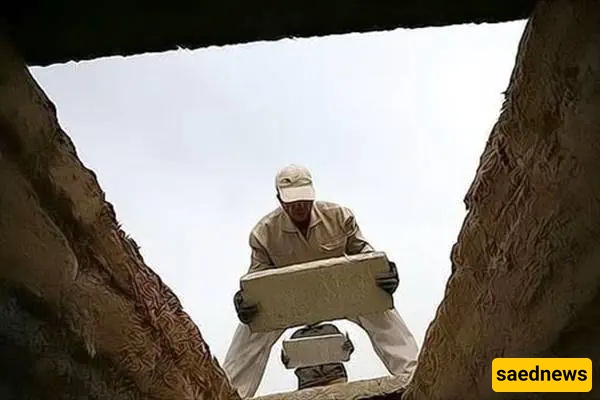
The phrase “pressure of the grave” is not explicitly mentioned in the Qur’an, but some verses are interpreted as evidence for it.
For example, in Surah Ghafir (40:11), it is stated:
“They said: Our Lord, You have caused us to die twice and given us life twice...”
This has been interpreted as referring to death in this world, death in the grave, and two forms of resurrection.
In Surah Abasa (80:21):
“Then He caused him to die and placed him in a grave.”
And in Surah Fatir (35:22):
“Allah will resurrect those who are in the graves.”
The duration of the punishment or pressure of the grave varies for each person depending on their sins. It may last from an instant to a night, a day, or even longer. The exact nature and duration are among the unseen matters and cannot be measured by earthly time standards.
According to narrations, the causes are related to a person’s actions and character in life. These include:
Bad character
Neglecting نماز (prayer)
Wasting God’s blessings
Backbiting
Not helping the oppressed
Performing prayer without proper purification
Displeasing parents
Slander
Lying
Neglecting cleanliness
It is generally stated that most people experience it, but its nature differs. For righteous people, it is like a brief purification or even gentle embrace, while for sinners it becomes a more difficult stage of Barzakh.
According to some narrations attributed to Imam Sadiq (AS), certain groups of women are promised exemption from the punishment of the grave and will be resurrected with Lady Fatimah (SA). They include women who:
Endure jealousy or possessiveness of their husbands
Show patience with bad-tempered husbands
Forgive their dowry (mahr) to their husbands
Similar narrations exist in other Islamic sources as well.
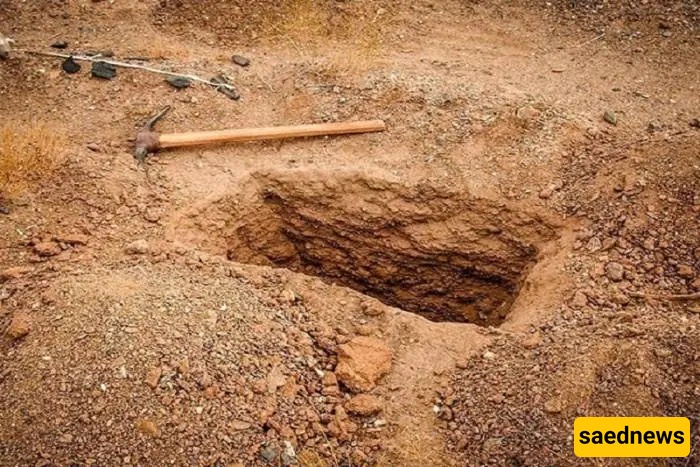
Some narrations mention exceptions:
A believer who dies on Friday with knowledge of the Ahl al-Bayt is protected from punishment
Martyrs are exempt from the trial of the grave
Some sins such as backbiting, impurity, and neglecting family are cited as causes of punishment; avoiding them is considered protection
The Prophet Muhammad (PBUH) also regularly sought refuge from the punishment of the grave in his prayers.

It is mentioned that people who avoid major sins such as lying, backbiting, and injustice, and who follow the path of faith, are among those protected from its severity.
Islamic teachings mention several recommended deeds:
Reciting specific Surahs of the Qur’an (such as Surah Al-Mulk and Surah Yasin)
Giving charity (sadaqah)
Performing funeral prayers
Sending blessings upon the Prophet (salawat)
Night prayers (Tahajjud)
Frequent prostration (sujood)
Visiting the sick
Helping others and feeding the needy
Fasting voluntarily
Maintaining mosques and respecting believers
Many videos and so-called “Barzakh films” circulating on social media are fictional reconstructions or unverified stories. There is no authentic visual documentation of the unseen world of Barzakh.
In Islamic belief, the pressure of the grave is a transitional stage between death and resurrection, deeply connected to a person’s deeds in this world. Its exact nature remains part of the unseen, known only to God.