SAEDNEWS: Qazvin is a city that attracts many tourists due to its beautiful historical sites, but that is not all. Qazvin is also known as a hub for a wide variety of souvenirs.
According to Saednews, According to Iranian historical documents, during the Sasanian era, the beautiful city of Qazvin was referred to by the kings of that time as the province of “Keshvin.” The name is said to mean a city that should not be overlooked. After exploring this province and its rich heritage, it becomes clear that this description is remarkably fitting. Qazvin holds a highly important position in Iranian culture and art.
Qazvin Province is home to approximately 7,500 handicraft producers who, through their skill, creativity, and artistic passion, strive to preserve the region's cultural heritage and beauty. Their work also plays an important role in maintaining the history and traditions of Iranian culture.
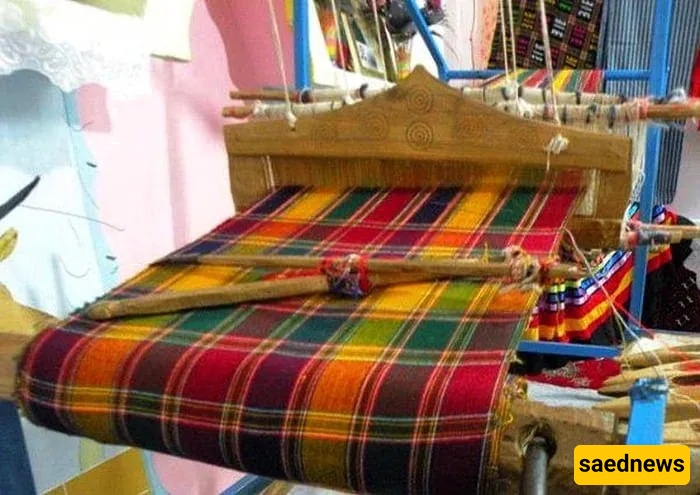
Chador Shab weaving is a form of traditional textile production that is especially common in the Alamut region near Qazvin. Chador Shab fabrics are woven in plain or colorful designs, often featuring checked or striped patterns, primarily using cotton.
Today, this craft is used to produce various items, including bedspreads, tablecloths, sofa covers, cushions, and other decorative textiles for local residents and visitors.
Qazvin carpets are considered among the finest examples of Iranian carpet weaving. Unfortunately, this traditional craft has gradually declined, and only a limited number of historic Qazvin carpets can now be found in private collections and museums. One of their most distinctive characteristics is the rich variety of patterns, designs, and colors.
Nam Nam embroidery is another delicate handicraft of Qazvin Province that requires great precision and patience. In this art, very small beads—known as monjough—are used to decorate and create various objects, including scissor cases, kohl containers, money bags, comb holders, seal cases, and similar accessories.
Moj is a type of traditional handwoven textile that is still produced in some parts of Qazvin. However, like many other traditional crafts, its popularity has declined with the widespread availability of inexpensive, factory-made products.
The loom used for Moj weaving can produce thick fabrics for blankets, curtains, rugs, and sheets, as well as finer textiles suitable for clothing.
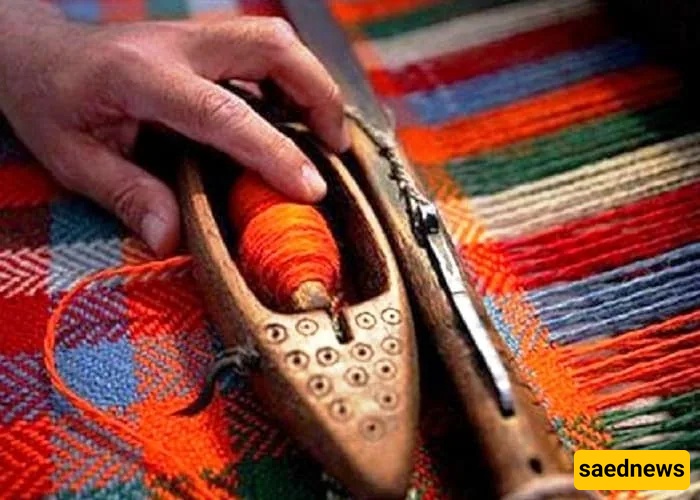
Jajim weaving has a relatively long history and was once common in many villages throughout Qazvin Province. Over time, however, many workshops disappeared from the production cycle.
Traditionally, Jajims were woven from wool, mainly by rural women. Today, colorful yarns are also commonly used. Villagers often set up Jajim looms inside their homes during autumn and winter, while nomadic communities traditionally practice the craft outdoors from late winter into early spring.
Golabatoon embroidery has long been popular among both middle-class and wealthy families. In the past, when young women were preparing for marriage, personal items included in their bridal trousseau—such as comb cases, cosmetic boxes, seal holders, and purses—were often decorated with this elegant embroidery.
This art is similar to needlework, but instead of ordinary thread, artists use extremely fine gold- or brass-colored metallic wires.
In the distant past, decorative ribbons known as Pan were woven from silk threads. Today, nylon threads are more commonly used. These ribbons feature a variety of traditional patterns, including designs known as the nightingale's eye, twenty-nine petals, forty branches, rooster's eye, twenty-eight petals, eight petals, spiral, and other motifs.
Decorative ribbon weaving was once particularly common in the Rudbar-e Alamut region.
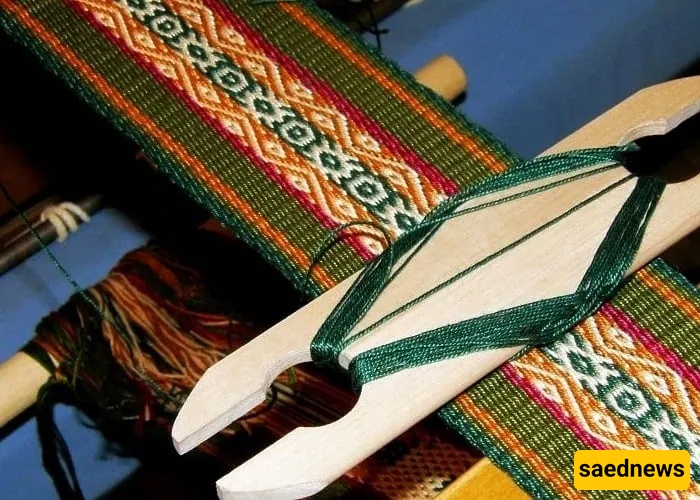
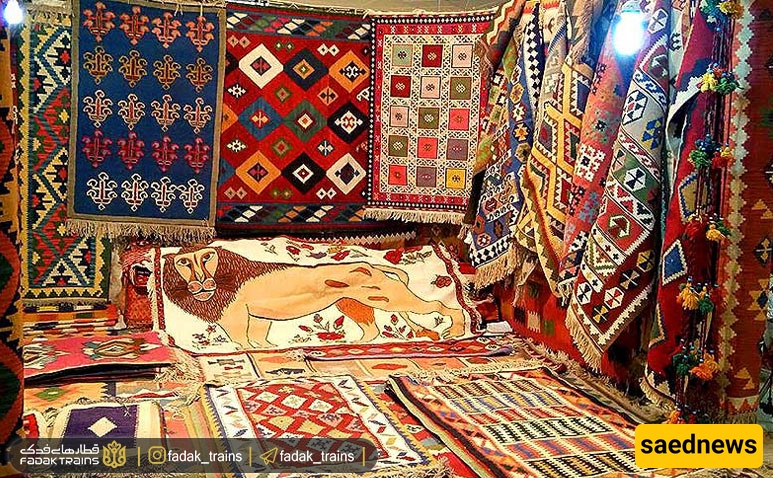
Kilim weaving is practiced in almost all villages of Qazvin Province and is one of the region's best-known traditional crafts. Important weaving centers include Rudbar County, Rudbar-e Alamut, Ziaabad, and Ardagh.
Metal openwork is one of Qazvin's traditional artistic techniques and can be considered a form of decorative metal engraving. Artists create patterns and designs on metal surfaces and then carefully cut out sections using fine saws or sharp tools.
This technique can be seen in decorative mirrors, candlesticks, and various metal vessels.
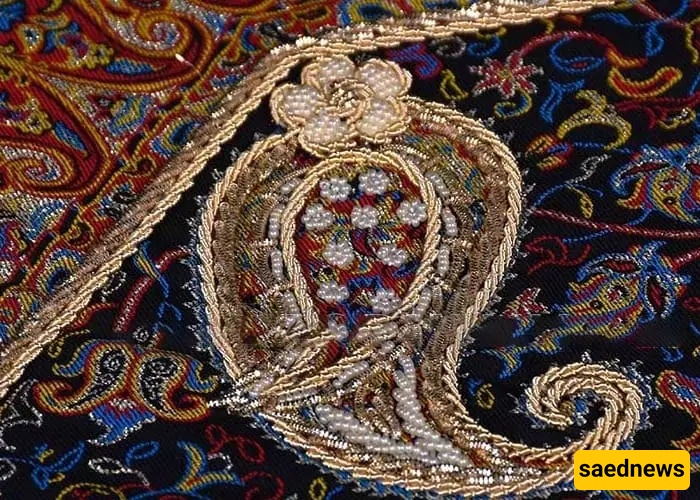
Sermeh embroidery is a decorative form of needlework traditionally applied to velvet or termeh fabric. It gives textiles a distinctive and elegant shine.
This craft is among the famous handicrafts of Qazvin Province, and visitors often purchase Sermeh-embroidered objects, clothing, and fabrics as souvenirs.
The cities of Qazvin and Takestan are among the centers where the traditional craft of Giveh making is practiced. Givehs produced in this province differ slightly from those made in Abadeh, Yazd, and Kermanshah, particularly in the construction of their soles, which may be made from leather or plastic.
Copper vessels have long been popular in Iran and are also traditionally associated with various uses in Persian traditional practices. Qazvin has a strong tradition of copperworking, supported by many highly skilled local artisans who produce a wide variety of copper objects and household vessels.
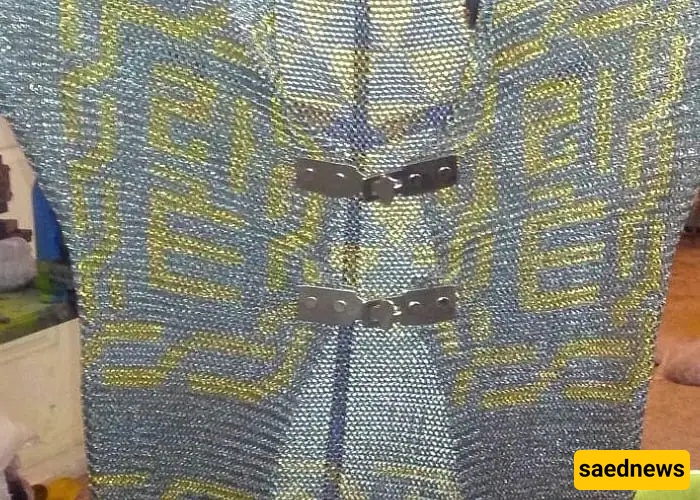
Chainmail weaving is another traditional craft of Qazvin that was particularly common in the past. Due to Qazvin's strategic geographical location and its history of experiencing numerous conflicts, local craftsmen were often required to produce armor and military equipment to help prepare the city's residents for war.
Calligraphy is one of the most important and respected forms of artistic expression in Iranian culture. Qazvin Province is considered one of Iran's major centers of calligraphy and has produced many distinguished artists throughout its history.
Woodworking and decorative wood carving are among Qazvin's finest traditional arts. This craft combines woodworking skills, design, and craftsmanship to create impressive decorative patterns and structures.
One notable example of this artistic tradition can be found in the Orsi windows of the Aminiha Hosseiniyeh, which demonstrate the exceptional skill of local artisans.
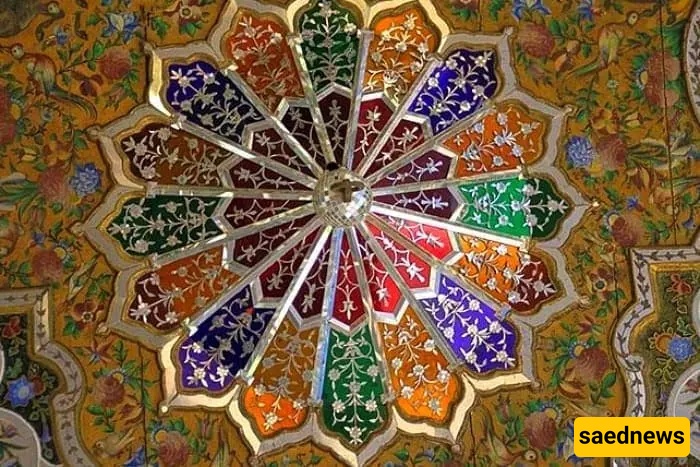
Mirror work is one of the most popular branches of Iranian decorative art. In this technique, small pieces of mirror are arranged to create intricate and visually striking designs.
The art has a long history in Iran, and it is believed that mirror work was first used in Qazvin to decorate the Divankhaneh, or royal administrative building, of Shah Tahmasp Safavid. Some of Iran's most beautiful examples of mirror decoration can also be found in historic palaces and monuments.
Among the oldest handwoven products of Qazvin Province are its traditional woolen socks. Sock knitting has historically been common throughout the province, including areas such as Abyek and Alamut.
Short socks are traditionally more common for women, while long socks have generally been worn by men.