SAEDNEWS: The order and timing of adding ingredients can have a major effect on the flavor, texture, aroma, and overall quality of a dish. Understanding when each ingredient should be added helps food cook evenly and allows different flavors to develop properly.
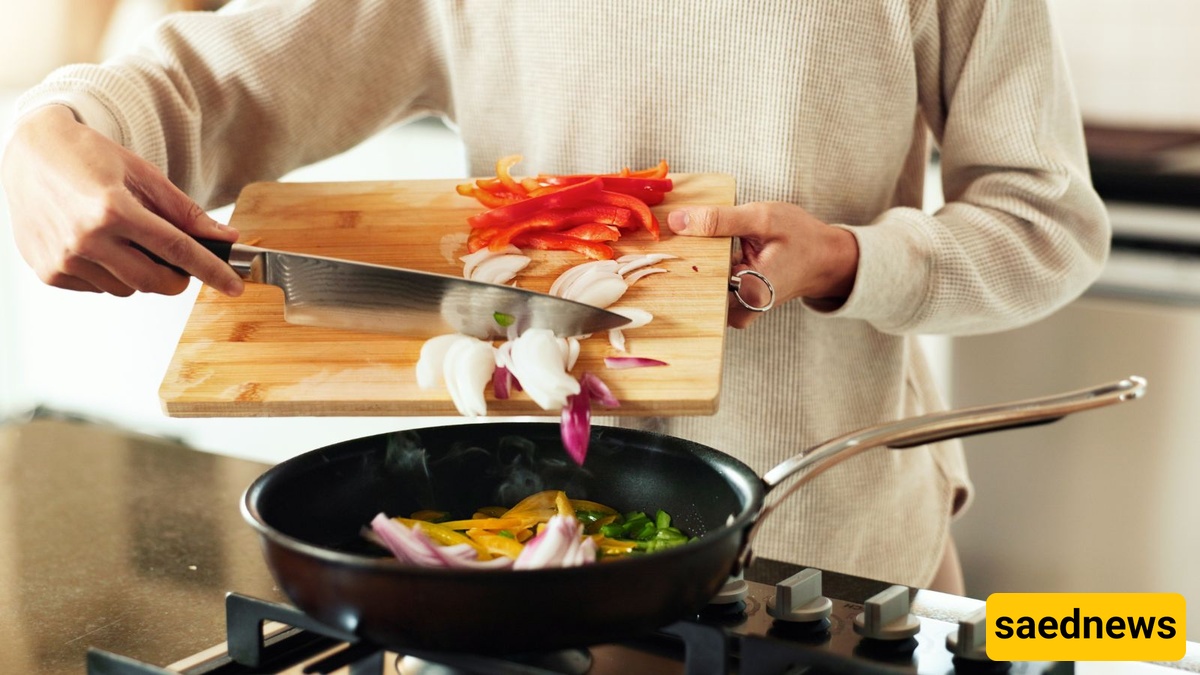
According to SAEDNEWS, adding ingredients at the appropriate stage of cooking allows their flavors to develop more effectively. Ingredients added too early may lose their natural aroma or become overcooked, while ingredients added too late may remain undercooked or fail to blend with the other flavors. Proper timing creates a more balanced final taste.
Vegetables, grains, legumes, and other ingredients do not require the same amount of time to become fully cooked. Ingredients that need longer cooking should generally be added earlier, while delicate ingredients can be introduced later. Following this principle helps prevent some components from becoming too soft while others remain firm.

The texture of a dish depends heavily on when ingredients enter the cooking process. Vegetables that are meant to retain some firmness should not necessarily be cooked for the entire duration. Similarly, ingredients that need to become tender require sufficient time. Careful timing makes it easier to achieve the desired consistency.
Certain aromatic ingredients can lose their fragrance when exposed to heat for too long. Adding them at an appropriate point can help preserve their characteristic scent and contribute more noticeably to the finished dish. Spices and fresh herbs, for example, may have different ideal timings depending on the type of dish being prepared.
Knowing when to add each ingredient does not require complicated techniques. Paying attention to cooking times, ingredient texture, and the desired flavor can make everyday cooking more predictable. Following the recipe sequence carefully and adjusting the timing when necessary can help produce dishes with better flavor, texture, and aroma.