SAEDNEWS: Across the world, some cultures honor deceased loved ones not only with mourning but also with food, music, and gatherings that transform memories into celebrations of connection.
According to SaedNews,
Death is often associated with silence and grief, but in many cultures around the world, remembering the dead is also a moment of gathering, storytelling, music, and shared meals.
From Mexico’s Día de los Muertos to ancestral traditions in parts of Asia, Africa, and Europe, communities have developed rituals where food and music become ways to maintain a connection with those who are no longer alive. These traditions do not necessarily represent a celebration of death itself; instead, they often celebrate memory, family bonds, and the continuation of cultural identity.
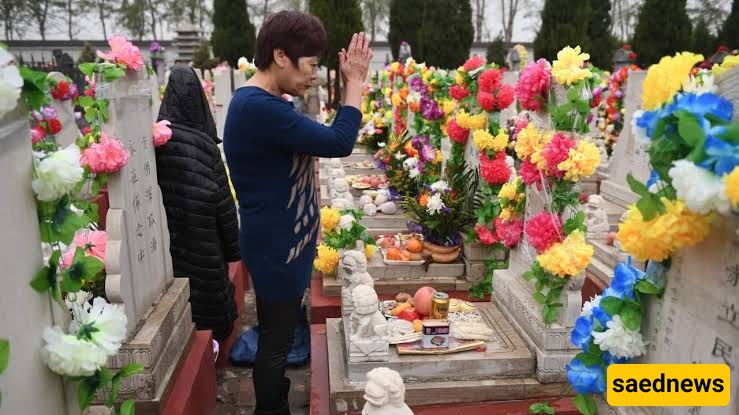
One of the most common elements in traditions honoring the dead is the offering of food.
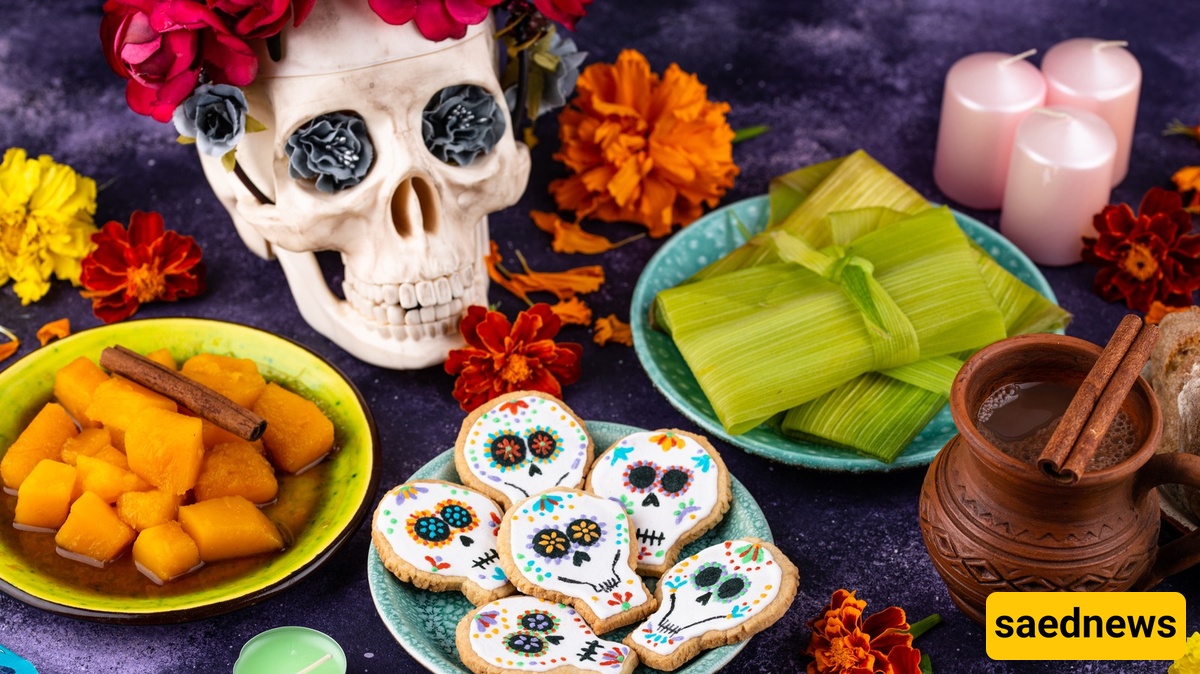
In Mexico’s Día de los Muertos, families create “ofrendas” — altars decorated with photographs, candles, flowers, and favorite foods or drinks of deceased relatives. The practice is meant to honor loved ones and keep their memories present within family life.
Traditional foods associated with the celebration include dishes prepared for family gatherings, sweets, and pan de muerto, a special bread connected with the holiday. The meal is not only an offering; it is also a way for living family members to remember stories, personalities, and moments shared with those who have passed away.
Food carries personal meaning because it connects people with ordinary moments from the past. A favorite dish can recall a grandmother’s kitchen, a family celebration, or a shared tradition that might otherwise disappear.
Music plays a similar role.
In many societies, songs are used to preserve memories, express emotions, and bring communities together. During Día de los Muertos celebrations, music and dancing are important parts of public and family gatherings, turning remembrance into an active cultural experience.
Rather than viewing remembrance as only sadness, these traditions create space for gratitude. Singing a familiar song or playing traditional music can make the presence of ancestors feel connected to the present.
Many cultures that celebrate the dead share a broader idea: death is not viewed only as an ending.
Among Indigenous traditions of Mesoamerica, including those that influenced modern Día de los Muertos practices, death has often been understood as part of a continuing cycle of life and transformation. Over time, these traditions blended with Catholic observances such as All Souls’ Day, creating the modern forms seen today.
This does not mean every culture understands death in the same way. Beliefs vary widely, but many rituals share a common purpose: keeping relationships, memories, and identities alive.
Although Día de los Muertos is one of the best-known examples, honoring the dead with food is a much broader human tradition.
In parts of Europe, historical customs connected with All Souls’ Day included preparing special foods and leaving offerings associated with remembrance. Some traditions involved “soul cakes,” foods connected with prayers for the deceased.
Across different regions, the details change, but the message remains familiar: sharing food is one of humanity’s oldest ways of expressing care and belonging.
At first glance, preparing meals and playing music for the dead may seem unusual. Yet these traditions reveal something universal about human societies.
People remember the dead through the things that shaped their lives: favorite meals, familiar songs, family stories, and shared gatherings. These rituals allow communities to transform loss into remembrance.
A meal placed on an altar, a song played in a cemetery, or a family gathering around stories from the past all serve the same purpose — reminding people that relationships can continue through memory.
The celebration is not about forgetting death. It is about recognizing the lasting impact of the people who came before.