SAEDNEWS: Khatamkari is one of the most intricate and refined forms of Iranian handicrafts. This article explores the history, production process, and various applications of this valuable and artistic craft.
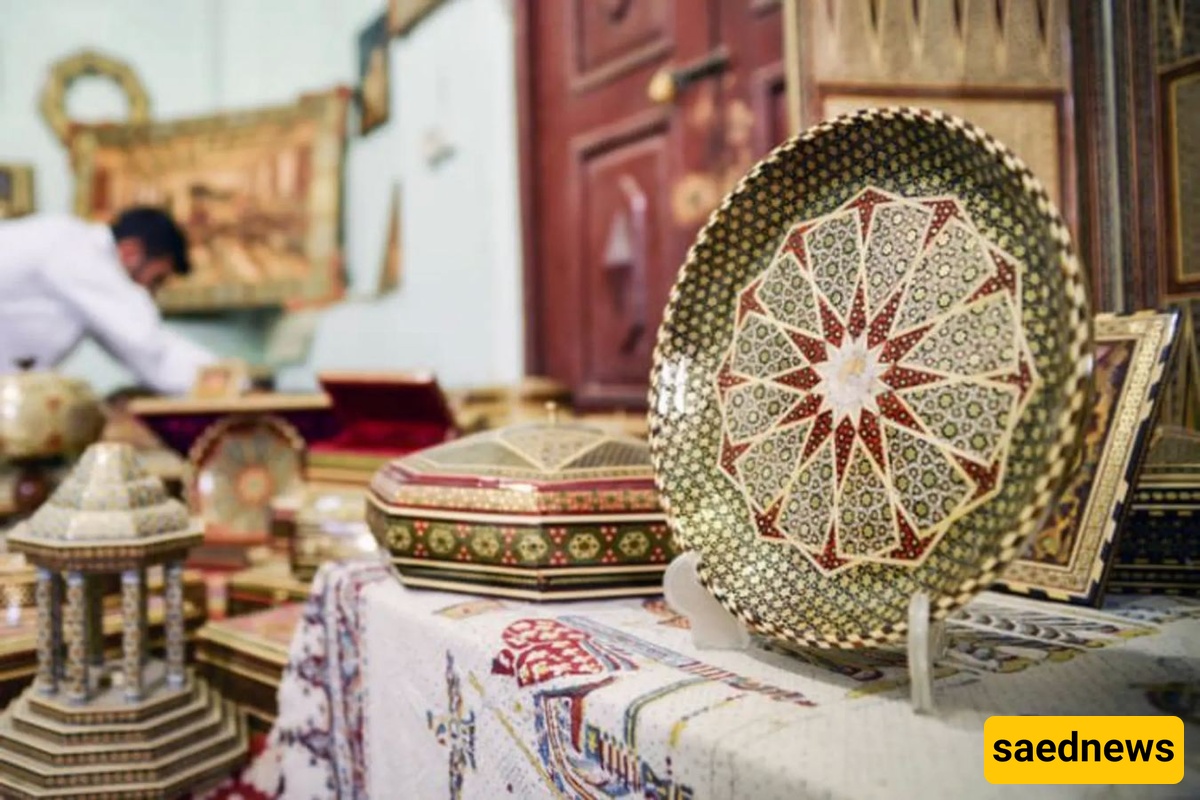
According to Saednews, Khatamkari (also spelled Khatam Kari) is one of the most distinguished and delicate traditional handicrafts of Iran. It is a decorative inlay art that uses tiny pieces of wood, bone, metal, and shell to create precise geometric patterns on various surfaces.
This ancient craft, deeply rooted in Persian civilization, represents the patience, accuracy, creativity, and artistic skill of Iranian craftsmen. Through a combination of art, mathematics, and craftsmanship, Khatamkari produces objects that are considered unique masterpieces.
This comprehensive guide explores the history, production process, types, uses, cultural importance, buying considerations, and preservation methods of Khatamkari.
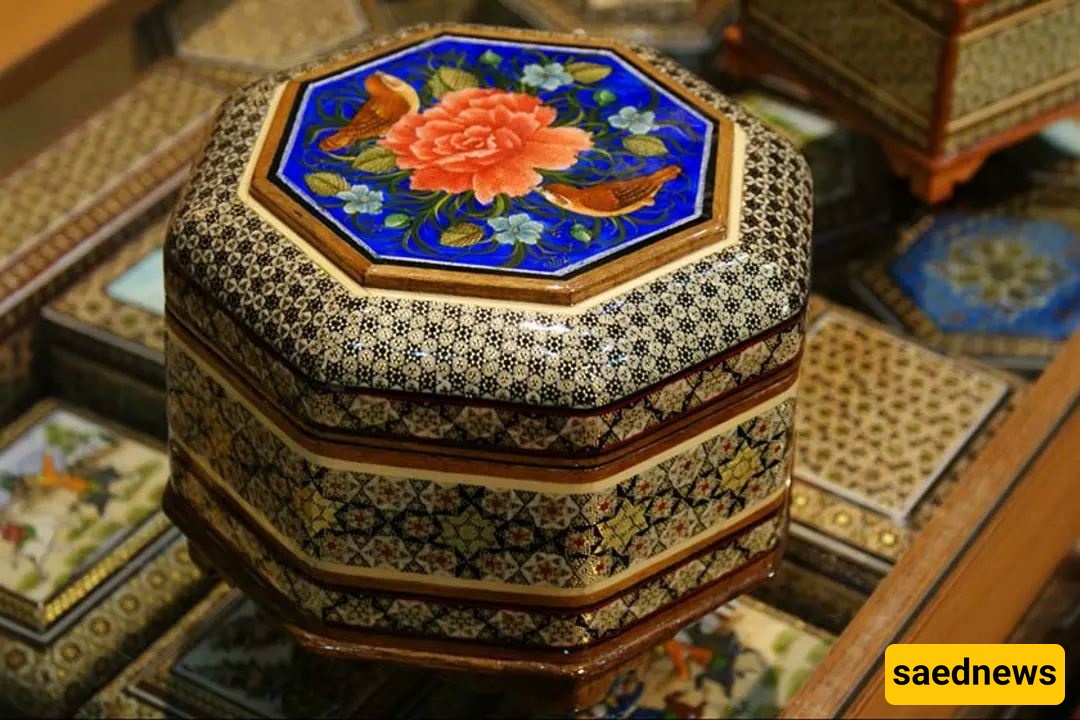
Khatamkari has its roots in the ancient civilizations of Iran. Some researchers believe that the origins of this art date back to the Achaemenid period. Evidence of similar decorative techniques can be found in historical Persian artworks, including remains associated with Persepolis.
However, Khatamkari reached its highest level of development during the Safavid era.
During the Safavid dynasty, especially under the reign of Shah Abbas I, Khatamkari experienced remarkable growth. The city of Isfahan became the main center of this art, attracting many skilled craftsmen.
During this period, Khatam designs were applied to various objects, including:
Jewelry boxes
Mirror frames
Tables and chairs
Doors of religious buildings
Decorative architectural elements
After the decline of the Safavid dynasty, Khatamkari, like many traditional arts, experienced a period of decline. However, during the Qajar and Pahlavi periods, efforts were made to revive this craft.
Today, Khatamkari remains one of Iran’s most important handicrafts, with skilled artists working mainly in cities such as Isfahan, Shiraz, Tehran, and Mashhad.
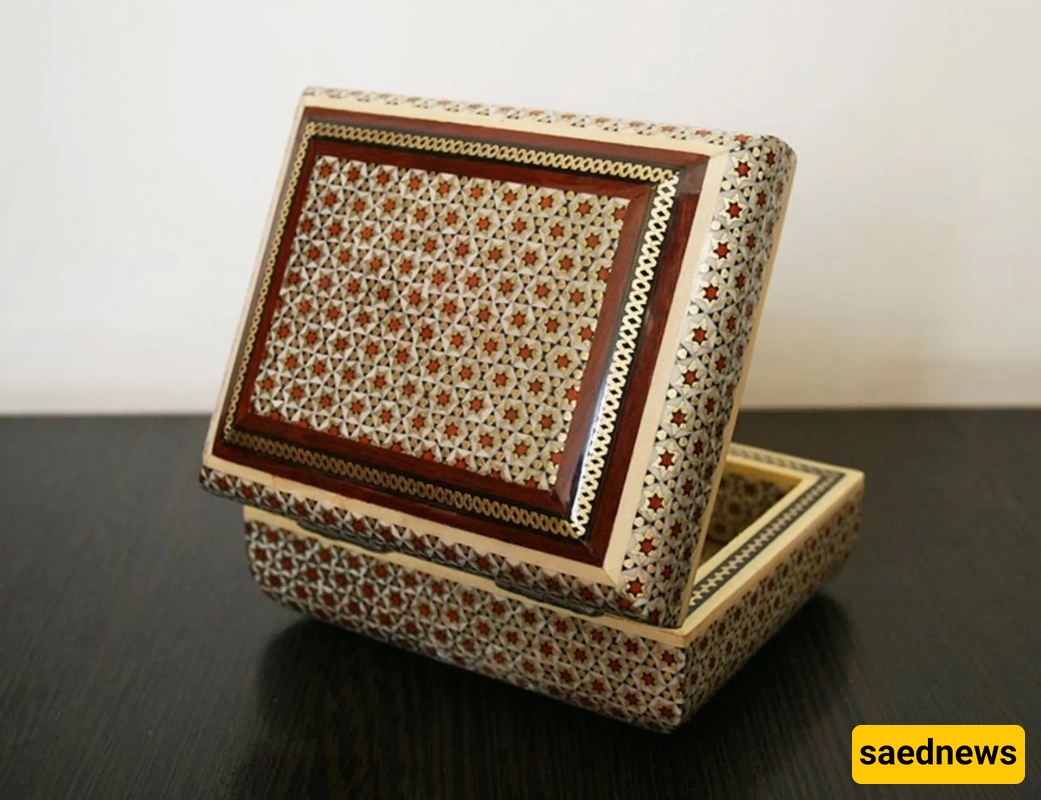
One of the unique characteristics of Khatamkari is the variety of natural materials used. Each material contributes to the beauty, color, and texture of the final design.
Commonly used woods include:
Ebony wood: A dark and durable wood used for creating black lines.
Walnut wood: Known for its dark brown color and attractive texture.
Jujube wood: Provides reddish-brown tones.
Orange wood: Creates bright yellow shades.
Betel nut wood: Used for red-colored details.
Materials include:
Camel bone: The most commonly used bone in Khatamkari.
Horse bone: Used to create bright white lines.
Elephant ivory: Rarely used today due to legal restrictions.
Different metals create contrasting decorative effects:
Brass: Produces golden-colored lines.
Silver: Creates silver-colored patterns.
Aluminum: A more affordable alternative to silver.
Shell materials add shine and elegance:
Pearl shell: Creates a reflective appearance.
Colored shells: Used for decorative effects.
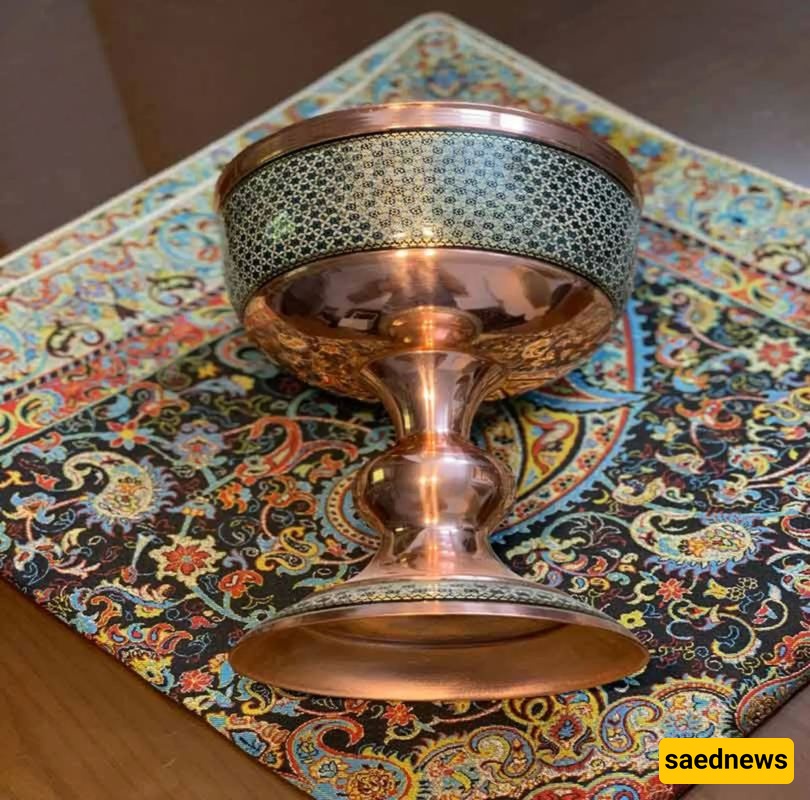
Creating a Khatamkari piece is a highly detailed and time-consuming process that requires exceptional patience and precision.
First, the desired pattern is drawn on paper. Designs usually include geometric shapes such as:
Hexagons
Octagons
Stars
Symmetrical patterns
Wood, bone, and metal pieces are cut into thin, equal strips. These strips are usually about 1 millimeter thick.
The basic structural unit of Khatamkari is called the “Khatam flower.”
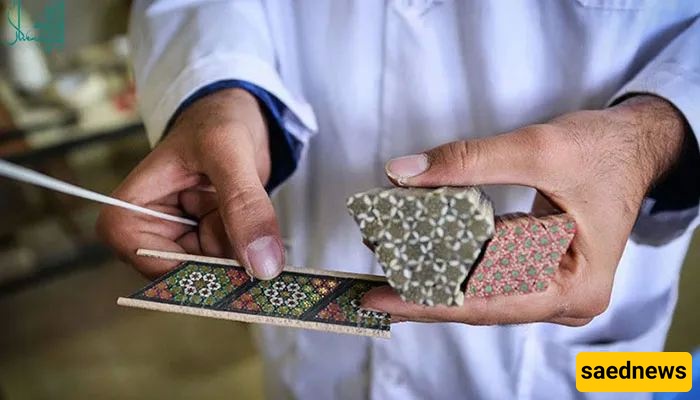
To create it, craftsmen arrange thin strips of wood, bone, and metal in precise geometric formations and glue them together.
After the assembled pieces dry, they are cut into very thin slices, usually around 1 millimeter thick.
The thin slices are carefully placed on the desired surface, such as wood or metal, and attached using special adhesives.
After installation, the surface is polished with fine sandpaper until smooth. Finally, oil or special lacquer is applied to enhance durability and shine.
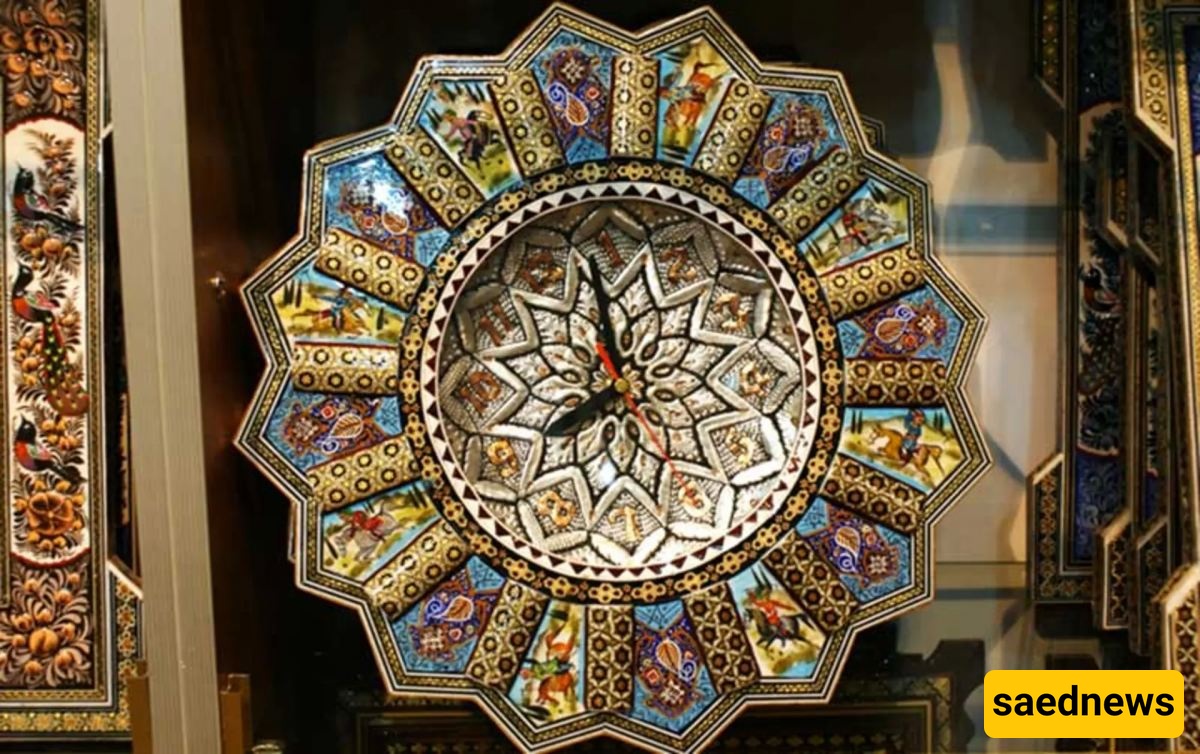
Khatamkari can be classified according to design complexity, materials, and application.
This style uses basic patterns and fewer colors. Usually, three to five colors are used.
This type includes highly detailed designs and a wider range of colors. It requires greater skill and more time.
This combines Khatamkari with traditional mosaic techniques. Designs often include:
Flowers
Natural scenes
Artistic images
In this style, some areas remain empty, allowing light to pass through. It is commonly used in:
Lampshades
Decorative windows
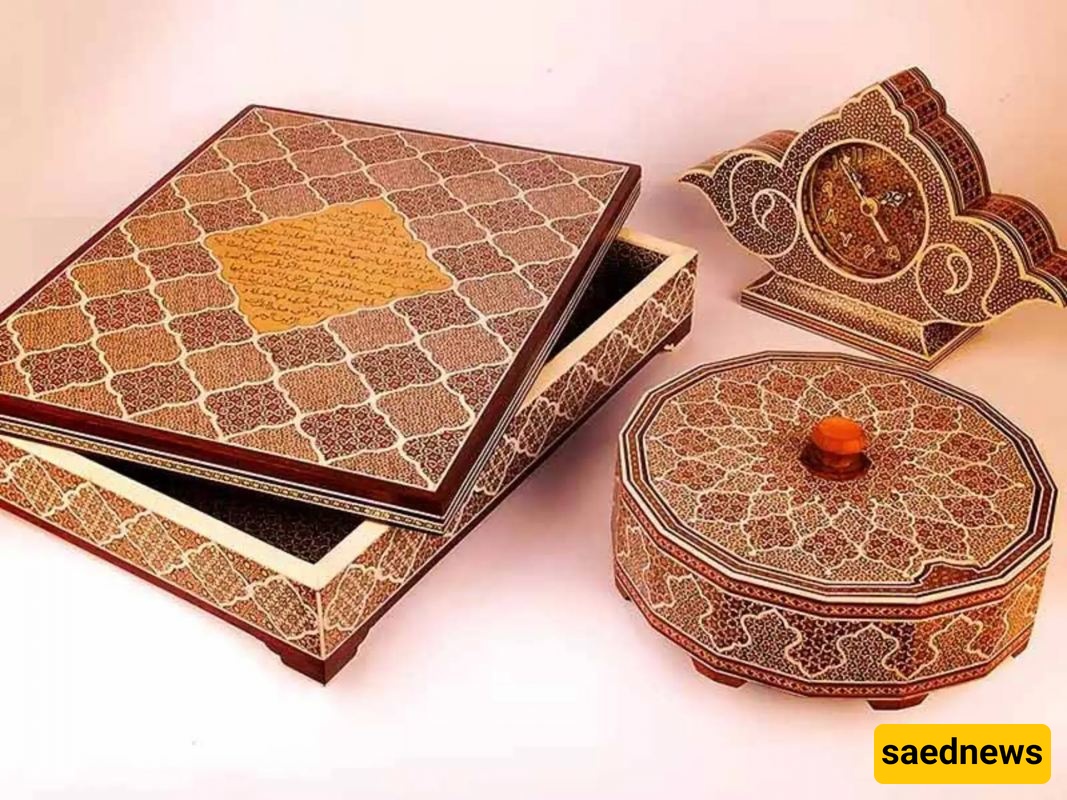
Khatamkari is used for both decorative and functional objects.
Examples include:
Picture frames
Decorative panels
Jewelry boxes
Vases
Sculptures
Common products include:
Tables and chairs
Office boxes
Pen holders
Traditional writing cases
Backgammon and chess boards
Khatamkari can also be found in:
Doors
Windows
Religious pulpits
Sacred structures
Isfahan is considered the capital of Khatamkari in Iran. Artists from this city have created some of the most valuable examples of this craft throughout history.
Shiraz is another important center. Shirazi Khatam is known for its unique patterns and colorful designs.
Many Khatam artists work in Tehran, where traditional markets and handicraft centers sell a wide range of products.
Because of the presence of the Imam Reza Shrine, Mashhad is an important center for religious Khatam designs and decorative structures.
When purchasing a Khatamkari artwork, consider the following factors:
Check the quality of wood, bone, and metals used.
Colors should be natural and long-lasting.
Lines should be straight and symmetrical.
Connections between pieces should have no gaps or cracks.
More complex and detailed patterns usually have higher artistic value.
Symmetry should be carefully maintained.
The price of Khatamkari depends on:
Size
Design complexity
Material quality
Artist skill
Handmade Khatam pieces are generally more valuable than machine-produced versions.
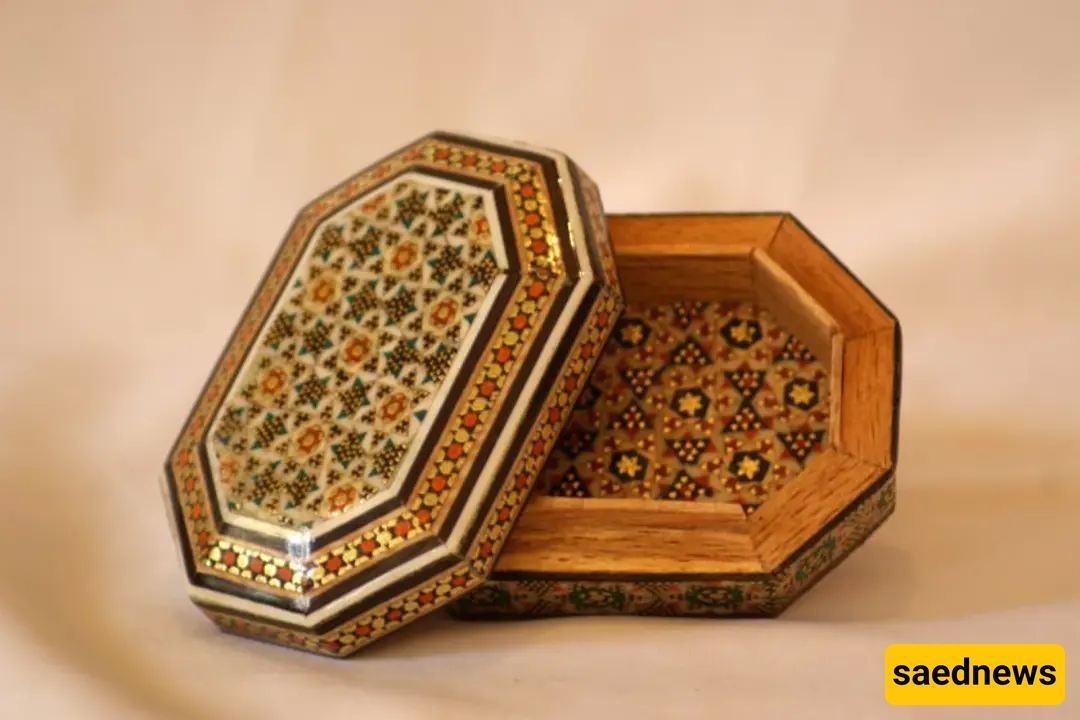
Proper care helps preserve the beauty and durability of Khatam pieces.
Keep Khatam objects in moderate temperature conditions.
Avoid direct sunlight exposure.
Protect them from excessive moisture.
Use a soft, dry cloth for cleaning.
Avoid water and chemical cleaning products.
Move Khatam objects carefully.
Protect them from impacts and pressure.
Khatamkari is more than a handicraft; it is an important part of Iranian cultural identity.
Throughout history, it has represented Persian artistic taste, creativity, and attention to detail.
Iranian poets and writers have referred to artistic craftsmanship in their works. The appreciation of fine decorative arts can be seen throughout Persian literature.
The use of Khatamkari in mosques, shrines, and religious buildings demonstrates its importance in Iranian spiritual and cultural traditions.
Many museums in Iran and around the world preserve collections of Khatamkari artworks, highlighting their historical and artistic value.
Despite its importance, Khatamkari faces several challenges.
The number of experienced Khatam craftsmen is decreasing due to:
Long training periods
Reduced interest among younger generations
Cheap factory-produced items have affected the market for handmade Khatam artworks.
Increasing prices of quality wood, metals, and other materials have raised production costs.
To preserve and develop this traditional art, several actions are important:
Organizing training workshops
Creating related academic programs
Supporting young artists
Using online platforms to introduce products
Participating in international exhibitions
Building recognized artistic brands
Necessary measures include:
Providing financial support for craftsmen
Purchasing artworks for cultural institutions
Promoting global recognition of Khatamkari
Khatamkari is one of Iran’s most valuable and refined traditional arts, reflecting the country’s rich history and cultural heritage. Through the careful combination of natural materials, geometric precision, and years of craftsmanship, artists create objects that are truly exceptional.
More than a decorative technique, Khatamkari represents Iranian identity, creativity, and artistic excellence. Although this craft faces modern challenges, continued support, education, and appreciation can ensure that future generations experience its beauty and significance.
For those seeking an authentic and meaningful artwork, Khatamkari offers more than decoration—it provides a connection to centuries of Persian culture, tradition, and craftsmanship. By purchasing genuine Khatamkari, collectors help preserve one of Iran’s most remarkable artistic traditions.