SAEDNEWS: Native Americans are the Indigenous peoples who inhabited the Americas, excluding Hawaii, long before European exploration and colonization. They represent a rich diversity of cultures, languages, and traditions that have existed across North, Central, and South America for thousands of years.
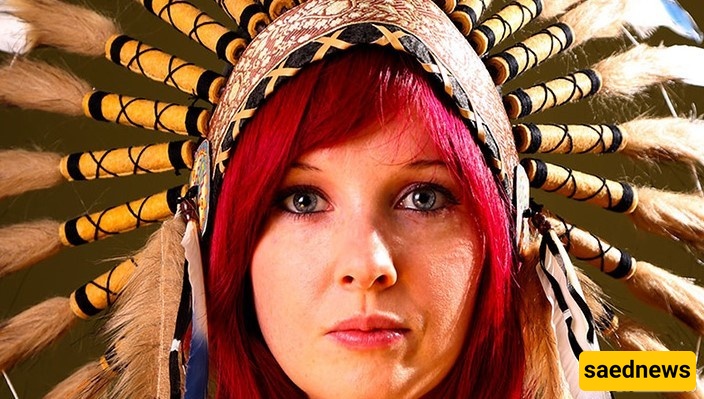
According to Saednews, The term "Red Indians" is an outdated expression that was historically used to describe the Indigenous peoples of North America. Today, respectful terms such as Native Americans, American Indians, Indigenous Peoples, First Nations (in Canada), Alaska Natives, and Native Hawaiians are preferred, depending on the community and region. The term Native American generally does not include Native Hawaiians or Alaska Natives unless specified.
In the United States, many Indigenous people identify as American Indian or by the name of their specific tribe, while in Canada the term First Nations is commonly used. The phrase Indigenous Peoples of North America serves as a broad and respectful description across both countries.
One of the most well-known Indigenous individuals was Ishi (c. 1860–1916), often referred to as the last known member of the Yahi people to have lived outside modern American society. The Yahi, a subgroup of the Yana people, were devastated during the California Gold Rush in the late nineteenth century. After losing his family, Ishi survived alone in the wilderness until 1911, when he emerged near Oroville, California. Anthropologists later documented his language and culture.
The giant Sequoia tree is believed to have been named in honor of Sequoyah, the Cherokee scholar who created the Cherokee writing system, making literacy possible for thousands of Cherokee people.
The term "American Indian" originated after Christopher Columbus mistakenly believed he had reached India in 1492 and referred to the Indigenous inhabitants as "Indians."
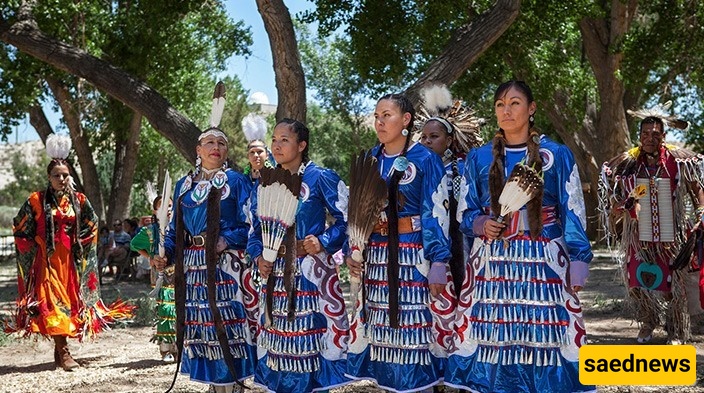
Many of the first Indigenous communities encountered by English settlers spoke Algonquian languages, and their interactions introduced numerous Native words into English.
Roughly half of the names of U.S. states, including Arizona, Kentucky, Missouri, and many others, originate from Indigenous languages.
Everyday English also includes Native American words such as chili, chocolate, tomato, potato, and many additional terms that entered the language through Indigenous cultures.
The Church of Jesus Christ of Latter-day Saints teaches that some Indigenous peoples descended from ancient peoples described in the Book of Mormon, where they are referred to as Lamanites.
The Snyder Act of 1924 granted U.S. citizenship to all Native Americans born in the United States, partly in recognition of the thousands who had served during World War I.
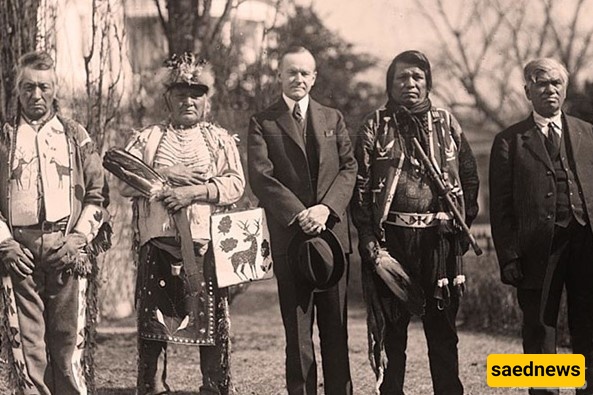
Archaeological evidence shows that Indigenous peoples have lived in the Americas for at least 12,000 years, while some researchers believe human settlement in parts of the Americas may date back more than 30,000 years. Native Americans were never a single nation but instead consisted of hundreds of distinct societies with unique cultures, governments, and languages.
During the early seventeenth century, five formerly rival nations united to form the Iroquois Confederacy, one of the world's most influential Indigenous political alliances. The Confederacy operated through a council of representatives, while women held the authority to appoint and remove council members.
Benjamin Franklin admired the Iroquois Confederacy and believed its political structure could inspire cooperation among the British colonies. The eagle used on the Great Seal of the United States also resembles an important symbol used by the Iroquois.
The Choctaw, Cherokee, Creek, Chickasaw, and Seminole became known as the Five Civilized Tribes because many had adopted farming, written laws, permanent settlements, and other customs similar to European society. Some even became prosperous enough to own plantations and enslaved people.
The state of Utah was named after the Ute people, whose name refers to people living in the mountains and near water. Oklahoma comes from the Choctaw words meaning "red people."
Both the United States and Canada operated military campaigns and boarding school systems intended to suppress Indigenous languages, cultures, and identities.
The Nez Perce played a vital role in helping Lewis and Clark explore the Pacific Northwest by building canoes, providing maps, and guiding the expedition along major rivers.
Sacagawea, a woman of the Lemhi Shoshone, served as an interpreter and guide during the Lewis and Clark Expedition between 1804 and 1806, traveling thousands of miles from the Northern Plains to the Pacific Ocean.
Several Native communities placed their deceased on elevated wooden platforms or scaffolds to protect the bodies from wild animals until natural decomposition occurred. Among the Huron, the dead were sometimes placed above ground for years before their bones were gathered for a ceremonial burial.
Some Indigenous peoples used porcupine quills as hairbrushes. Carefully shaped wooden sticks also served as early toothbrushes.
The Iroquois referred to corn, beans, and squash as the Three Sisters, recognizing them as complementary crops that formed the foundation of their agriculture.
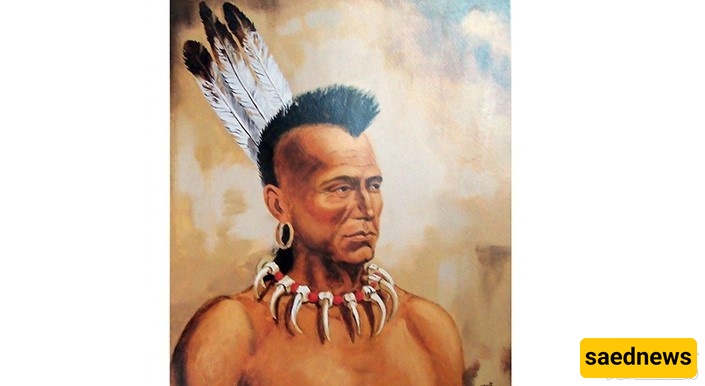
Members of the Mohawk Nation often shaved one side of the head while decorating the remaining hair with bright colors.
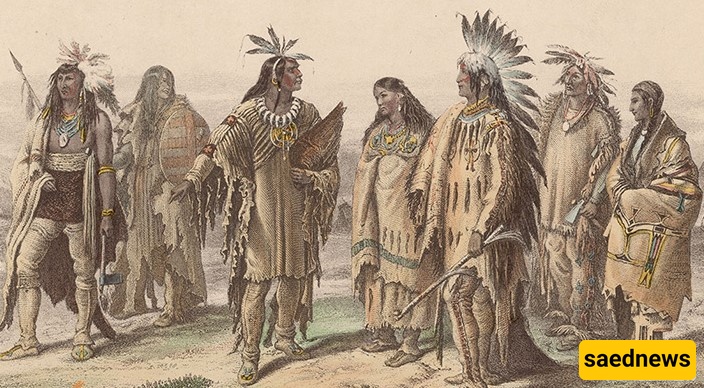
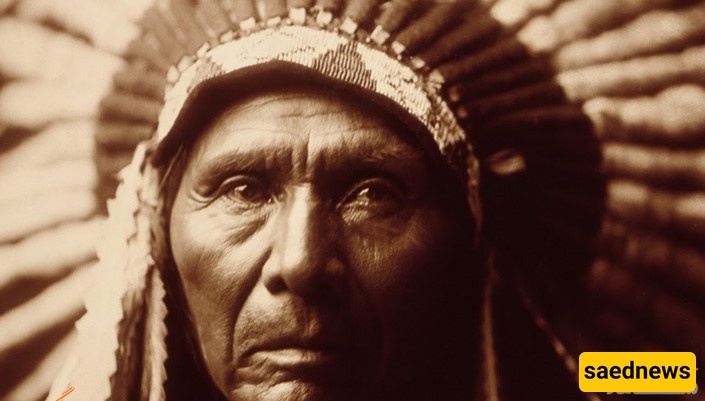
Highly respected warriors who demonstrated exceptional bravery could wear eagle feathers from head to toe. Eagle feathers were regarded as sacred symbols of courage, honor, and spiritual strength.
Among the Iroquois, pregnant women traditionally avoided eating turtle meat because of cultural beliefs regarding childbirth. In Navajo communities, expectant mothers followed ceremonies such as unbraiding their hair and releasing tied animals to encourage a safe delivery.
When a young hunter killed his first buffalo, he was often offered the animal's most prized part—the tongue. Tradition expected him to politely refuse the honor and instead share it with family and friends.
The Iroquois Midwinter Festival included groups of young people singing and dancing throughout the village under the guidance of an elder woman. They visited homes where gifts were offered in celebration.
One of the most physically demanding ceremonies practiced by some Plains tribes was the Sun Dance, during which participants endured painful rituals as acts of sacrifice and prayer for the well-being of their communities and the return of buffalo herds.
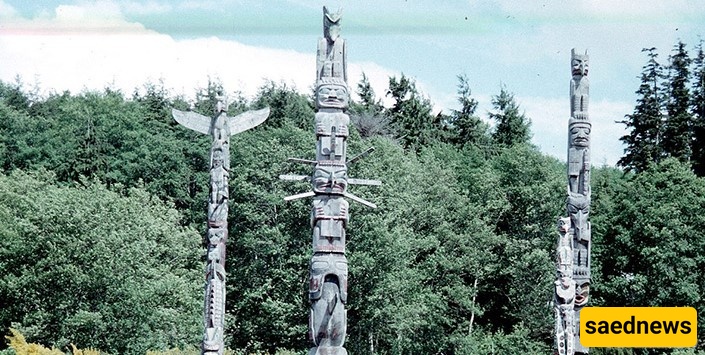
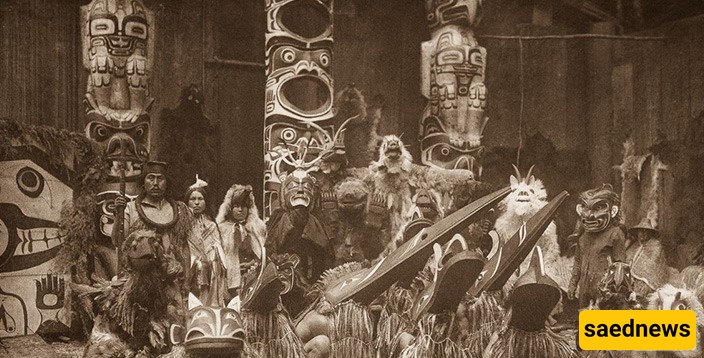
Northwestern peoples such as the Haida carved towering totem poles, sometimes reaching forty feet in height. These monumental carvings displayed family histories, clan symbols, honored ancestors, and represented important spiritual traditions rather than objects of worship.
The Navajo became especially renowned for creating elaborate sand paintings using naturally colored sands arranged into intricate geometric and symbolic designs for healing ceremonies.
Among several Plains tribes, one of the greatest honors in battle was counting coup—touching an enemy during combat without harming them and escaping safely, demonstrating extraordinary courage.
Approximately 22 percent of the more than 5 million Native Americans in the United States live on tribal lands or reservations.
Nearly 28 percent live below the federal poverty line.
Native Americans experience significantly higher rates of heart disease, diabetes, tuberculosis, infant mortality, and suicide than the national average, reflecting longstanding social and economic inequalities.
Many Native American women were highly skilled horse riders and expert archers.
Although horses had disappeared from North America thousands of years earlier, Europeans reintroduced them during the sixteenth century. Horses dramatically transformed Native cultures by improving transportation, hunting, warfare, and trade.
More than 8,000 Native Americans served during World War I, even before all Indigenous people were recognized as U.S. citizens.
Over 24,000 Native Americans served in World War II. Among the most famous were the Navajo Code Talkers, whose language formed the basis of an unbreakable military code that contributed significantly to Allied success.
The final major armed conflict between Native Americans and the United States government occurred in 1890 at Wounded Knee, South Dakota, where approximately 300 Lakota Sioux lost their lives.
In 1830, the U.S. Congress passed the Indian Removal Act, forcing many Indigenous nations to leave their ancestral homelands east of the Mississippi River.
In 1838, the U.S. Army compelled thousands of Cherokee people to march westward in what became known as the Trail of Tears. Thousands died from disease, starvation, exhaustion, and exposure during the journey.
Around 1890, the Ghost Dance religious movement spread among several Native American nations. Followers believed the sacred dance would restore traditional ways of life, bring back the buffalo, and reunite the living with their ancestors. Although peaceful, the movement was viewed with suspicion by U.S. military authorities.
When Christopher Columbus arrived in the Americas in 1492, historians estimate that between 2 million and 18 million Indigenous people lived across North America. By 1900, disease, warfare, forced relocation, and displacement had reduced the Native population to roughly 250,000 in the United States and 100,000 in Canada.
Today, the U.S. federal government officially recognizes more than 560 Native American tribes, while additional tribes continue seeking federal recognition.
Population projections estimate that by 2060, the number of American Indians and Alaska Natives will reach approximately 11.2 million, representing about 2.7 percent of the U.S. population.
States with the largest Native American populations include California, Oklahoma, Arizona, Washington, and New York, while Alaska, New Mexico, South Dakota, Oklahoma, and Montana have some of the highest percentages of Indigenous residents.
Native American communities continue to face serious social challenges, including suicide rates significantly above the national average. Researchers attribute these disparities to factors such as poverty, unemployment, historical trauma, domestic violence, alcoholism, and substance abuse.
Indigenous youth are also more likely than members of any other major ethnic group in the United States to die before reaching the age of twenty-four.