SAEDNEWS: Iran’s Islamic Revolutionary Guard Corps Aerospace Force has displayed wreckage from aircraft reportedly brought down during the Ramadan war, including what it identifies as a U.S. MQ-1C Gray Eagle drone. The report says the drone was downed by Iranian air defenses on June 10, marking the first such incident involving the aircraft.
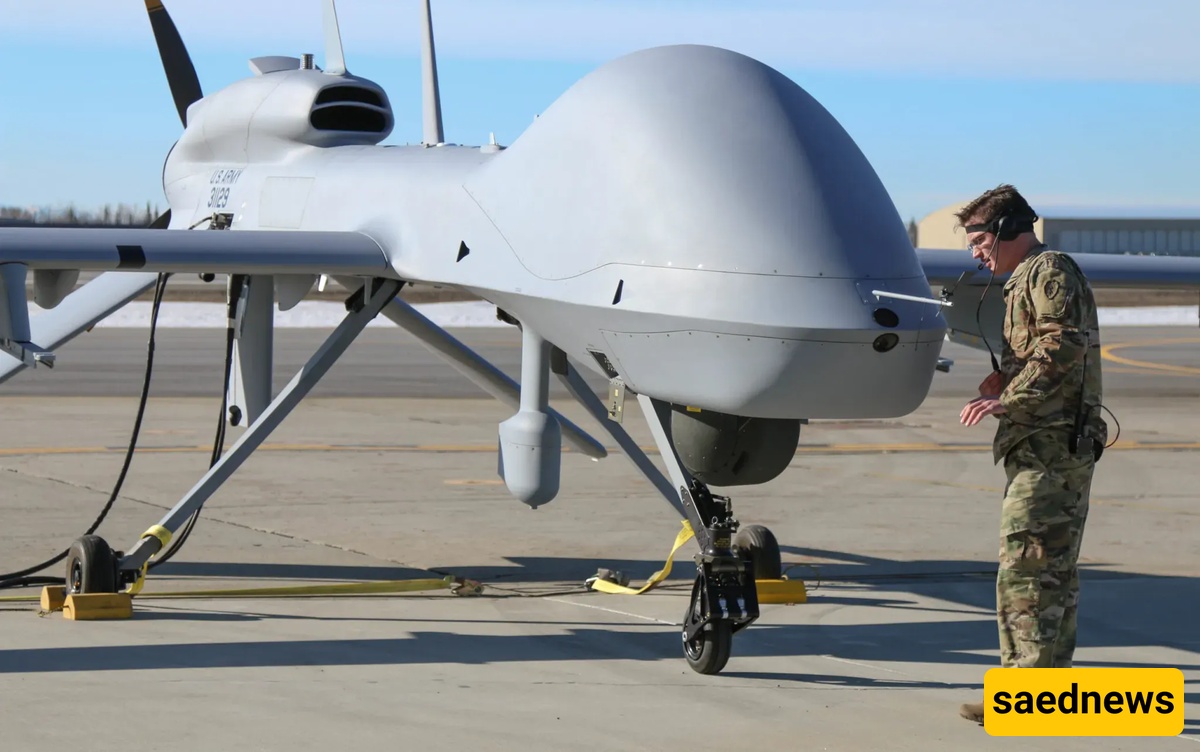
According to SaedNews: Iran’s Islamic Revolutionary Guard Corps Aerospace Force has recently displayed images of wreckage from aircraft brought down during the Ramadan war. Among the remains is a particularly significant example that, according to the report, shows a U.S.-built drone being intercepted by air defenses for the first time.
On June 10, during clashes that followed the ceasefire between Iran and the United States, the IRGC announced that it had shot down an MQ-1 drone. Hours later, U.S. Central Command also said it had lost an MQ-1. The claim initially appeared unusual because the MQ-1 Predator had been withdrawn from the U.S. military’s combat units for several years.
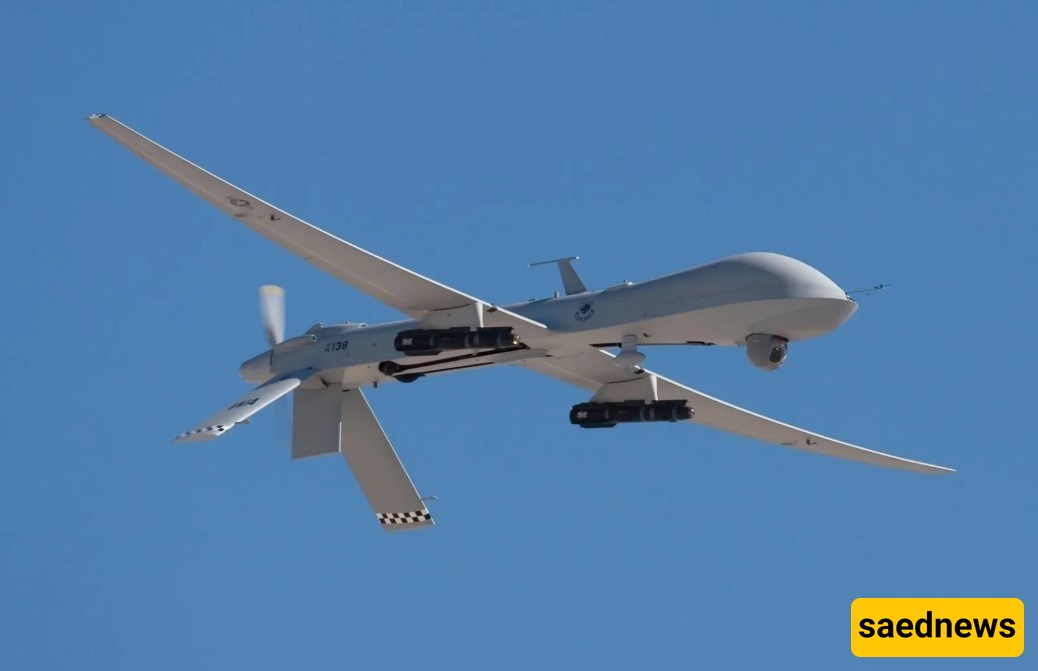
The aircraft actually brought down by Iran’s air-defense network was identified as the MQ-1C Gray Eagle, a reconnaissance and combat drone developed as an upgraded platform to meet the U.S. Army’s intelligence and strike requirements.
The MQ-1 Predator became widely known as one of the early platforms behind modern reconnaissance and attack drones, particularly after the September 11 attacks and the U.S. wars in Iraq and Afghanistan. The U.S. Army, which lacked a comparable capability at the time, sought a similar system after seeing the Predator’s potential in service with the Air Force and CIA.
General Atomics Aeronautical Systems, the company behind the Predator and later the well-known Reaper, won the competition to develop the Army’s next-generation reconnaissance and attack drone. Following the selection and coordination with the Army, the new aircraft entered service under the designation MQ-1C and the name Gray Eagle.
The Gray Eagle represents a major upgrade over the Predator. One of its most noticeable features is the large structure on the front section, which houses a satellite dish used for Ku-band communications and control. This allows operators to control the drone from another part of the world wherever the required control system is available.
The unmanned aircraft is nearly 400 kilograms heavier than the Predator. Its engine was also upgraded by 65 horsepower, giving it 180 horsepower. The MQ-1C can normally fly at 148 kilometers per hour for up to 27 hours, reaching a maximum altitude of about 8,800 meters above sea level.
The aircraft is typically armed with four Hellfire air-to-surface missiles with a range of around 8 kilometers. It also uses Raytheon’s AN/AAS-52 electro-optical surveillance system and Northrop Grumman’s AN/ZPY-1 synthetic aperture radar. The cost of each drone, including associated systems, is generally estimated at about $20 million.
The aircraft made its first flight in 2004 and entered U.S. Army service in 2009. Around 204 units have been produced since production began, and the U.S. Army remains its only operator.
The drone has operated in several parts of the world, including the Middle East, Africa and the Far East. It has also been used by the U.S. Army’s 160th Special Operations Aviation Regiment. Several crashes involving the aircraft have been recorded in Iraq and Niger, but according to the report, it had never previously been shot down by enemy fire.
That changed on June 10 this year, when the Gray Eagle was reportedly brought down by Iranian air defenses for the first time. The remaining wreckage reportedly carries the words “US Army,” meaning the U.S. Army, along with the aircraft’s distinctive engine-air-intake design, which the report cites as clear evidence of its identity.
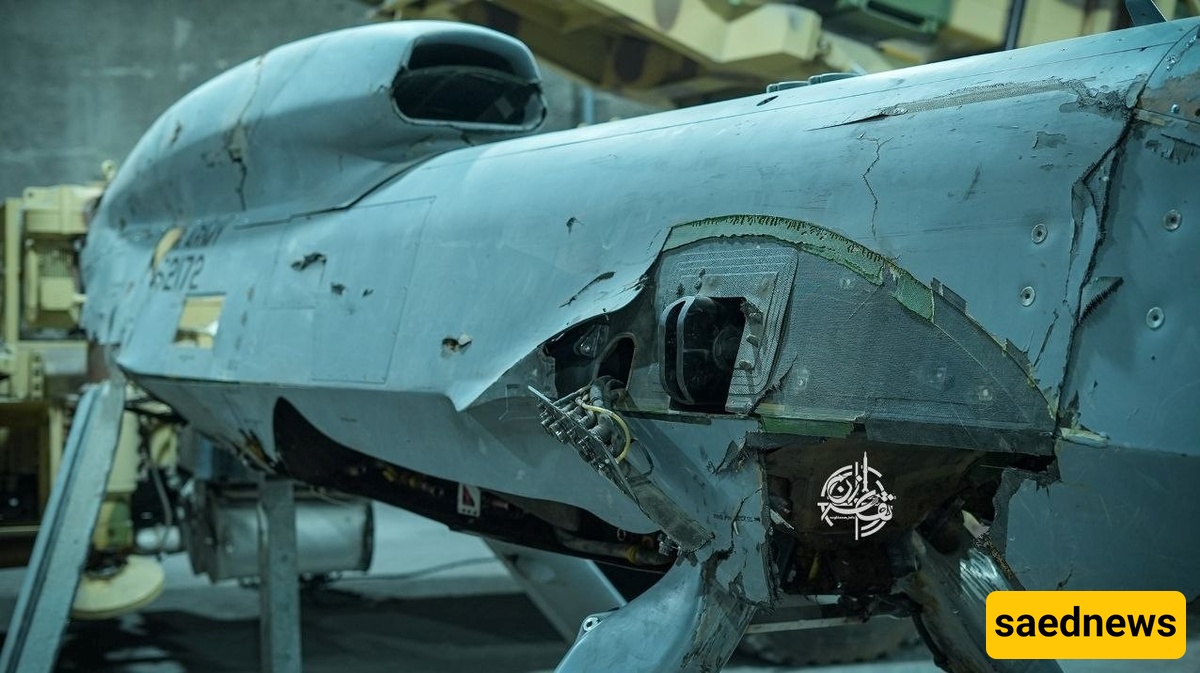
The report concludes that heavy losses among the MQ-9 Reaper drone fleet have forced the United States to deploy Gray Eagle aircraft as well. According to the report, those drones have also failed to escape the IRGC’s air defenses, marking another first attributed to Iran’s air-defense forces.