SAEDNEWS: The Washington Post reports that the US military has lost at least 45 MQ-9 Reaper drones since the war with Iran began, representing about one-quarter of its prewar fleet and more than $1.3 billion in equipment value.
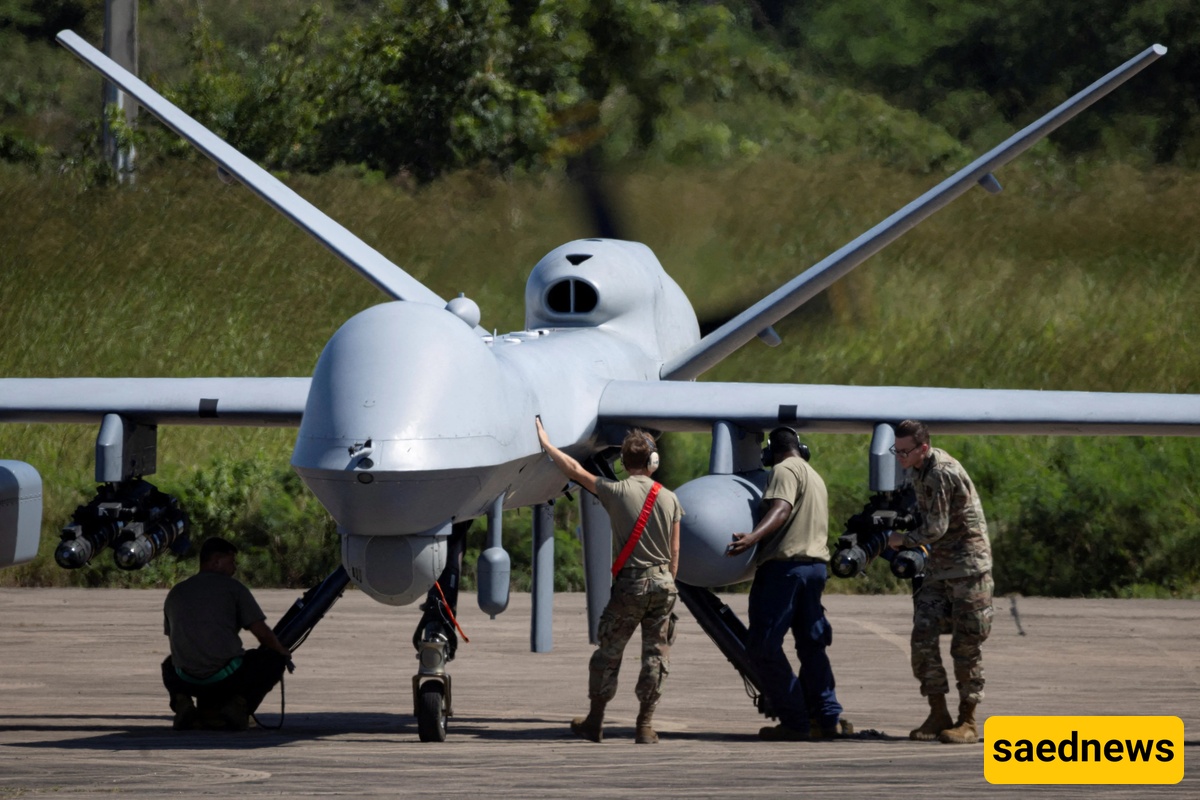
According to SaedNews: The US military has lost at least 45 MQ-9 Reaper drones during its war with Iran, a figure representing roughly one-quarter of the American fleet and carrying an estimated cost of more than $1.3 billion.
The Washington Post, citing three US officials familiar with Defense Department intelligence, reported that at least 45 Reapers have been lost since the conflict began. Before the war, the drones were part of an American fleet of about 185 aircraft.
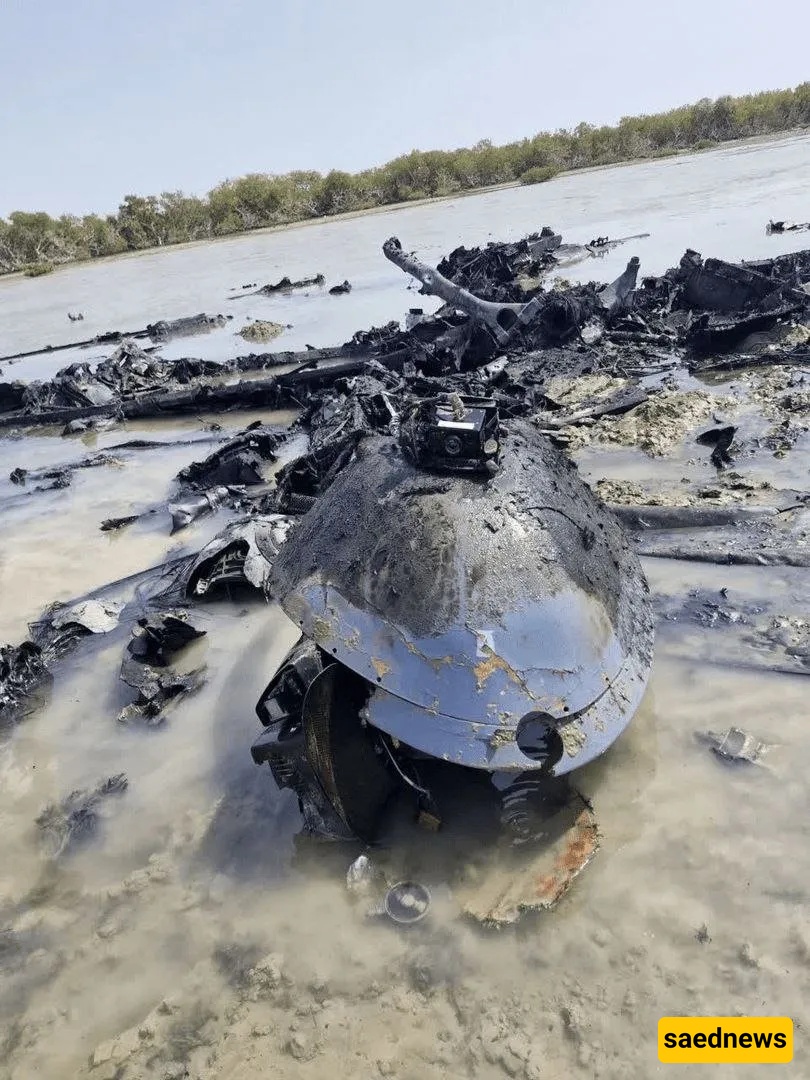
The Reaper is among the US military’s principal reconnaissance and strike drones. Depending on its equipment and weapons, each aircraft is valued at between $30 million and $50 million, putting the value of the drones lost in the conflict above $1.3 billion.
The Strait of Hormuz has become one of the main operating areas for the drones. Their relatively slow speed and low-altitude flight, however, have made them vulnerable to Iranian air defenses and forces aligned with Tehran in Yemen and Iraq.
Another US official told the Washington Post that not all of the aircraft were shot down. Some crashed after losing contact with their operators.
The newspaper said the losses came as US weapons inventories were already under pressure. During the first month of the war alone, American forces fired more than 850 Tomahawk missiles and more than 1,000 Patriot and THAAD missiles.
That situation has raised concerns over Washington’s ability to quickly replace weapons that have been expended. At the same time, the Trump administration has asked Congress for an additional $67 billion for the war with Iran and to replenish Pentagon stockpiles.
The Washington Post cited an American Enterprise Institute report warning that funding is not the only problem. US production capacity for some critical munitions remains far below Pentagon requirements. The United States can currently produce no more than 96 THAAD missiles a year, while the Pentagon has requested 857 for next year and nearly 2,600 over the next five years.
According to the think tank’s calculations, maintaining current production rates could mean that meeting the Pentagon’s five-year THAAD requirement would take about 27 years.
Meanwhile, the US secretary of war has warned that continued pressure from the conflict on the defense budget could force the Pentagon to reduce military training.
The Washington Post concluded that the combined figures indicate that even if the Trump administration’s requested funding is approved, rapidly rebuilding US weapons stocks will not be possible, and replacing some of the munitions and equipment consumed in the war could take years.