SAEDNEWS: An Israeli report acknowledges the continuing difficulty of countering Hezbollah’s drone attacks, despite more than 100 solutions being examined. Fiber-optic FPV drones have become a key tool in attacks on Israeli forces in southern Lebanon.
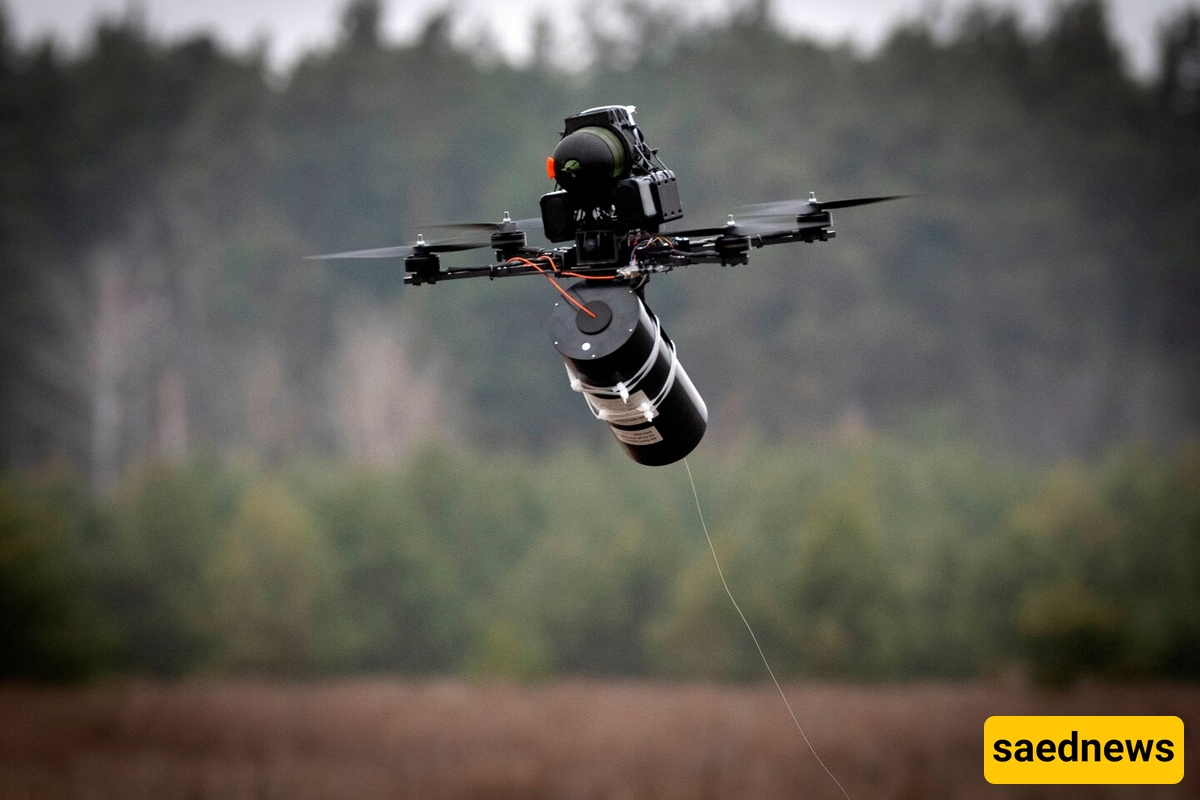
According to SaedNews: The Israeli news site Ynet, affiliated with Yedioth Ahronoth, has highlighted the Israeli military’s continuing difficulty in dealing with Hezbollah’s drone strategy.
The Hebrew-language outlet reported that Israel has examined more than 100 possible ways to counter the threat, yet Hezbollah’s drones continue to inflict casualties. In the latest incident over the weekend, Hezbollah used a drone to strike a gathering of Israeli troops in southern Lebanon, seriously injuring an officer and several other soldiers.
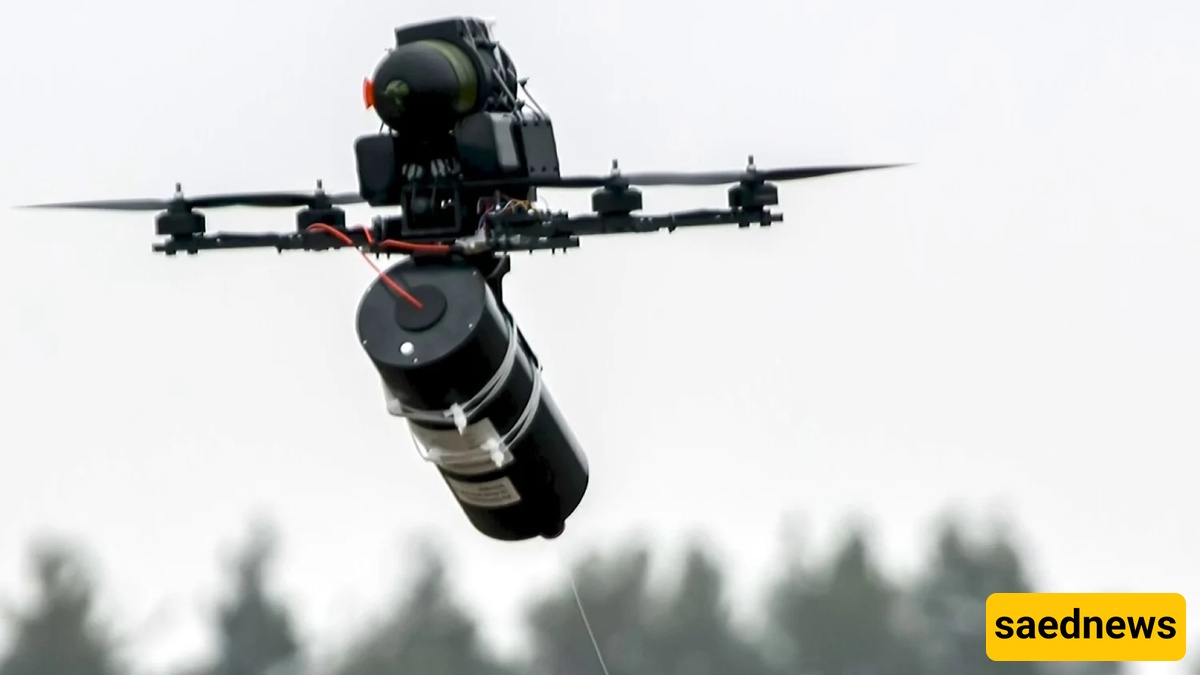
Ynet described the attack as one of the most significant threats facing Israeli forces in southern Lebanon. Hezbollah has sharply increased its use of suicide drones in recent months, announcing more than 70 such attacks since early March. Since the ceasefire in mid-April, fiber-optic FPV drones have become a primary tool in attacks against Israeli troops.
These relatively small drones are controlled through live video and can be directed toward targets dozens of kilometers away while carrying explosives weighing several kilograms. Their fiber-optic connections can also help them bypass some Israeli electronic-warfare systems.
An Israeli intelligence assessment cited reports that Hezbollah operates workshops in southern Lebanon and the Bekaa Valley to assemble the drones, with each reportedly costing no more than $300 to $400.
Although Hezbollah’s attacks have declined in recent weeks as agreements have progressed, the latest incident indicates that it retains the ability to launch suicide drones and cause casualties. In late July, a Hezbollah drone also struck an Israeli military engineering vehicle patrolling the Ali al-Taher heights, the same area where three soldiers were wounded over the weekend.
The report said the difficulty of stopping these drones has been recognized for months. The Israeli military and defense industries have tested more than 100 detection and interception solutions, including the Iron Drone Raider system deployed in southern Lebanon. The system uses radar and an interceptor drone that fires a net at an incoming drone, but Israel’s military had previously said its effectiveness was still insufficient.
Other detection tools are also used to provide troops with only a few seconds of warning before an attack. Prime Minister Benjamin Netanyahu referred to the threat in May, saying he had ordered a special project to find a solution to the drone problem and that the effort would take time.