SAEDNEWS: Don Nelson, one of the most influential coaches in NBA history and the league’s second-winningest coach in regular-season victories, has died peacefully with his family by his side. From five championships as a player to 1,335 coaching wins and the creation of “Nellie Ball,” his impact reached far beyond the sidelines.
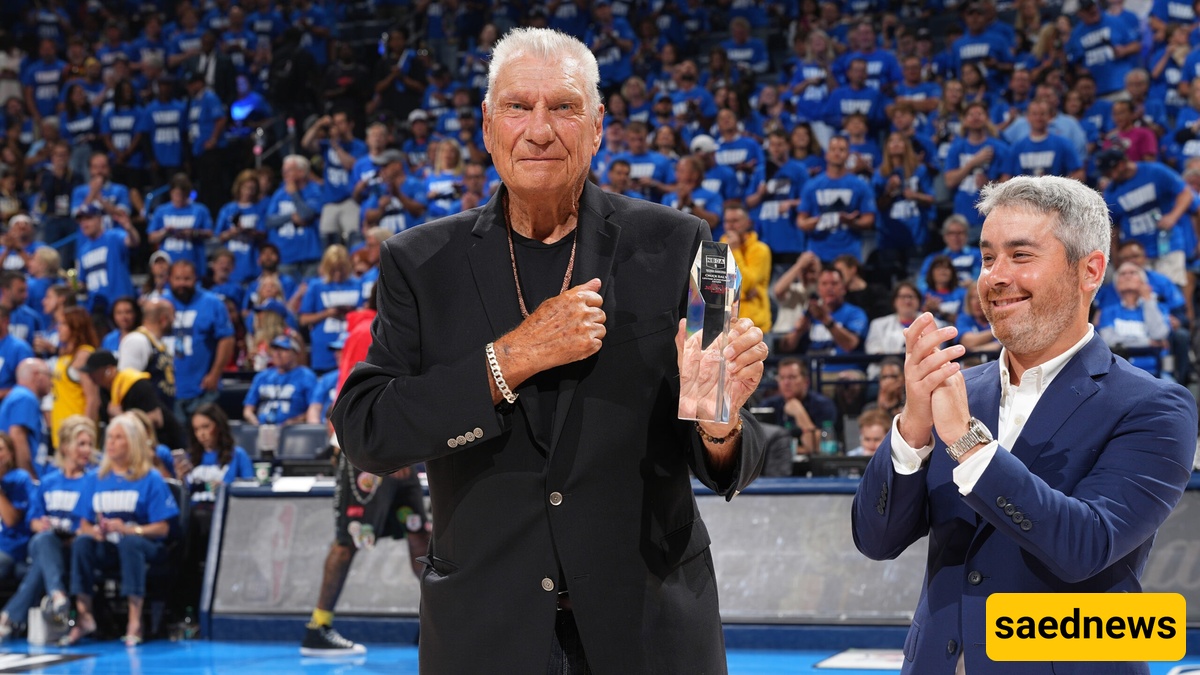
According to SaedNews: The NBA has lost one of the figures who helped reshape the game long before many of his ideas became basketball conventions. Dan Nelson, a five-time NBA champion as a player, three-time Coach of the Year and one of the league’s most influential tactical innovators, has died peacefully with members of his family beside him, according to his family.
Nelson leaves behind a remarkable record that places him among the most successful coaches in NBA history. Over 31 seasons as a head coach, he guided the Milwaukee Bucks, Golden State Warriors, New York Knicks and Dallas Mavericks, accumulating 1,335 regular-season victories.
That total once stood alone at the top of the NBA coaching record book. Nelson remained the league’s winningest regular-season coach until 2022, when Gregg Popovich moved past him. Nelson now ranks second with his 1,335 victories, a mark that reflects both his extraordinary longevity and his ability to keep teams competitive across different eras.
Yet numbers only tell part of his story.
Nelson never won an NBA championship as a head coach, despite taking his teams to the playoffs 18 times. His influence on basketball, however, extended well beyond championship banners. He was one of the coaches willing to challenge traditional ideas about size, positions and how an offense should be constructed.
The clearest example was the style that became known as “Nellie Ball.”
Nelson frequently used smaller, faster lineups designed to create difficult defensive matchups. Rather than automatically relying on conventional positional roles and bigger lineups, his teams sought to force opponents into uncomfortable decisions. The approach became a defining part of his coaching identity and emerged years before “small-ball” became one of the NBA’s most widely discussed tactical concepts.
In that sense, Nelson was not simply reacting to the evolution of basketball. He was helping push it forward.
His influence could also be seen in the players and teams he helped shape. During his time in Dallas, Nelson played an important role in bringing Dirk Nowitzki and Steve Nash into the Mavericks organization. Years later, he again demonstrated his willingness to trust an unconventional basketball vision when he helped persuade the Golden State Warriors to select Stephen Curry with the seventh pick in the 2009 NBA Draft.
Curry would go on to become one of the most influential players in basketball history.
After Nelson’s death, Curry reflected on just how important the coach had been to his career. He said Nelson was one of the main reasons the Warriors selected him and recalled how the veteran coach challenged him from the very beginning while giving him an opportunity to become the best version of himself.
Curry’s rise would eventually help transform Golden State and influence the entire league, making Nelson’s belief in him an especially meaningful part of his legacy.
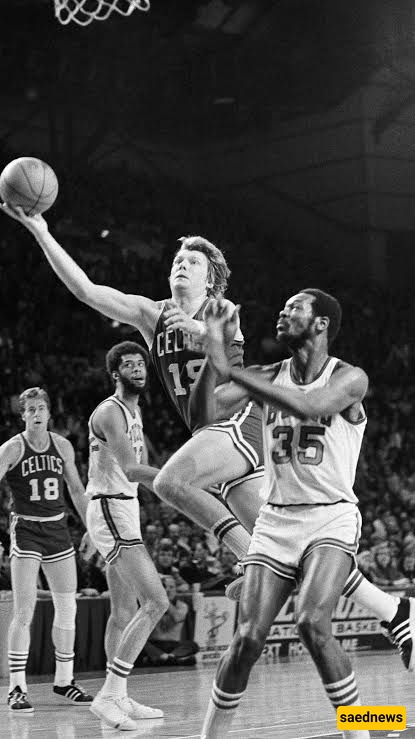
Nelson’s basketball story began long before his coaching career. As a player, he spent 14 seasons in the NBA and won five championships with the Boston Celtics. Across 1,053 regular-season games, he averaged 10.3 points and 4.9 rebounds.
Boston later retired his No. 19 jersey in 1978, another recognition of the impact he had made during his playing career.
His achievements as a coach were equally significant. Nelson was named NBA Coach of the Year three times, in 1983, 1985 and 1992. He also coached the United States national team known as “Dream Team II” in 1994, leading the squad to a gold medal at the World Championship.
In 2012, Nelson was inducted into the Basketball Hall of Fame. His contributions were recognized again in 2025 when he received the Chuck Daly Lifetime Achievement Award.
Those honors reflect a career that crossed generations of basketball and survived major changes in how the sport was played.
NBA Commissioner Adam Silver paid tribute to Nelson following his death, describing him as a coach whose courage, creativity and deep belief in his ideas transformed NBA basketball.
That transformation may ultimately be the most important part of Nelson’s legacy.
He was a coach who was willing to experiment when conventional wisdom suggested otherwise. He believed that speed could create advantages, that unconventional lineups could expose weaknesses and that players could become more dangerous when given the freedom to operate in ways opponents did not expect.
His coaching career did not end with the championship success that many great coaches ultimately seek. But his influence is visible in the evolution of the game itself—from smaller lineups and positional flexibility to the increasing value placed on players who can create mismatches.
Nelson also leaves behind a unique connection to some of basketball’s defining figures, from his championship years with Boston to Nowitzki and Nash in Dallas and Curry in Golden State.
That combination makes his legacy unusually broad. He was a champion as a player, a record-setting coach, a Hall of Famer and an innovator whose ideas outlived his time on the bench.
For basketball fans, his death is therefore more than the passing of a decorated coach. It marks the loss of someone who repeatedly asked the sport to think differently.
Dan Nelson’s name will remain in the record books because of his 1,335 victories. But his deeper imprint may be found in the way the NBA learned to value speed, creativity and tactical flexibility. The game continued changing after he left the sidelines—and many of those changes carried the fingerprints of a coach who was willing to see the future before it became obvious.