SAEDNEWS: South Korean police have searched the offices of the country’s football federation and seized documents as part of an investigation into the process that led to Hong Myung-bo being appointed national team head coach.
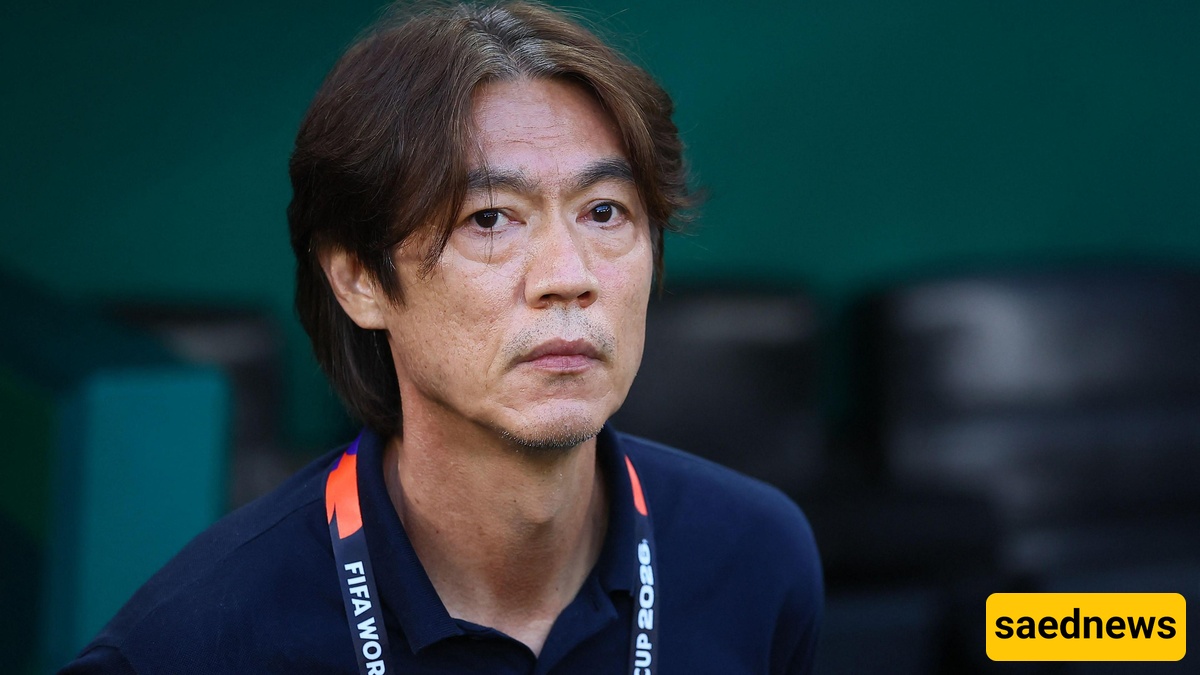
According to SaedNews: South Korean football has entered another difficult chapter, with police officers arriving at the country’s football federation on Thursday as part of an investigation into the appointment of Hong Myung-bo as national team head coach.
The investigation adds a dramatic new dimension to the fallout from South Korea’s disappointing 2026 World Cup campaign. According to Agence France-Presse, police carried out a search and seized documents at the offices of the Korea Football Association as they examined whether the procedure used to appoint Hong was properly conducted.
A spokesperson for South Korean police told AFP that officers had carried out the search and seizure operation inside the federation’s offices. The investigation is focused on a specific question: whether the legal and proper procedures were followed when Hong Myung-bo was selected to lead the national team.
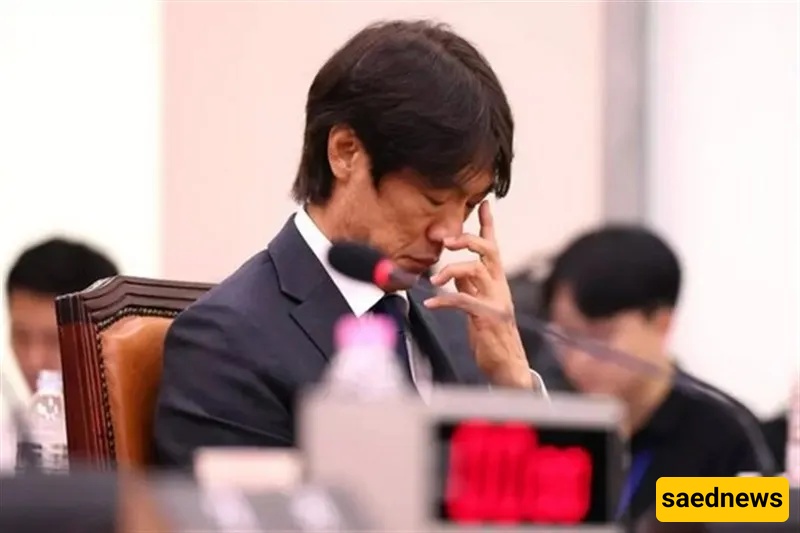
The issue has placed the federation under increased scrutiny at a sensitive moment for South Korean football. The police action does not by itself establish wrongdoing, but it signals that authorities consider the appointment process serious enough to warrant a formal examination.
Investigators are reportedly seeking to determine whether the process was conducted in an orderly and legitimate manner. That means attention is now turning not only to what happened on the pitch during the World Cup, but also to the decisions made behind the scenes before the tournament.
The timing is particularly striking because South Korea’s World Cup campaign ended in disappointment. The team was drawn in Group A alongside Mexico, South Africa and the Czech Republic.
South Korea began the tournament with three points against the Czech Republic, giving the team an encouraging start. But that momentum did not last.
Defeats against Mexico and South Africa left South Korea unable to advance to the final 32 of the tournament, according to the source. The results turned what had initially looked like a promising campaign into a disappointing exit.
The poor performance also sparked criticism at the highest political level.
South Korean President Lee Jae-myung previously issued a statement in which he described the national team’s failure at the 2026 World Cup as the result of ineffective and incompetent individuals reaching managerial positions. He also criticized the influence of practices such as favoritism in the process of appointing people to senior positions in the country’s sports sector.
Those remarks have added political weight to an already controversial football issue. With the national team struggling on the international stage, questions about how decisions are made within the country’s football administration have become increasingly prominent.
The police investigation now brings those questions into a formal process.
At the heart of the probe is the appointment of Hong Myung-bo. Authorities are reportedly examining whether the procedure used to select him complied with the appropriate legal and administrative requirements.
That distinction is important. The investigation is examining the process surrounding the appointment, rather than establishing that the coach himself committed wrongdoing. The central issue, as described by the police spokesperson, is whether the federation followed a proper procedure.
AFP also attempted to contact the Korea Football Association for a response. However, officials at the federation were reportedly unwilling to comment.
That silence leaves the investigation as the latest major development in a story that has moved rapidly from football disappointment to institutional scrutiny.
For South Korean supporters, the controversy is likely to raise broader questions about responsibility. A disappointing World Cup result can lead to criticism of players and coaches, but the current situation reaches further, placing the administrative structure behind the national team under attention as well.
The sequence of events is striking. South Korea entered the World Cup with hopes of progressing, earned three points in its opening match against the Czech Republic, then suffered defeats to Mexico and South Africa. The team failed to reach the final 32, while criticism of the country’s football management intensified.
Now police have entered the federation’s offices and seized documents while investigating the appointment of the national team coach.
The outcome of that investigation remains to be seen. For now, however, the focus has shifted from the results on the field to the decisions made away from it.
The central question is no longer simply why South Korea struggled at the World Cup. Authorities are also examining whether the process used to choose the person responsible for leading the national team was itself properly handled. As the investigation develops, that question could become one of the most closely watched issues in South Korean football.