Saed News: The liver is one of the most important organs in the human body and is located in the upper right side of the abdomen. This large organ performs many vital functions, including helping digest food, storing energy, producing important blood proteins, regulating blood sugar, and removing toxins from the body.
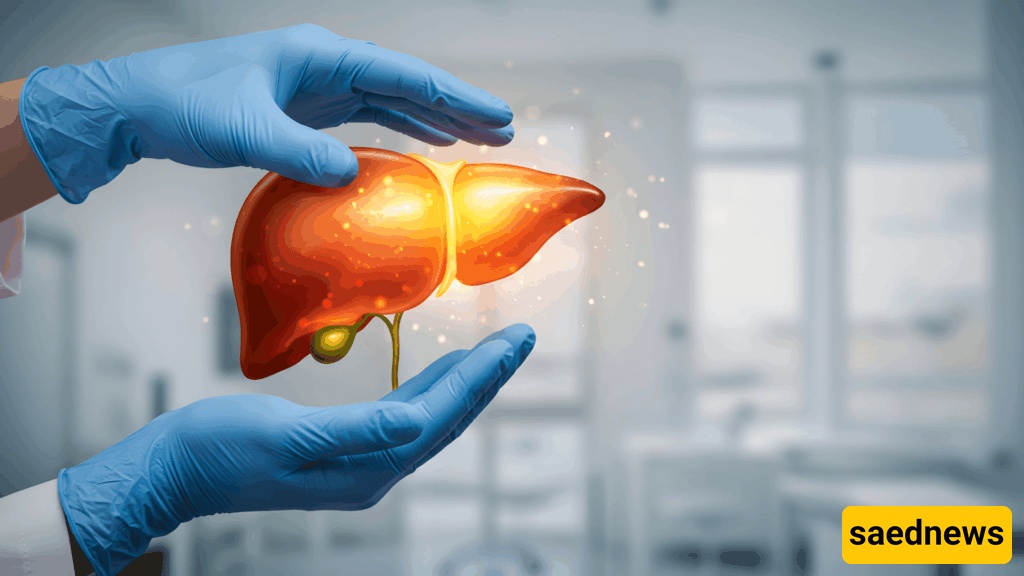
According to SAEDNEWS, one of the most common liver problems is fatty liver disease. This condition occurs when excessive fat accumulates in liver cells.
If the amount of fat exceeds normal levels, liver function becomes impaired. Fatty liver disease usually has no obvious symptoms in its early stages, and many people are unaware they have it. However, some individuals may experience fatigue, mild pain on the right side of the abdomen, or a feeling of heaviness.
The main causes of fatty liver include obesity, lack of physical activity, unhealthy nutrition, excessive consumption of sugar and fat, diabetes, and high blood lipid levels. Alcohol consumption can also cause liver damage in some people.
To prevent and treat fatty liver disease, lifestyle changes are extremely important. Weight loss, regular exercise, consuming vegetables and fruits, eating low-fat foods, and avoiding sugary and fried foods can help improve liver health.
As a result, the liver is a highly important organ, and caring for it plays a major role in maintaining overall health.
Hamed Nikoupour, a liver transplant surgeon, spoke about fatty liver disease and ways to prevent and treat it. He said that fatty liver disease was not previously considered a major cause of liver failure, but today, in Western societies and even in Iran, it is recognized as one of the top three causes of liver failure and the need for transplantation.
Due to lifestyle changes, the prevalence of the disease has increased significantly, and around 40% of society may be affected.
The liver surgeon emphasized that fatty liver disease should not be ignored. He explained that even thin individuals can develop fatty liver as a result of excessive sugar and simple carbohydrate consumption.
According to this gastrointestinal and liver specialist, small dietary and physical activity changes can play an important role in reversing fatty liver disease and preventing the need for transplantation.
Nikoupour stated that the main factor is excessive consumption of simple carbohydrates such as rice, bread, soft drinks, industrial fruit juices, and sweets.
He pointed out that dietary fats do not directly cause fatty liver; rather, excessive sugar and simple carbohydrates lead to fat accumulation in the liver.
Nikoupour also stressed that fatty liver disease is reversible in most cases. Initial diagnosis is usually done through ultrasound. Liver enzymes may appear normal or only slightly elevated, but ultrasound is more accurate.
If the condition remains in stages 1 to 3, lifestyle changes can restore liver health. However, if the condition continues, the risk of liver failure and the need for transplantation rises significantly.
Regarding lifestyle changes that can help reverse fatty liver disease, he recommended increasing physical activity and performing aerobic exercises such as running, cycling, and swimming for at least 30 minutes a day.
He also advised reducing carbohydrate intake, especially bread and rice, and considering lower-glycemic alternatives such as quinoa or brown rice.
Asked about common symptoms associated with fatty liver disease, he said the condition is usually symptomless, but some people may experience fatigue, vague upper abdominal pain, or general discomfort.
Fatty liver disease is also often associated with metabolic syndrome, including obesity, high blood pressure, type 2 diabetes, and high cholesterol.