Saed News: Excavation in the basement of George Washington’s mansion in Virginia, known as Mount Vernon, has led to the discovery of 35 glass bottles dating back to the 18th century, buried in five different pits.
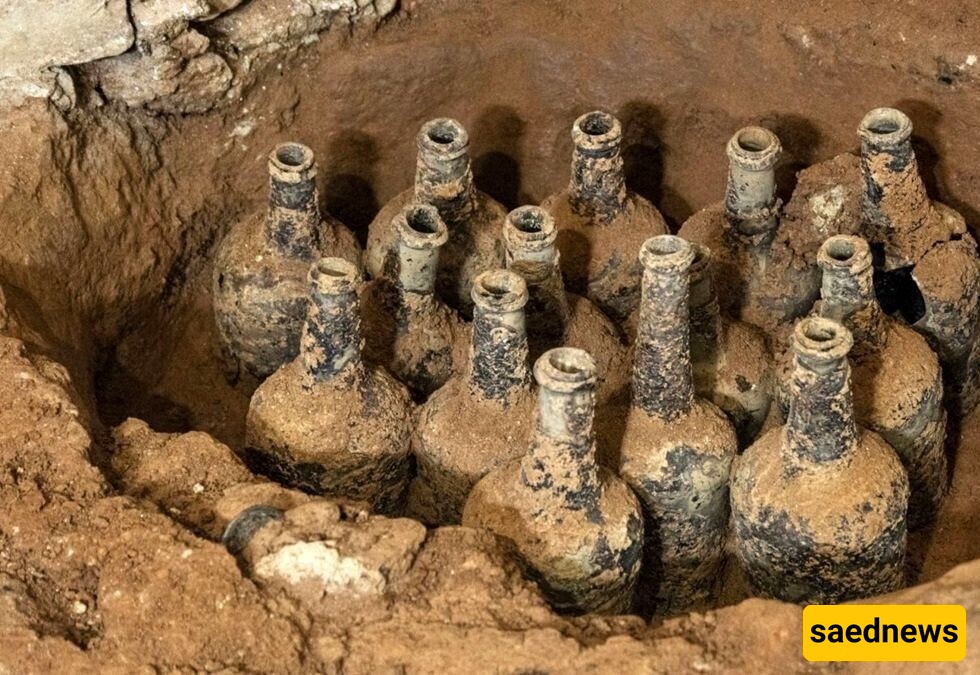
According to SAEDNEWS, quoting Faradid, the excavation in the basement of George Washington’s mansion in Virginia, known as Mount Vernon, has led to the discovery of 35 glass bottles from the 18th century, which were buried in five different pits. Twenty-nine of them are still intact and, like two other bottles found earlier this year, they contain fruits such as sour cherries and some small berries.
In April, when two intact, sealed European-made glass bottles were discovered in a storage area, it was considered a major find. It was found that the contents of the bottles were cherries, stems, and pits preserved in a nearly intact liquid. The materials were so well sealed that the cherries were still fragrant when discovered.
Doug Bradburn, president and CEO of Mount Vernon estate, said: “We never imagined this extraordinary archaeological discovery. Last month we were delighted by the discovery of two completely intact 18th-century bottles containing biological materials. Now we understand those bottles were only the beginning of a much larger discovery. As far as we know, this finding is unprecedented, and nothing of this scale and importance has ever been excavated in North America. We now have a wealth of artifacts and materials for analysis that may enhance our understanding of American history, and we hope the seeds of these cherries are still viable. It was very interesting that these bottles were discovered shortly before the 250th anniversary of the United States.”
The bottles had been underground since before the American Revolution. When George Washington hastily left his estate in 1775 after the Battles of Lexington and Concord began, the bottles were left behind. He joined the Second Continental Congress in his military uniform. A month later, this Congress established the Continental Army and appointed Washington as its commander-in-chief. Clearly, the preserved fruits in the basement, given the hardships of war, were of little importance to him, his family, or the enslaved people who farmed, harvested, and prepared food for the household.
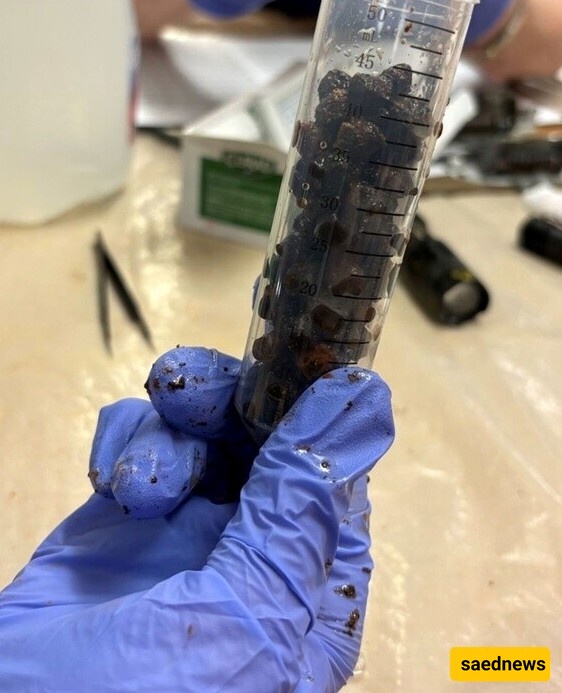
Jason Boroughs, chief archaeologist at Mount Vernon, said: “These extraordinary discoveries continue to amaze us. These perfectly preserved fruits, picked and prepared over 250 years ago, provide a rare opportunity to expand our knowledge of 18th-century environment, agriculture, and the origins of American food. The bottles and their contents are evidence of the knowledge and skills of the enslaved people who managed food from farm to table, including Doll, a cook brought to the estate by Martha Washington in 1759, who supervised the estate kitchen.”
Microscopic analysis has revealed interesting details, including that the cherries were picked with their stems using scissors. The acidic contents of the bottles likely helped preserve them. Researchers believe they are strong candidates for DNA recovery and hope to compare them with databases of known species to identify them. Scientists are also examining the cherry pits to see whether any are still viable for cultivation.
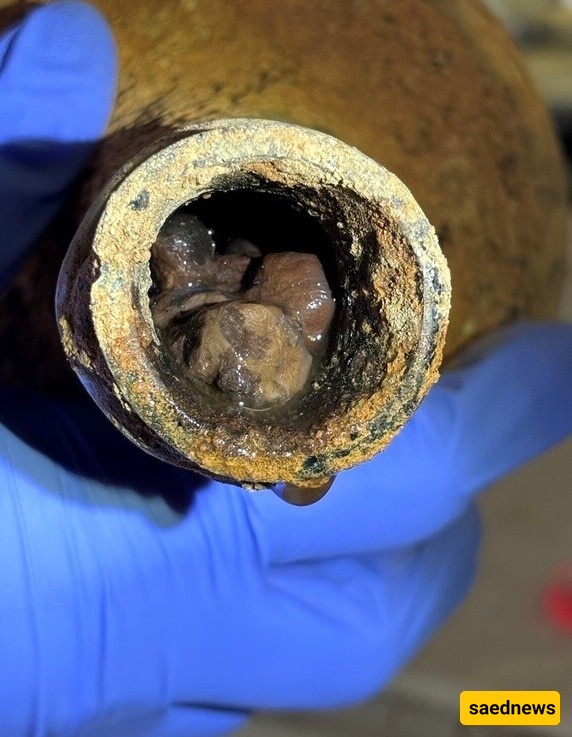
These are only preliminary results. The bottle contents will be fully analyzed by the Agricultural Research Service of the United States Department of Agriculture.