Saed News: Many people assume that all fruits have the same amount of natural sugar, but the reality is that some fruits contain much higher amounts of fructose and may cause bloating, stomach pain, or increased sugar intake in some individuals. In this report, you will learn about fruits with the highest and lowest fructose levels.
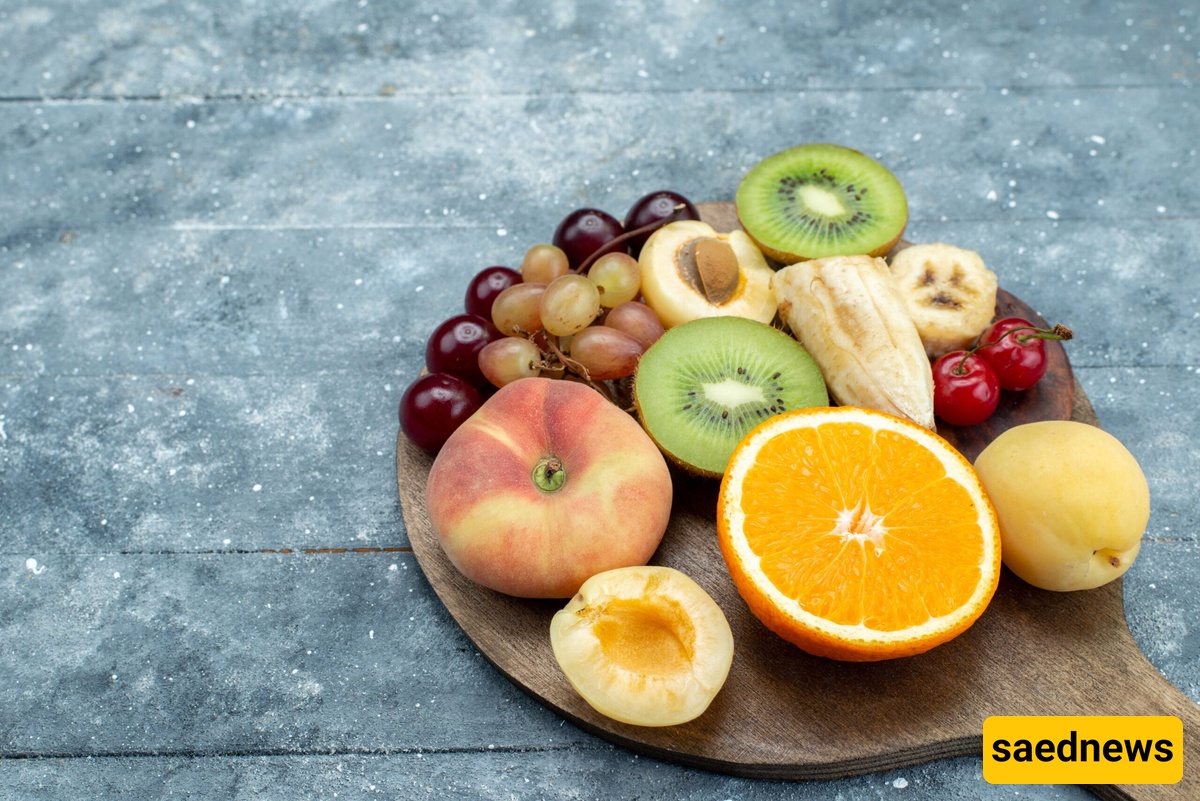
According to SAEDNEWS, fructose is a natural and very sweet sugar found in fruits, honey, and some vegetables. However, its amount is not the same in all fruits. Awareness of fructose levels can be important for people who suffer from fructose intolerance, digestive problems, or metabolic disorders.
Salamat News reports that experts emphasize that fructose in whole fruit is different from added fructose in processed drinks and foods, because fiber, water, and beneficial compounds in fruit slow down sugar absorption and balance its effect on the body.
1.Apple; Popular but Relatively High in Fructose
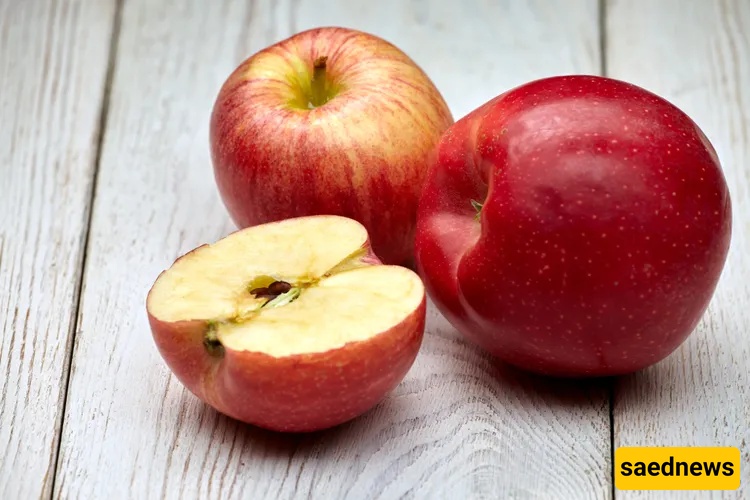
Apple is one of the most common fruits with relatively high fructose content. One medium red apple with skin contains about 12.5 grams of fructose.
Despite its relatively high sugar content, apple has a low glycemic index (about 36) and usually does not cause a sudden spike in blood sugar. This is due to its higher fructose-to-glucose ratio and its fiber content.
However, in people with fructose malabsorption or intolerance, eating apples may cause bloating, stomach pain, cramps, and diarrhea.
2.Pear; One of the Highest Sources of Fructose
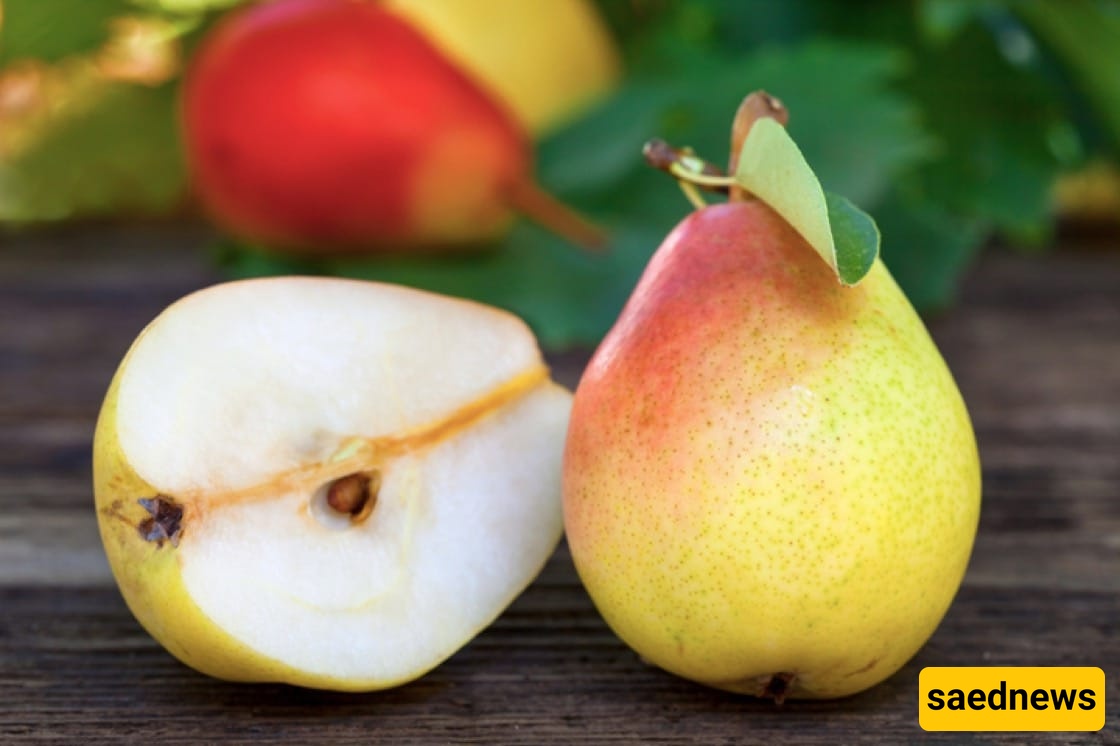
Pear is among the fruits with the highest fructose levels. One medium pear contains about 12.2 grams of fructose.
This fruit also has a low glycemic index (about 30) and is suitable for most people. However, for those sensitive to fructose, digestive problems may occur.
Studies show that moderate consumption of high-fructose fruits is generally not as harmful as added sugars, but excessive fructose intake from any source may increase liver fat and triglycerides.
3.Mango; Better Sugar Balance
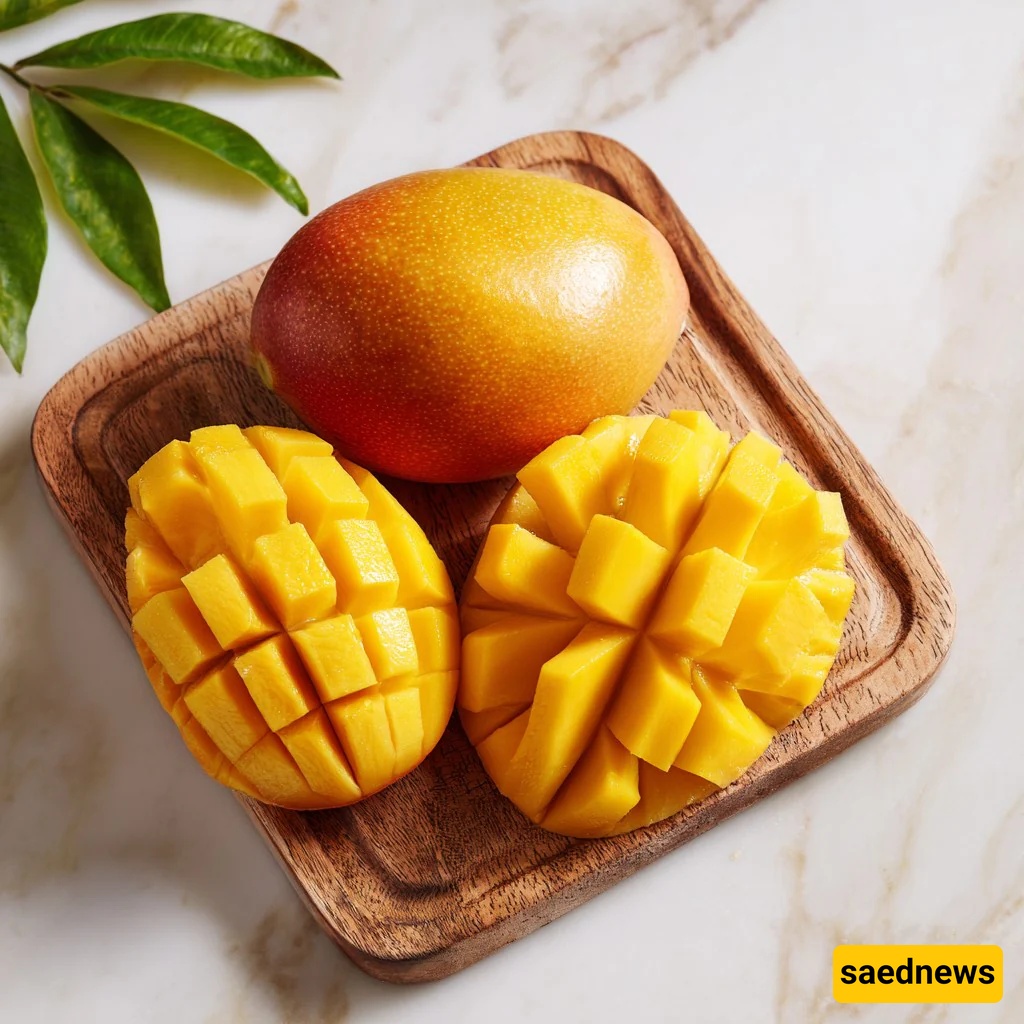
Mango contains less fructose than apples and pears. One cup of chopped mango provides about 7.7 grams of fructose.
The sugar composition in mango is more balanced and includes fructose, glucose, and sucrose. This may make it easier to digest for some people.
In one study, people with prediabetes who consumed about 300 grams of fresh mango daily showed improved blood sugar control and insulin sensitivity after 24 weeks.
4.Watermelon; Light and Juicy but Deceptive
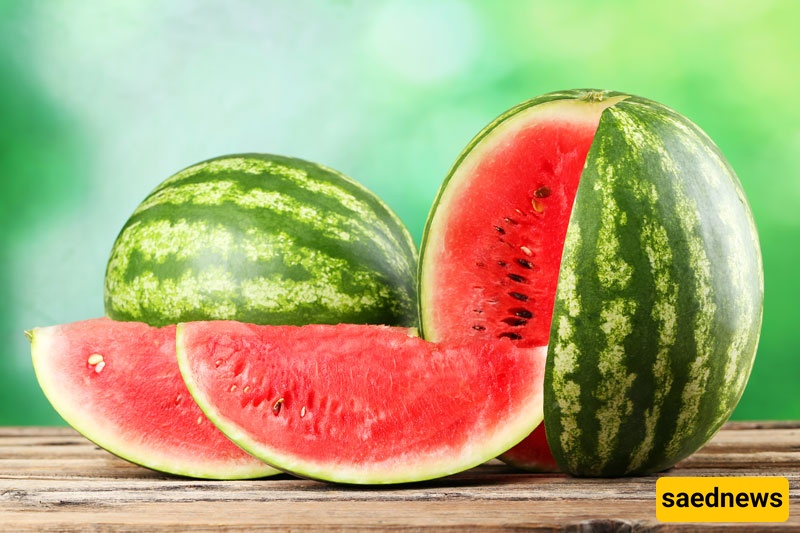
Watermelon is about 90% water and low in calories, but one cup contains about 5.1 grams of fructose.
Although watermelon has a high glycemic index (about 75), its glycemic load is low due to its high water content and low carbohydrates per serving.
Because watermelon is light and easy to eat, people may consume large amounts without noticing, which can increase fructose intake.
5.Strawberry; Sweet but Low in Fructose
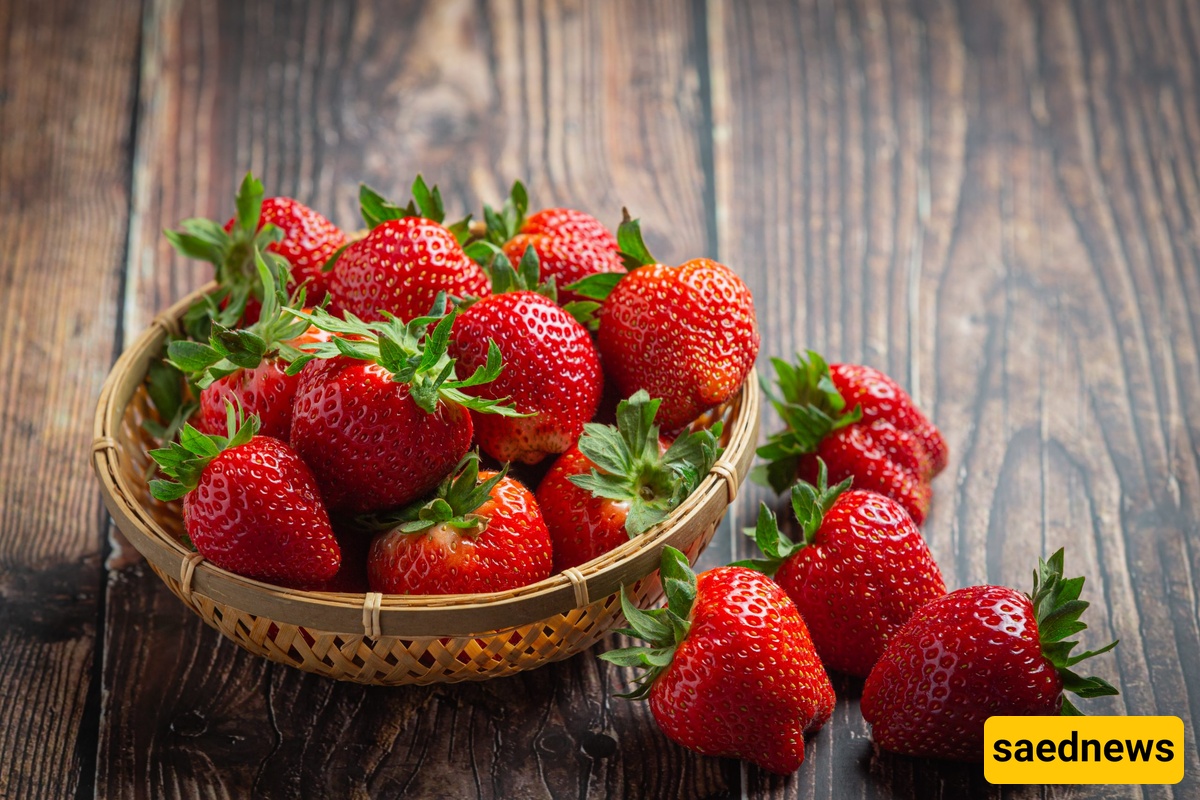
Strawberry is considered a low-fructose fruit. One cup of fresh strawberries contains only about 3.5 grams of fructose.
The nearly equal ratio of glucose to fructose in this fruit improves sugar absorption and reduces digestive issues. Its low glycemic index (about 25), fiber, and antioxidants such as polyphenols may also help control blood sugar and support heart health.
6.Avocado; Almost Fructose-Free
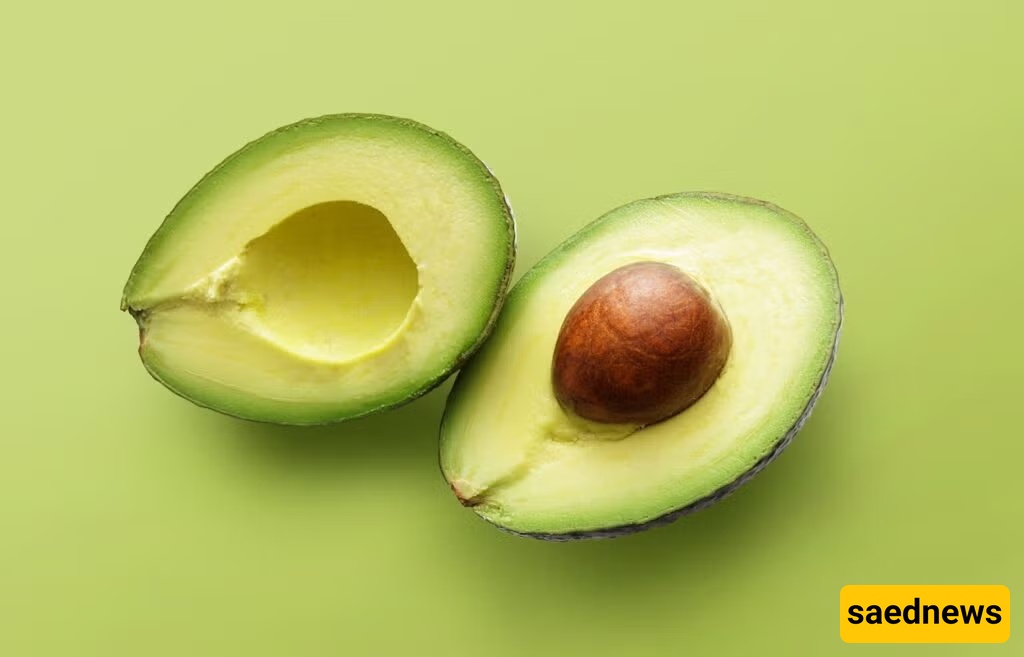
Avocado contains almost no fructose. One medium avocado has only about 0.1 grams of fructose.
This fruit is mainly known for its healthy fats and high fiber content and can help regulate blood sugar and support cardiovascular health.
For people with fructose intolerance, avocado is one of the best choices because it is very unlikely to cause digestive symptoms.
Not all fruits are the same. Apples and pears are among the highest-fructose fruits, while strawberries and especially avocados contain very little fructose.
For most people, moderate consumption of whole fruits is not harmful and is an important part of a healthy diet due to their fiber and nutrients. However, if you experience bloating, stomach pain, or digestive issues after eating certain fruits, paying attention to fructose levels may be helpful.