SAEDNEWS: The Istanbul Mosaic Museum is one of the oldest museums in Turkey, showcasing remarkable mosaics unearthed from the Great Palace of the Roman Empire.
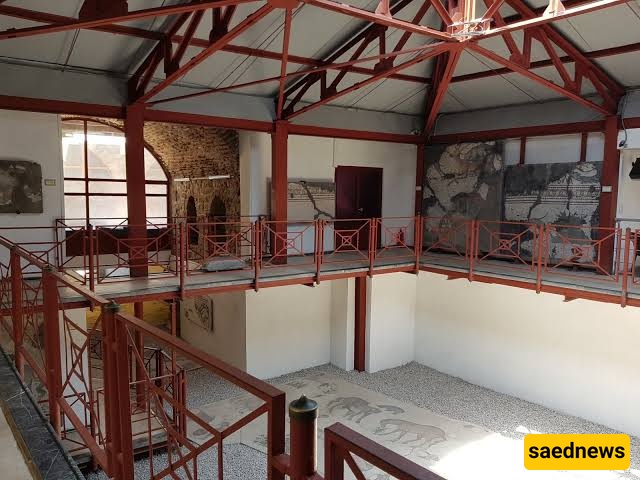
According to Saednews, The Istanbul Mosaic Museum is one of the oldest museums in Turkey. The mosaics displayed in the museum were discovered in the Great Palace, the magnificent residence of the first Roman emperors. The museum is located south of the Blue Mosque, inside the historic Arasta Bazaar.
The museum was built in the northeastern section of the vaulted courtyard of the Great Byzantine Imperial Palace, preserving and displaying parts of the original mosaic-covered area. The palace mosaics date mainly from AD 450 to 550, a period when these remarkable works were carefully designed and skillfully installed.
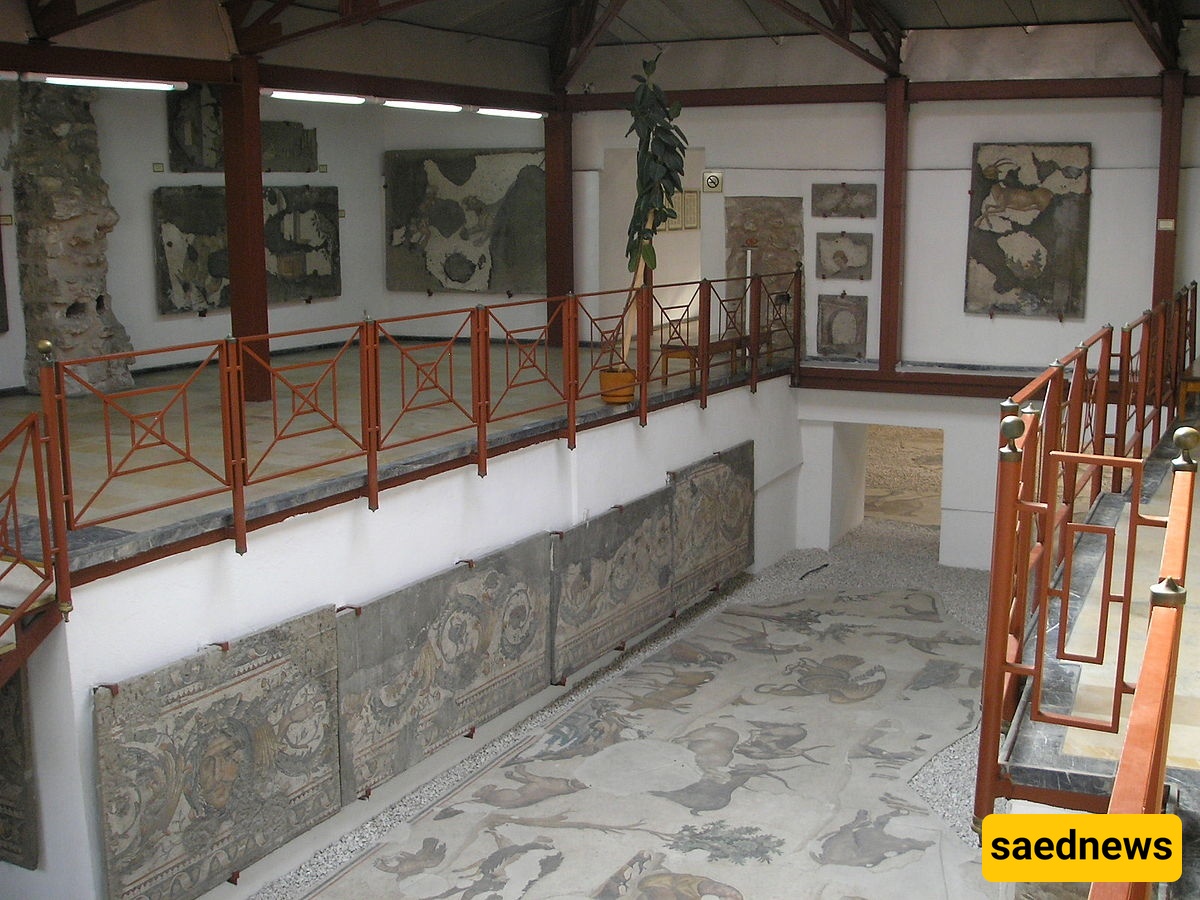
The entrance to the museum can be reached through Arasta Bazaar, close to the Blue Mosque.
To get there by public transportation, take the T1 tram line and get off at Sultanahmet Station. From there, walk toward Arasta Bazaar, where the entrance to the Istanbul Mosaic Museum is located.
The Istanbul Mosaic Museum began operating in 1953 under the Istanbul Archaeological Museums. In 1979, it became part of the Hagia Sophia Museum. Restoration and conservation work on the mosaics took place between 1982 and 1997.
According to archaeologists, many of the museum's mosaics date from the 6th century AD. They were originally used to decorate floors, columns, and walls.
The mosaics belong primarily to the Byzantine period and the Eastern Roman Empire. Some of the oldest examples discovered at the site date back to around the 2nd century AD and are considered extremely valuable historical artifacts.
The building that now houses the museum was once part of a vast imperial complex containing terraces, palaces, churches, courtyards, and gardens. Today, little remains of the original grandeur of the complex, but archaeological investigations have revealed important parts of it.
Excavations carried out between 1935 and 1938, and again between 1951 and 1954, uncovered the mosaics beneath and around Arasta Bazaar in Sultanahmet Square. British archaeologists discovered a large courtyard containing numerous Roman-style columns, with walls and floors decorated with elaborate mosaics.
The uncovered area covered approximately 1,872 square meters. Archaeologists estimate that the original mosaic floor contained around 80 million pieces made from materials such as limestone and glass.
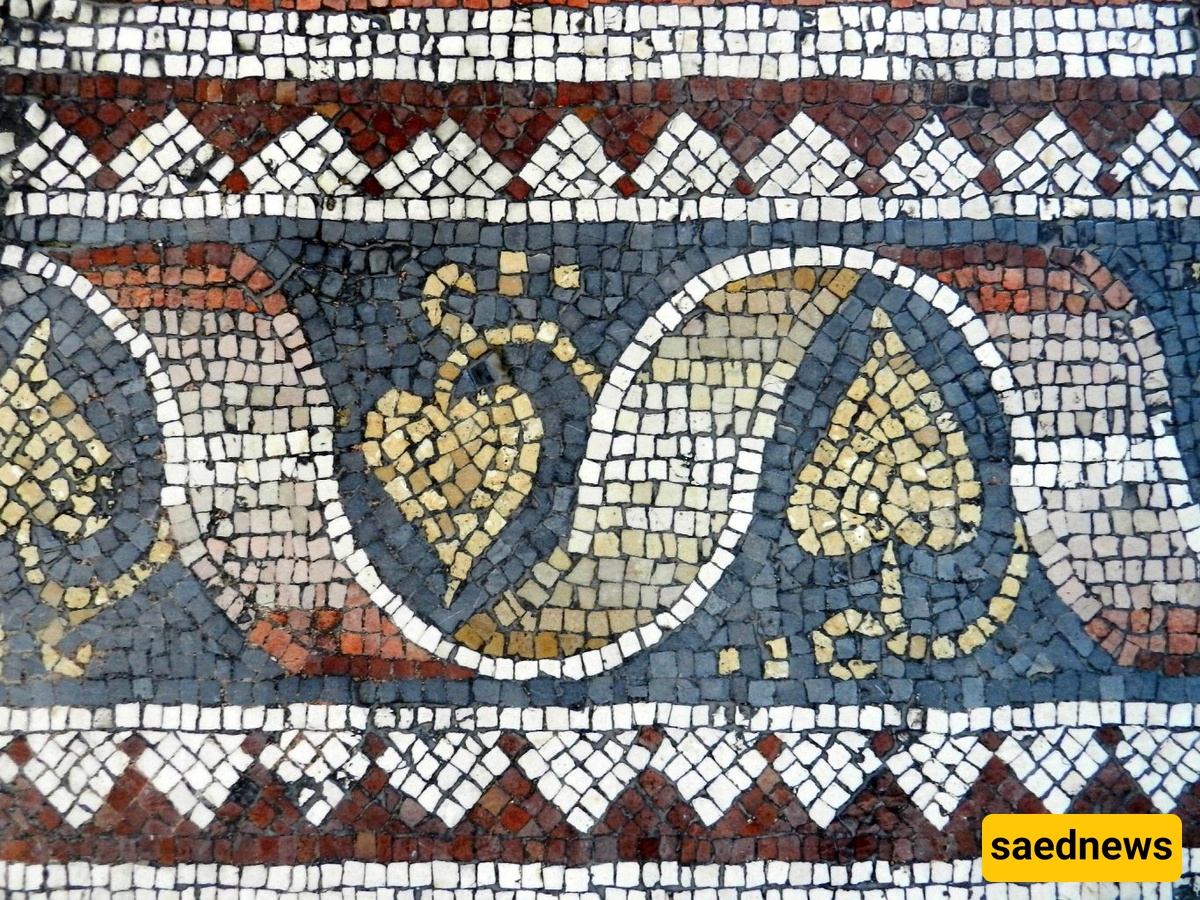
The Great Palace of Constantinople was the largest imperial palace complex of the Byzantine era. It was originally commissioned by Constantine the Great in the 4th century in Constantinople, present-day Istanbul.
Rather than being a single building, the palace was a vast complex consisting of several palaces, pavilions, courtyards, churches, baths, and other structures. It stood between the Hippodrome, Hagia Sophia, and the Sea of Marmara, in what is now Istanbul's Sultanahmet district.
Approximately two centuries later, the palace was expanded and renovated under Emperor Justinian, eventually covering an area of around 100,000 square meters. It continued to serve as an imperial residence for centuries.
During the period of the Fourth Crusade, particularly between 1204 and 1261, the Great Palace was largely abandoned as the imperial family moved to the Palace of Blachernae. Later, earthquakes and the gradual development of Constantinople contributed to the destruction of much of the complex.
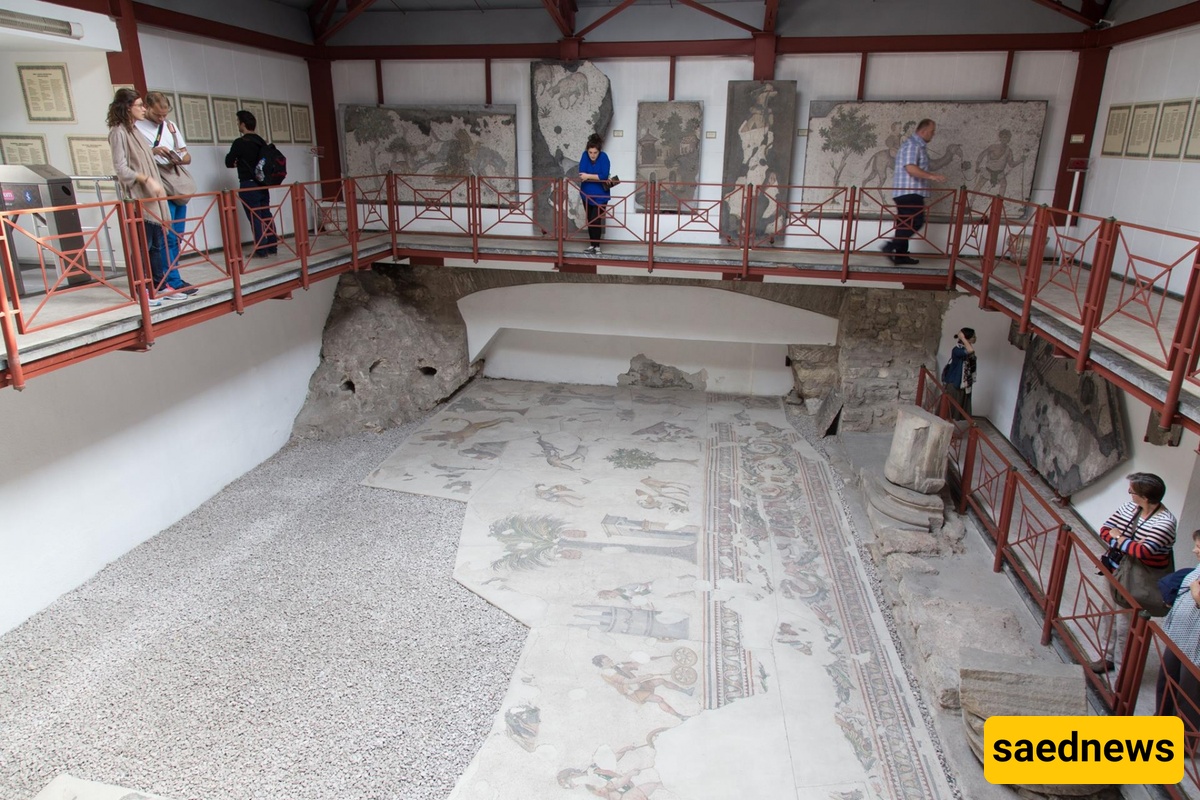
Archaeological investigations of the Great Palace began in the 1930s. In 1953, part of one of the surviving structures was reopened as the Mosaic Museum.
The mosaics displayed in the museum represent different periods of Byzantine history and are regarded as some of the finest surviving examples of Roman and Byzantine mosaic art.
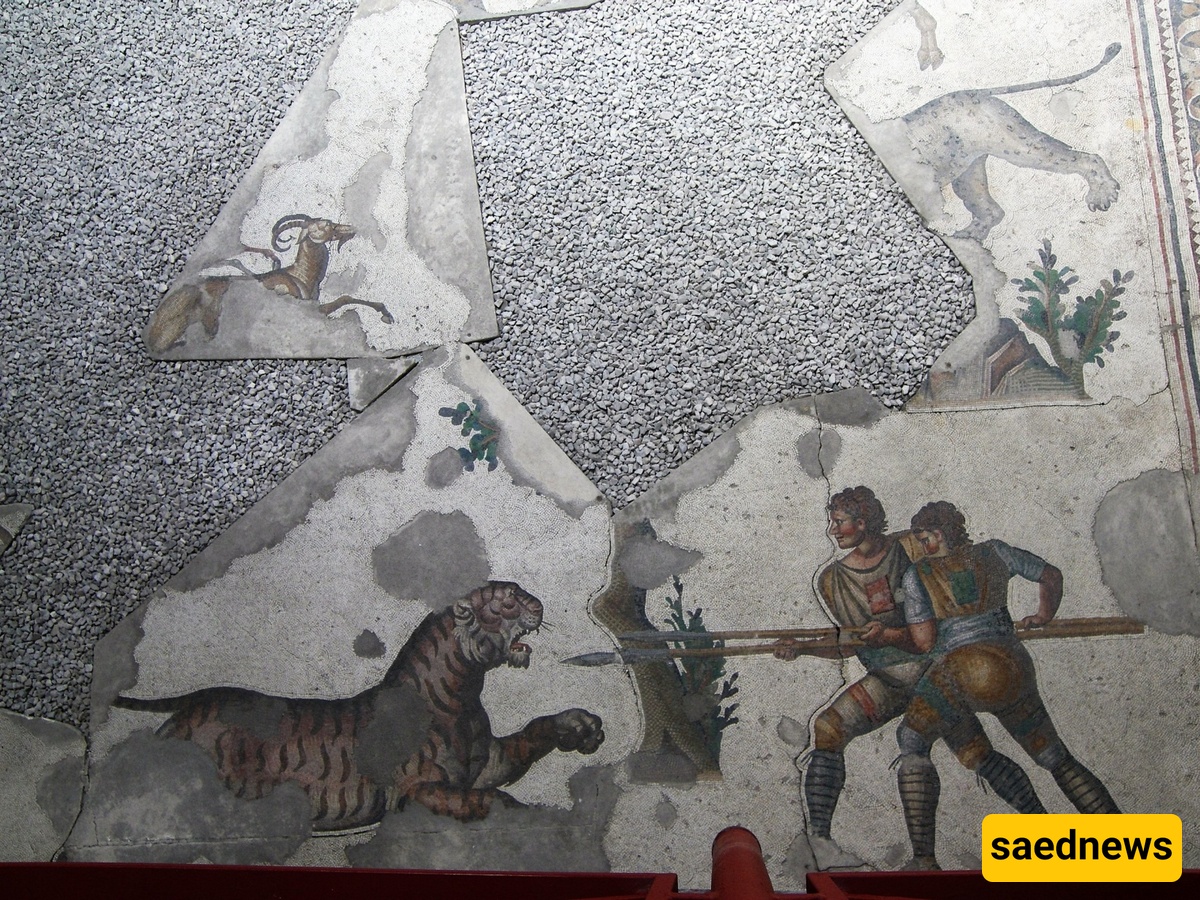
The mosaics are particularly interesting because many of their designs are inspired by nature, everyday life, hunting, and the surrounding world rather than exclusively religious subjects.
Among the scenes depicted are:
Griffins attacking or eating snakes
A dramatic confrontation between an elephant and a lion
People milking goats
A child feeding a donkey
Bears eating apples
A tiger confronting a hunter
Hunting scenes and images of animals
Everyday activities and scenes featuring ordinary people
These detailed compositions provide a fascinating glimpse into the artistic traditions and daily life of the late Roman and Byzantine periods.
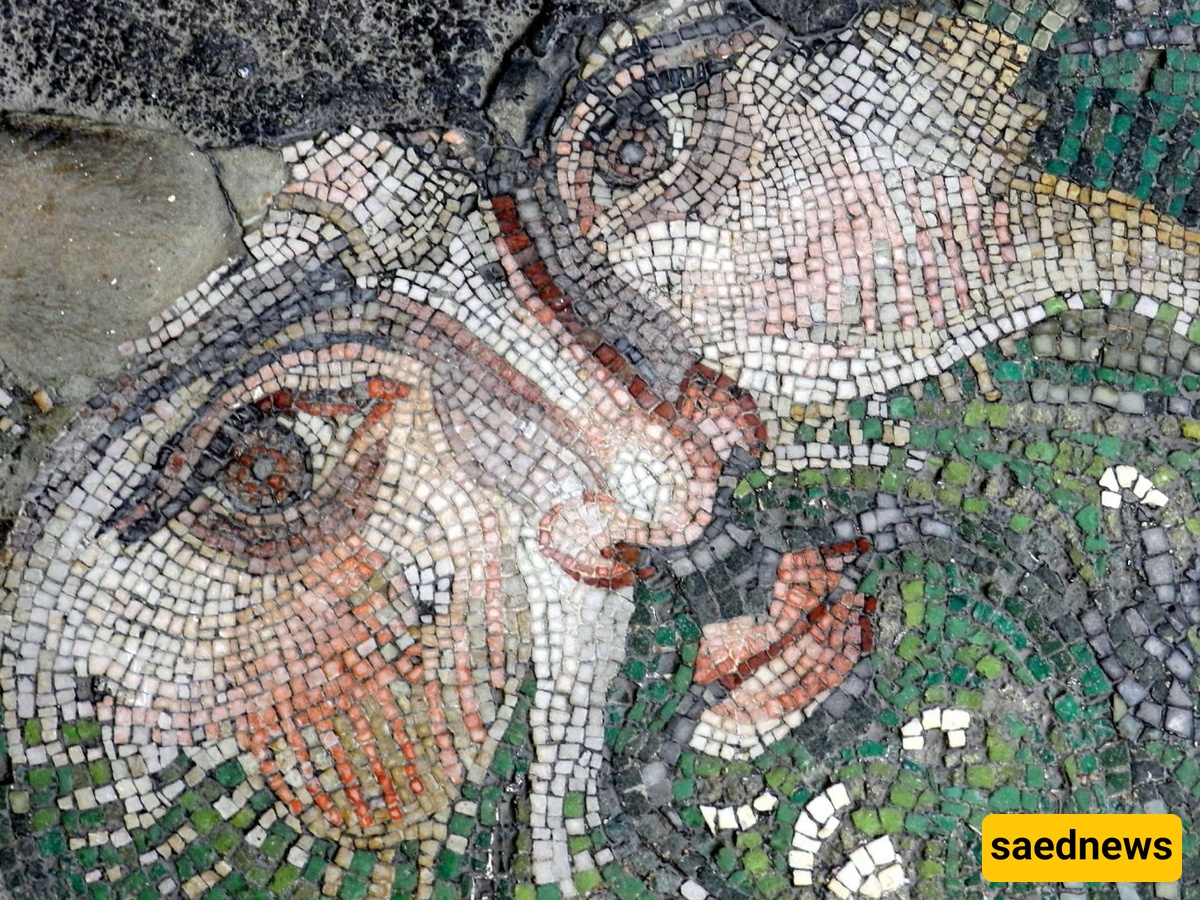
In addition to its ancient mosaic collection, the museum has facilities designed to make the archaeological site more engaging for visitors, including activities and educational spaces for children.
Depending on the current program, visitors may find a children's mosaic workshop, animation and educational activities using modern technology, conference facilities, and conservation-related displays.
According to the information provided:
Spring and summer: 9:30 AM–7:30 PM
Autumn and winter: 9:00 AM–6:30 PM
Closed: Mondays
Admission: 35 Turkish lira
Tickets are sold until approximately 30 minutes before closing time.
The museum is generally less crowded than some of Istanbul's major attractions, so advance online ticket reservations may not be necessary.
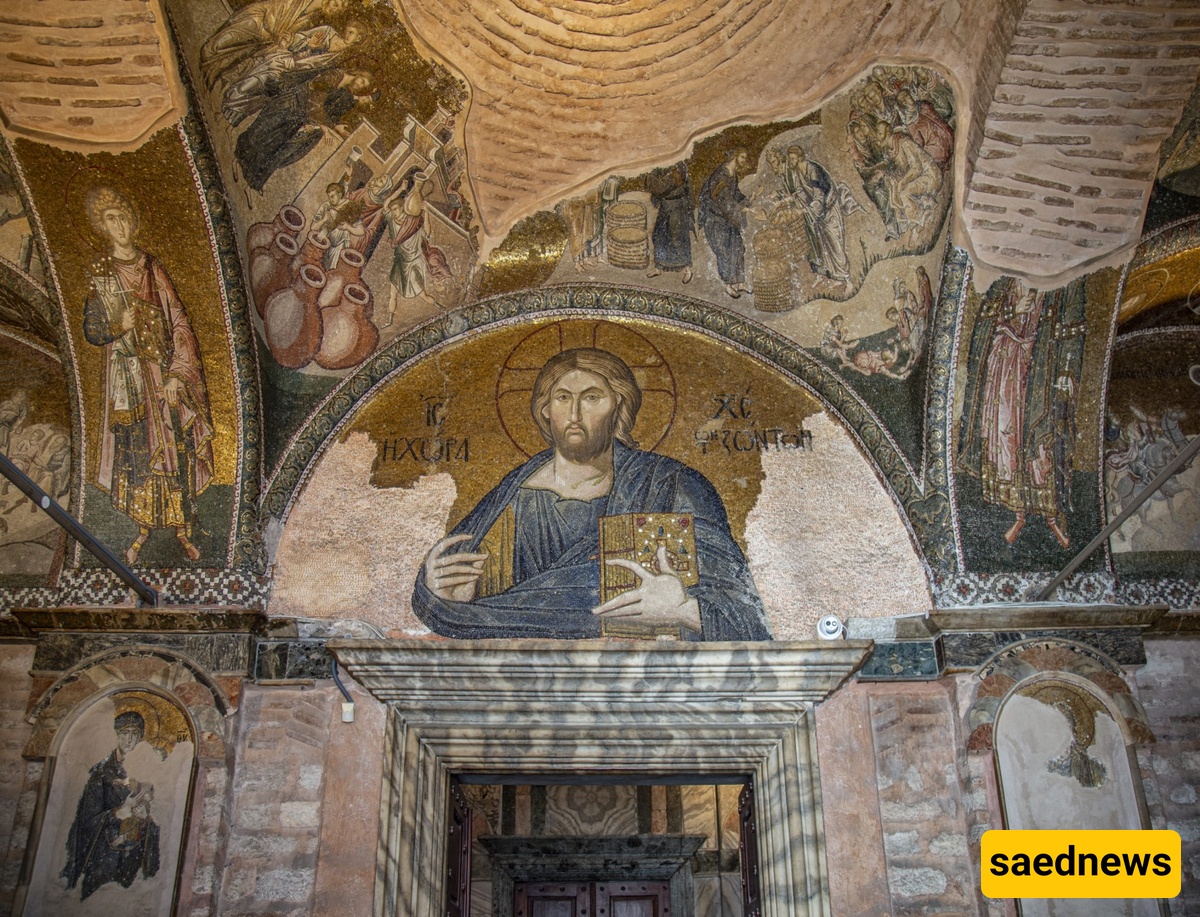
The Istanbul Mosaic Museum offers a rare opportunity to see a surviving section of the Great Palace of Constantinople and admire an extensive collection of ancient floor mosaics in their archaeological setting.
Its location in Sultanahmet also makes it easy to combine with visits to the Blue Mosque, Hagia Sophia, Hippodrome, and Arasta Bazaar. For travelers interested in Roman and Byzantine history, ancient art, and archaeology, the museum provides an unusually detailed look at life inside one of Constantinople's most important imperial complexes.