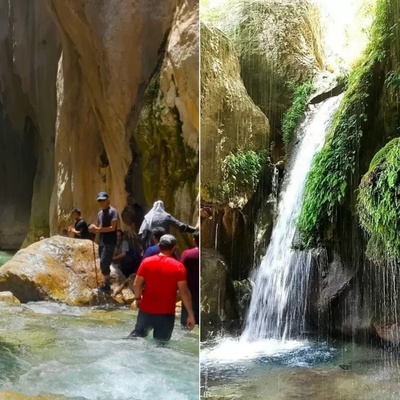
SAEDNEWS: Nodsheh Waterfall in Kermanshah Province is one of the most beautiful hidden waterfalls nestled in the Zagros Mountains. Surrounded by pristine nature and breathtaking landscapes, it is an ideal destination for nature lovers and outdoor enthusiasts.
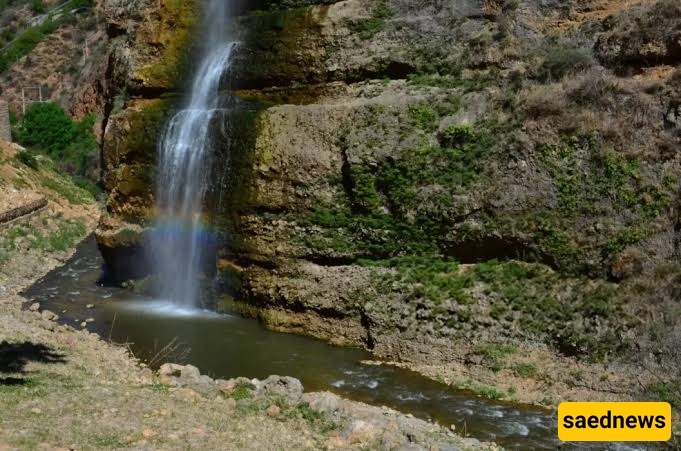
According to Saednews, Kermanshah Province, one of Iran’s prominent tourist destinations, has long attracted travelers with its ancient history, rich culture, and pristine natural landscapes. Among the province’s many natural attractions, its waterfalls hold a special place, with each offering the opportunity for a memorable journey. One of these lesser-known yet worthwhile natural wonders is Nodsheh Waterfall. Located near the village of Nodsheh in the heart of the Zagros Mountains, this beautiful waterfall offers visitors a refreshing blend of tranquility, natural beauty, and breathtaking scenery.
Nodsheh Waterfall is located in Kermanshah Province, within Paveh County, near the village of Nodsheh. The village itself is considered one of the province’s pleasant summer destinations and is situated about 25 kilometers from the city of Paveh along the Paveh–Nodsheh road. To reach the waterfall, you should first travel to Paveh. With its mountainous landscape and distinctive stepped architecture, Paveh is an appealing destination in its own right.
From Paveh, continue toward Nodsheh. The road is paved and relatively mountainous, offering beautiful views of green mountains and deep valleys along the way. After reaching Nodsheh, you will need to hike approximately 3 to 4 kilometers along a mountainous trail surrounded by oak, walnut, and wild fig trees to reach the waterfall. Although the trail can be somewhat challenging, its pristine scenery and pleasant air make the hike worthwhile. Along the way, the sound of flowing water and birdsong provide a peaceful natural soundtrack.
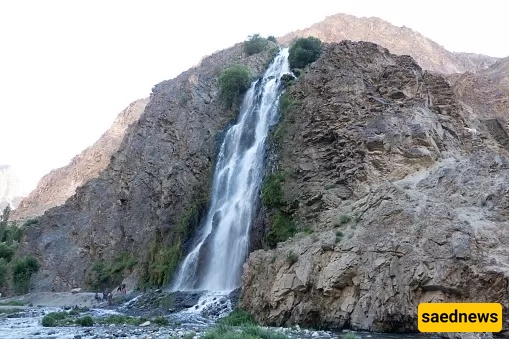
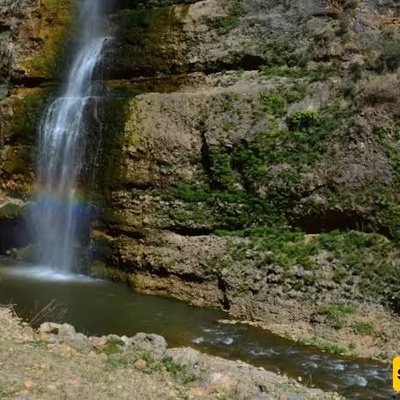
Nodsheh Waterfall, estimated to be around 15 to 20 meters high, cascades down steep limestone cliffs in the mountains. Its water is supplied by several mountain springs and melting winter snow. The waterfall flows throughout the year, although it reaches its highest flow during spring and early summer. A natural pool at the base of the waterfall provides an ideal place to rest and take photographs. Its clear, cool water offers a refreshing escape during warm summer days.
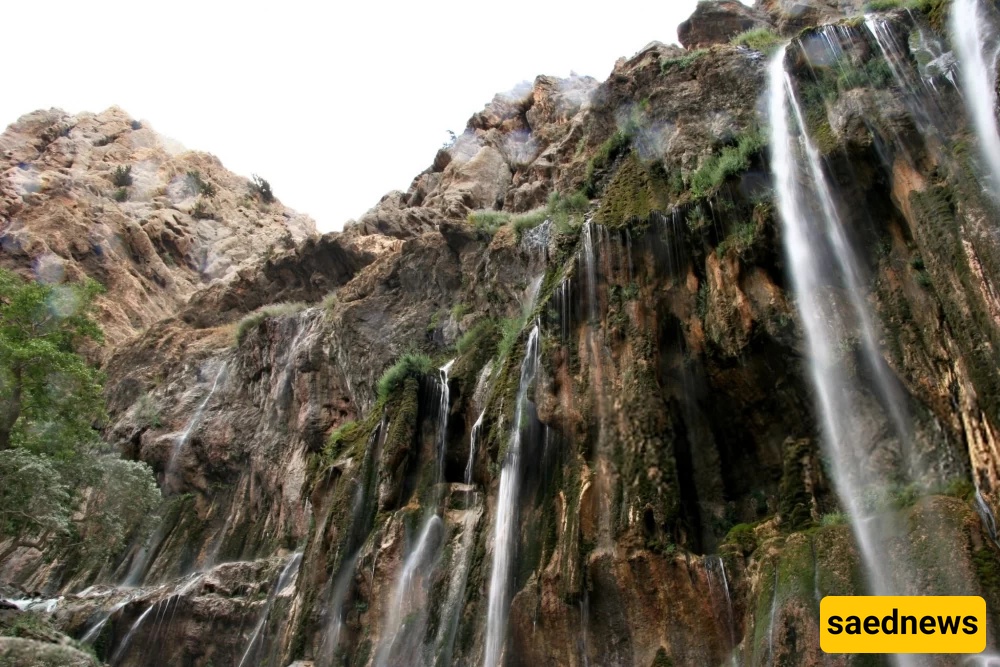
One of the waterfall’s most notable features is its setting within a lush valley covered with tall trees and wild vegetation. The area is home to a variety of plant and animal species. In spring, the slopes surrounding the waterfall are filled with colorful flowers and medicinal plants such as thyme, mint, and borage, filling the air with pleasant aromas. Walnut and wild fig trees growing around the area add further charm to the landscape.
The best time to visit Nodsheh Waterfall is during spring, from early April to late June, and in early summer, particularly July. During this period, the waterfall is at its fullest and most powerful, while the surrounding landscape is at its greenest and most vibrant. The weather is generally mild and pleasant, making it ideal for hiking and nature walks.
Autumn can also be an attractive time to visit, as the golden and orange foliage creates a beautiful, dreamlike landscape. However, the waterfall may have a lower flow during this season. Winter visits are generally not recommended because of the severe cold, possible snowfall, and slippery trails.
The Nodsheh and Paveh region offers several attractions that can easily be combined with a visit to the waterfall:
Nodsheh Village: Known for its stepped architecture and stone-built character, Nodsheh is regarded as one of Iran’s picturesque villages. Its stone-paved alleys, traditional houses, and panoramic mountain views make it appealing to photographers and travelers.
Piran Waterfall: Another waterfall can be found in the wider area around Nodsheh. Piran Waterfall is taller and offers impressive scenery.
Paveh: With its local market, historic Jameh Mosque, and mountainous surroundings, Paveh is one of Kermanshah Province’s notable destinations.
Quri Qaleh Cave: Located near Paveh, this is one of Iran’s largest and most beautiful limestone caves.
Gawrood Gorge: A deep, lush valley surrounded by towering cliffs and a fast-flowing river, suitable for hiking and nature exploration.
To enjoy a safe and pleasant trip to Nodsheh Waterfall, keep the following points in mind:
Wear suitable footwear: The trail is mountainous and rocky, so sturdy hiking or walking shoes are recommended.
Bring enough water and food: There are no shops or restaurants along the trail, so bring sufficient drinking water and food with you.
Dress appropriately: Even during summer, the mountain air can be cool. Bring a light jacket or windbreaker. A hat and sunscreen are also useful for protection from the sun.
Plan your time carefully: Start your hike early in the morning so that you have enough time for walking, resting, sightseeing, and returning. Avoid traveling on the trail at dusk or at night.
Protect the environment: Take all your waste with you and dispose of it properly. Avoid breaking branches or damaging vegetation, and respect the local wildlife.
Consider hiring a guide: If you are visiting the area for the first time, a local guide can help you follow the correct route and avoid potential hazards.
Charge your phone: Mobile reception can be weak in mountainous areas. Make sure your phone is fully charged before setting out and, if possible, carry a power bank.
Exercise caution around the waterfall: The rocks surrounding the waterfall can be slippery. Avoid getting too close to the edge or jumping into the pool.
The people of the Paveh and Nodsheh region are predominantly Kurdish and speak Kurdish, particularly the Hawrami dialect. They are known for their hospitality, warmth, and strong connection to local traditions. The traditional clothing worn by local women and men is colorful and distinctive.
Local customs, including wedding ceremonies, Nowruz celebrations, and Muharram mourning ceremonies, are observed with particular importance. Traditional handicrafts such as kilim weaving, jajim weaving, and handmade wooden products are also among the region’s notable souvenirs.
When visiting the area, respecting local culture, traditions, and customs is an important part of responsible tourism.