SAEDNEWS: Granada is a city renowned for its rich history and magnificent architecture. Its remarkable landmarks date back thousands of years, with influences from the Roman and Moorish eras. It is considered one of the most beautiful cities in Spain, offering a cultural diversity that is difficult to find elsewhere in the country.
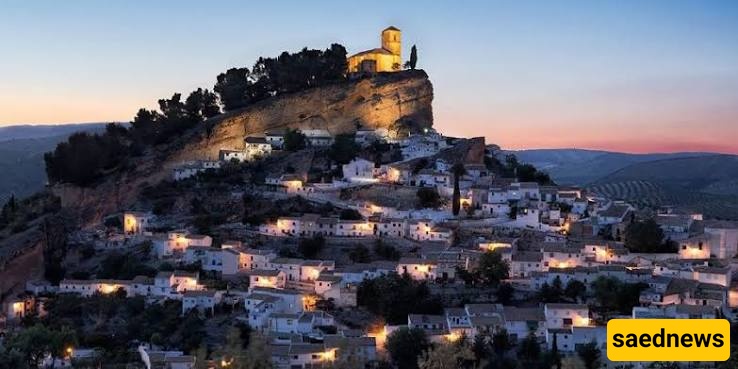
According to Saednews, Granada is the capital of the province of the same name and a small city in southern Spain. Many travelers consider Granada one of Spain’s most valuable tourist destinations because of its universities, festivals, museums, and numerous cultural attractions.
Granada’s mild climate makes it a popular summer retreat compared with other cities in southern Spain and Andalusia. Its cool summer evenings, combined with its location about an hour from the coast, attract visitors from surrounding cities. However, spring and autumn remain the most popular seasons for tourists, when temperatures are neither too hot nor too cold.
Flights to Granada Airport operate from many Spanish cities throughout the week. The airport is approximately 12 kilometers from the city center, and the journey can be made by taxi or bus.
Taxis are relatively expensive, while buses are more affordable. Airport buses generally depart about once an hour, and the journey to their final stop at Congress Square takes less than an hour.
Besides flying, travelers can also reach Granada from other Spanish cities by bus or train. Once in the city, many of Granada’s main attractions can easily be reached on foot from the center.
The Alhambra is Granada’s most famous attraction. This magnificent palace and fortress was built under the Nasrid dynasty and sits on a hill overlooking the city. It served as a royal residence and was home to numerous rulers throughout its long history.
The complex also includes the Alhambra Museum, which houses historical objects from Granada, and the Granada Museum of Fine Arts, featuring notable examples of Arab and Spanish art.
The extensive gardens leading toward the Alhambra are known as the Generalife. They served as a retreat and place of relaxation for the Muslim rulers of Granada.
The Alhambra, Generalife, and surrounding historic areas are listed as a UNESCO World Heritage Site and represent one of Spain’s major tourist attractions.
Another important historic district is the Albaicín, an ancient neighborhood located west of the Alhambra hill. Walking through its narrow streets, enjoying a meal at an outdoor café, or browsing its small shops can be a simple and enjoyable way to experience Granada.
The Albaicín is also part of Granada’s UNESCO World Heritage heritage and is particularly popular with visitors.
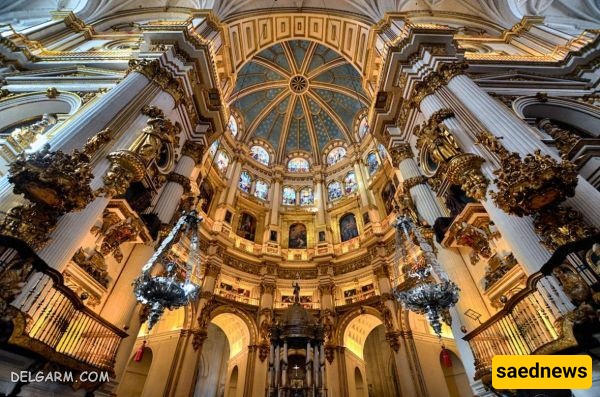
Granada Cathedral is not far from the Albaicín. It was built following the victory of the Catholic Monarchs in the 15th century and became an important center of royal authority in Granada.
The cathedral complex has been damaged and rebuilt several times throughout history. Its architecture, sculptures, and statues depicting Spanish monarchs make it an interesting place to visit.
Jewelry and ceramic pottery are among Granada’s notable traditional crafts. Handwoven carpets, many of which still feature traditional Arabic-inspired patterns, are another important local product.
Visitors should be careful when purchasing carpets and other valuable goods. Apart from the possibility of being sold counterfeit or low-quality products, keeping an official receipt is important because customs authorities at the airport may ask for proof of purchase when you leave Spain.
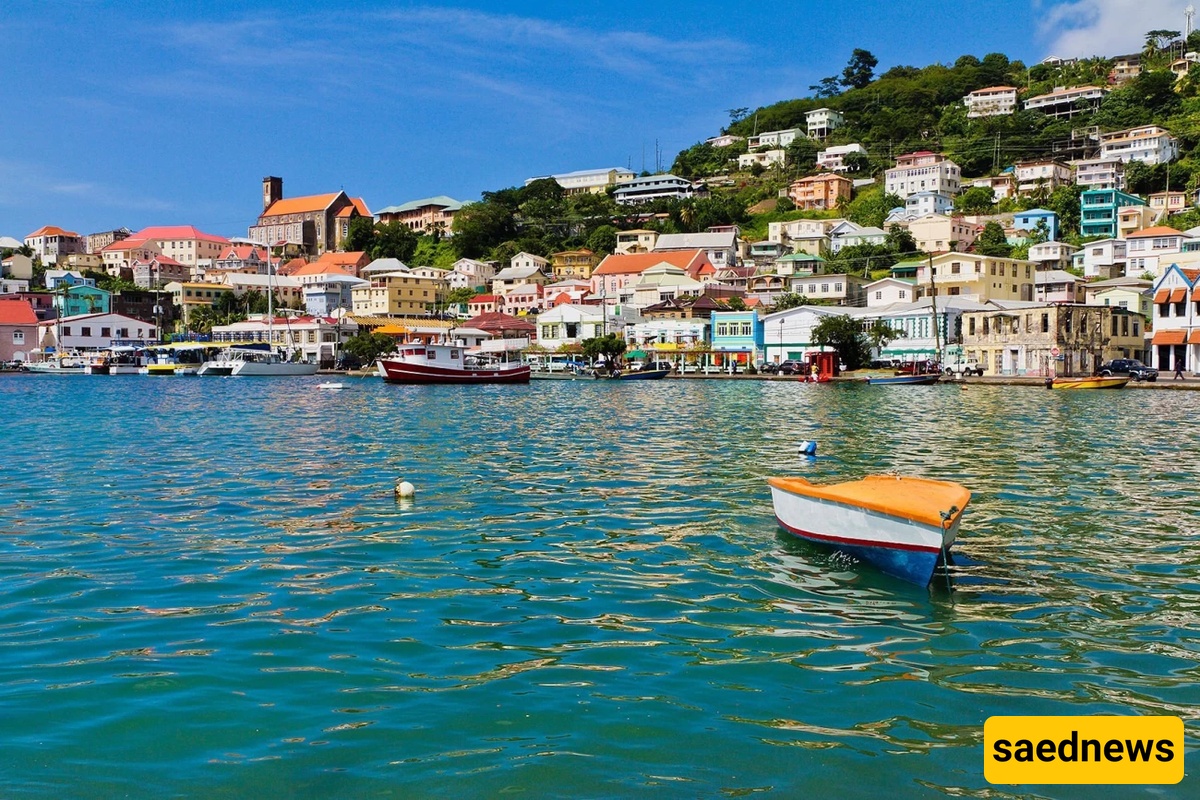
Granada’s turbulent and diverse history has created a city where different cultures have influenced one another. This cultural mixture can also be seen in the local cuisine.
Spanish-style stews and tapas served with drinks may not appeal to every traveler, but Granada’s famous grilled ribs are considered one of the city’s specialties and are well worth trying.
Spain is famous for its music and dance, and this tradition is especially visible in a cultural city such as Granada.
In Sacromonte, the traditional neighborhood historically associated with Granada’s Roma community, visitors can encounter numerous musicians and singers. Seeing an eight-year-old child playing the guitar remarkably well or hearing the powerful voice of an elderly singer is not unusual here.
Granada is also closely associated with Federico García Lorca, the famous Spanish poet and writer.
Lorca was born in the Granada region and was killed at the age of 38 during the Spanish Civil War. Granada and its Roma community were major sources of inspiration for his work, and he has often been associated with the image of the “gypsy poet.”
His legacy remains highly visible throughout Granada, where numerous places and cultural activities are connected with his name.
One of the city’s major literary events is the Granada Poetry Festival, whose prize is named after García Lorca and is awarded to outstanding poetry.
Another important annual cultural event is the International Film Festival, which attracts filmmakers from around the world and has also featured considerable attention to Iranian cinema.
Granada is the kind of city that can make you feel that your stay was too short whenever it is time to leave.
Many travelers arrive expecting a small city that can be explored in two or three days. Yet Granada’s magical sunsets, ochre and blue houses, gently sloping cobblestone streets, and sounds of music and dance can make leaving surprisingly difficult.
Granada is a city with a rich history and remarkable architecture. Some of its architectural heritage dates back thousands of years, including periods associated with the Romans and the Moors, the Muslim rulers of medieval Spain.
The city has long been a meeting point for different cultures, combining influences from North Africa and Europe. Moorish culture has had a particularly strong influence on Granada, visible in its traditional cuisine, architecture, neighborhoods, and historic monuments.
It is widely regarded as one of Spain’s most beautiful cities, offering a remarkable combination of historical and cultural influences.
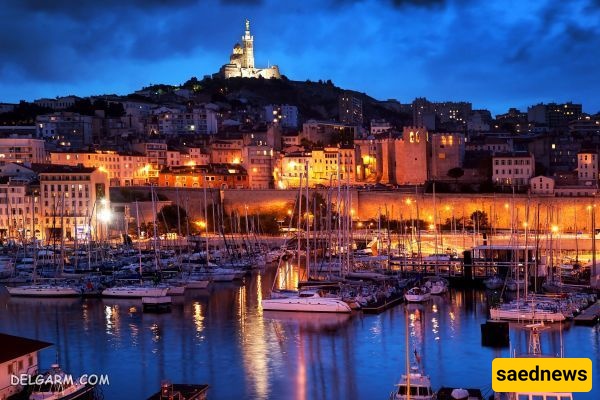
Hostels in Granada can be quite affordable. A bed in a hostel generally costs around €13–€20 per night.
A private double room typically costs around €30–€50 per night.
Budget hotels generally start at around €35–€70 per night for a double room.
A cheap meal or a serving of tapas can cost approximately €6–€13. If you order a drink as well, you may spend around €18 per meal.
A meal at a good restaurant in Granada costs approximately €24.
Affordable fast-food options such as McDonald’s and Maoz cost around €6. If you prefer to prepare your own meals, groceries for one week may cost approximately €36.
A single bus journey costs around €1.20, and buses can take you to most parts of Granada.
You can also purchase bus travel cards for €5, €10, or €20, which can significantly reduce transportation costs if you plan to use public buses frequently.
Many restaurants and cafés in Granada offer free tapas when you order a drink with your meal. This can be an easy way to enjoy local food while keeping your travel budget under control.