SAEDNEWS: The National Museum of Georgia was established through the integration of several galleries and museums in Tbilisi, the capital of Georgia. It houses and showcases an impressive collection of historical and artistic works.
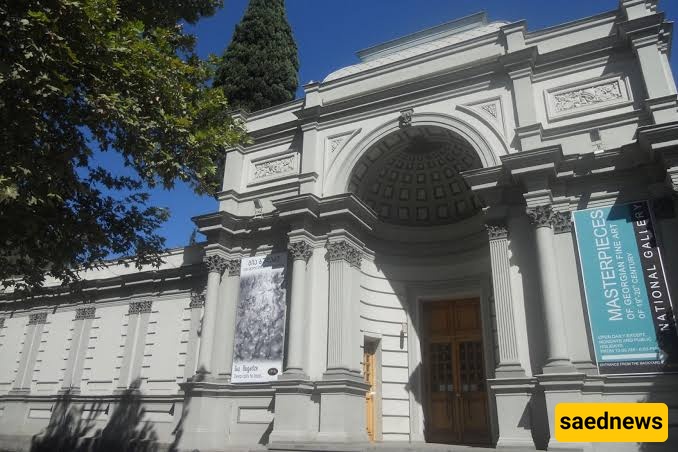
According to Saednews, The Georgian National Museum, located in Tbilisi, the capital of Georgia, is one of the country’s most important cultural attractions. With numerous galleries and exhibition halls, the museum attracts visitors from around the world every year. If you want to gain a deeper understanding of the history, culture, and development of Tbilisi, a visit to the Georgian National Museum can be a fascinating experience.
The museum houses an impressive collection of artworks and historical objects, some dating back thousands of years. Its collections include ancient books, valuable wooden and glass artifacts, weapons, paintings, traditional textiles, archaeological discoveries, and religious objects.
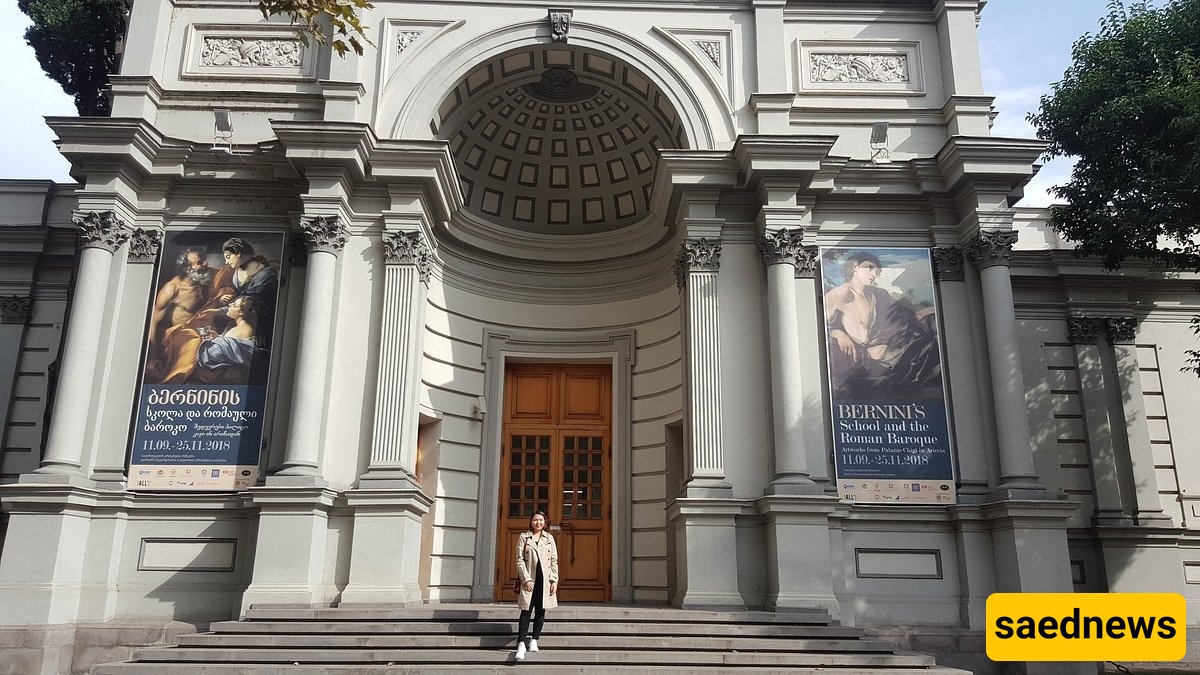
The Georgian National Museum is considered one of the major tourist attractions in Tbilisi and can be an important stop on a trip to Georgia. Because Georgia has historically been connected with the wider cultural and political sphere of the Iranian world, the museum contains collections representing different periods of regional history, including artifacts associated with the Achaemenid and Qajar eras. Some of the paintings and cultural objects on display are connected with Persian and Iranian artistic traditions.
Tbilisi and the wider Caucasus region have experienced major political changes throughout history. The Treaty of Gulistan in 1813 was one of the important agreements that reshaped the political map of the Caucasus and transferred territories from Qajar Iran to the Russian Empire. As a result of these historical connections, visitors can find a variety of Iranian-related artifacts and artistic works within the museum’s collections.
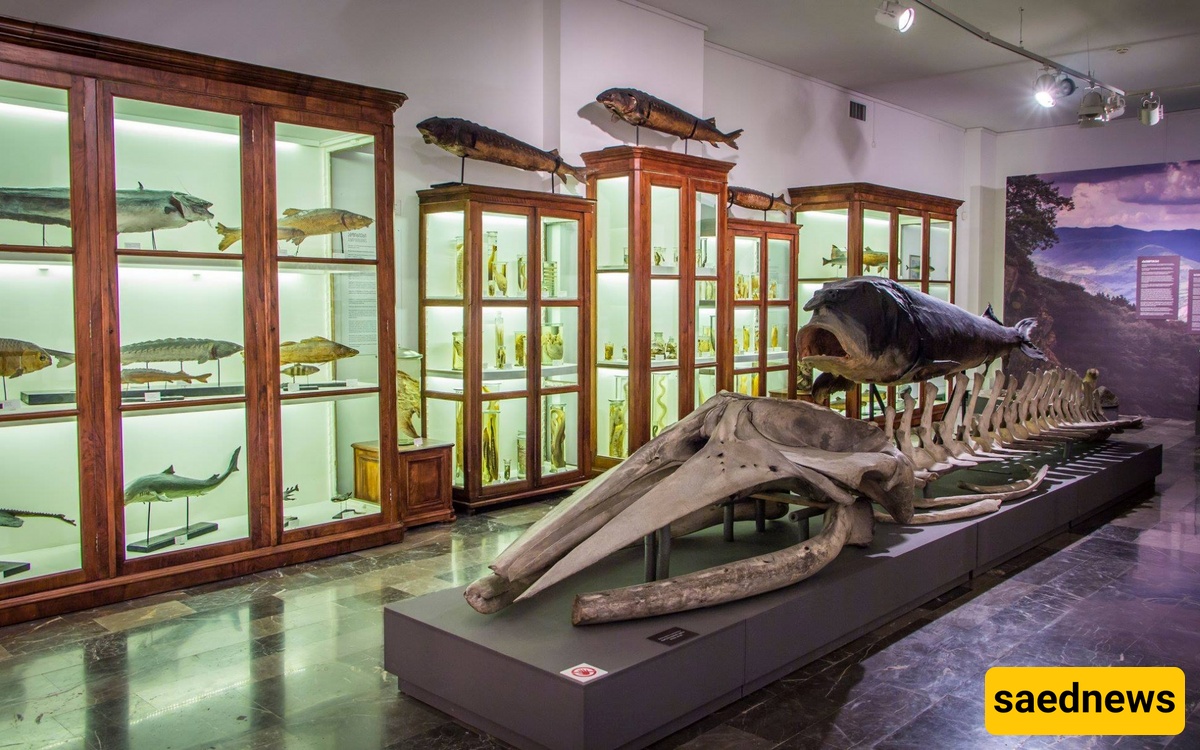
The history of the museum system in Tbilisi goes back nearly two centuries. One of the important foundations of Georgia’s modern museum collections was established during the period of the Russian Empire. Over the decades, the institutions and collections experienced numerous changes, including relocations, reorganizations, changes in names, and the transfer of historical documents and objects.
In 1921, after the Bolshevik takeover of Tbilisi, a number of valuable historical objects were removed from Georgia and transferred to Europe. Some of these collections were eventually returned after the Second World War, helping to restore important parts of Georgia’s cultural heritage.
The present-day Georgian National Museum system was reorganized in 2004 and brings together several major museums, galleries, and research institutions in Georgia. Its principal museum building is located on Rustaveli Avenue, one of the best-known streets in central Tbilisi.
The Georgian National Museum is not simply a single exhibition building. It represents a network of museums and cultural institutions that collectively preserve and present Georgia’s archaeological, historical, artistic, and ethnographic heritage.
The Georgian National Museum system includes several important institutions, such as:
Museum of Soviet Occupation
Tbilisi History Museum
Samtskhe-Javakheti History Museum
Museum of Georgia
Open-Air Museum of Ethnography
Archaeological and historical collections
Svaneti Museum of History and Ethnography
National Gallery
Archaeological research institutions
Sighnaghi Museum
Vani Archaeological Museum and Reserve
Together, these institutions preserve thousands of valuable historical and cultural objects.
The Georgian National Museum complex includes interconnected buildings and exhibition spaces. Its architecture and collections reflect the country’s long and diverse history, from prehistoric times to the modern era.
Visitors can discover a wide range of historical and artistic objects, including:
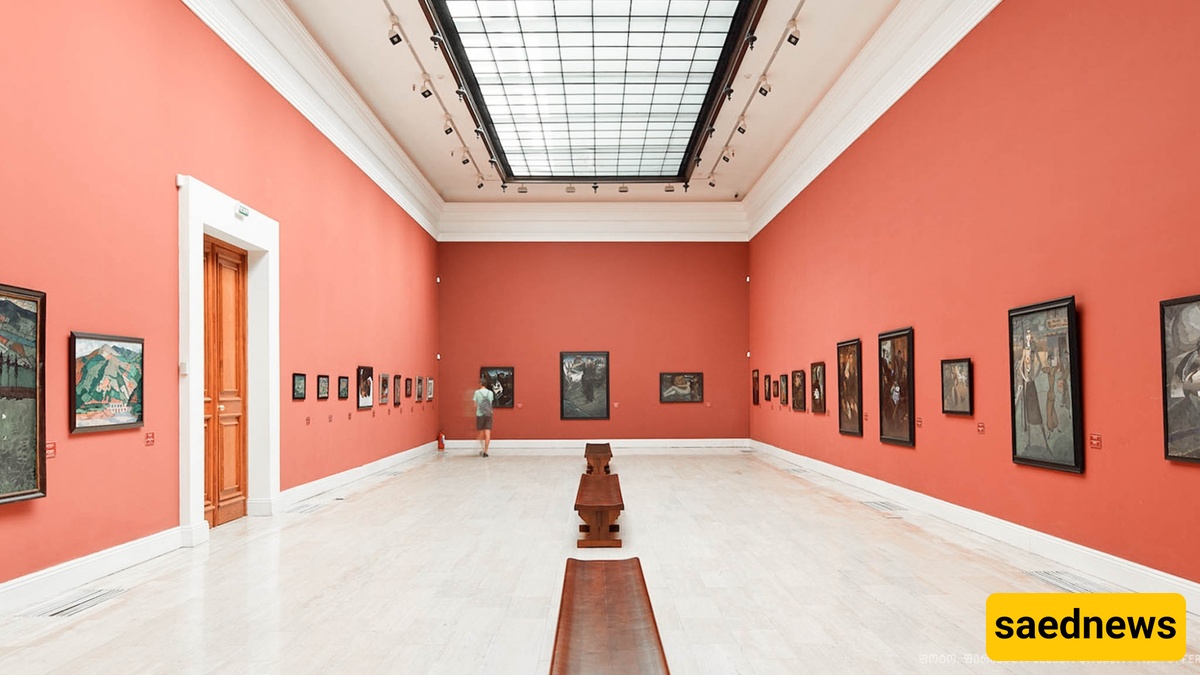
Paintings from the Qajar period
Ancient manuscripts and Qurans
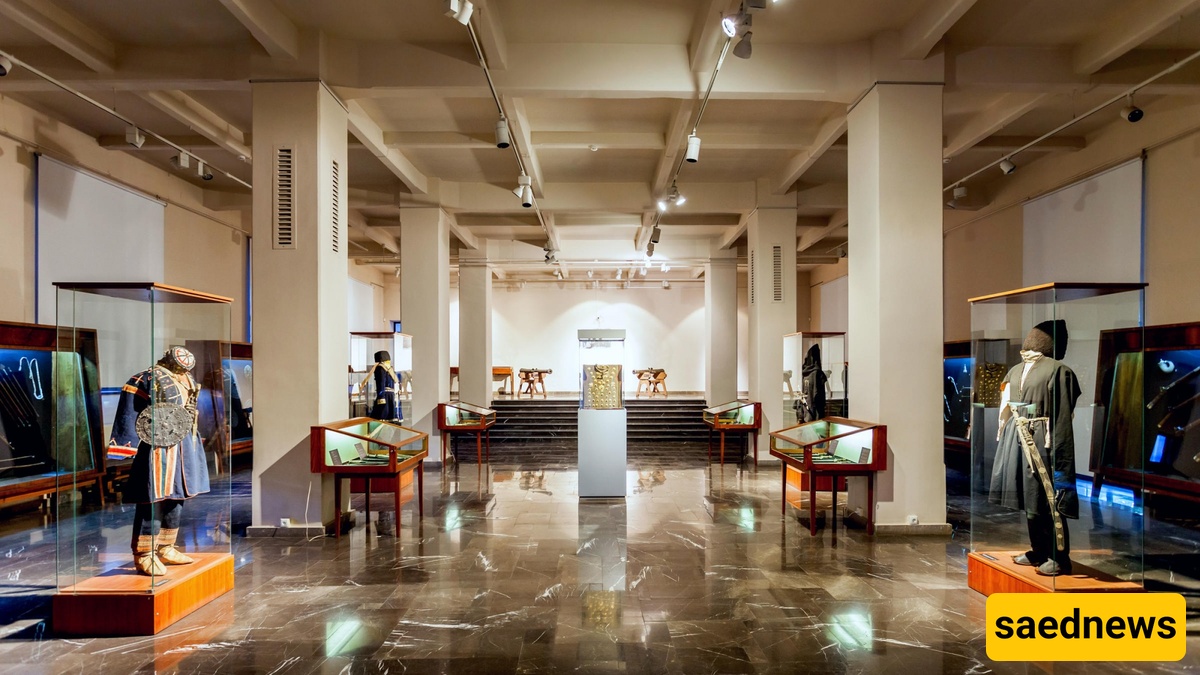
Swords and other historical weapons
Paintings on glass
Metal vessels and decorative objects
Shields and helmets
Wooden artifacts
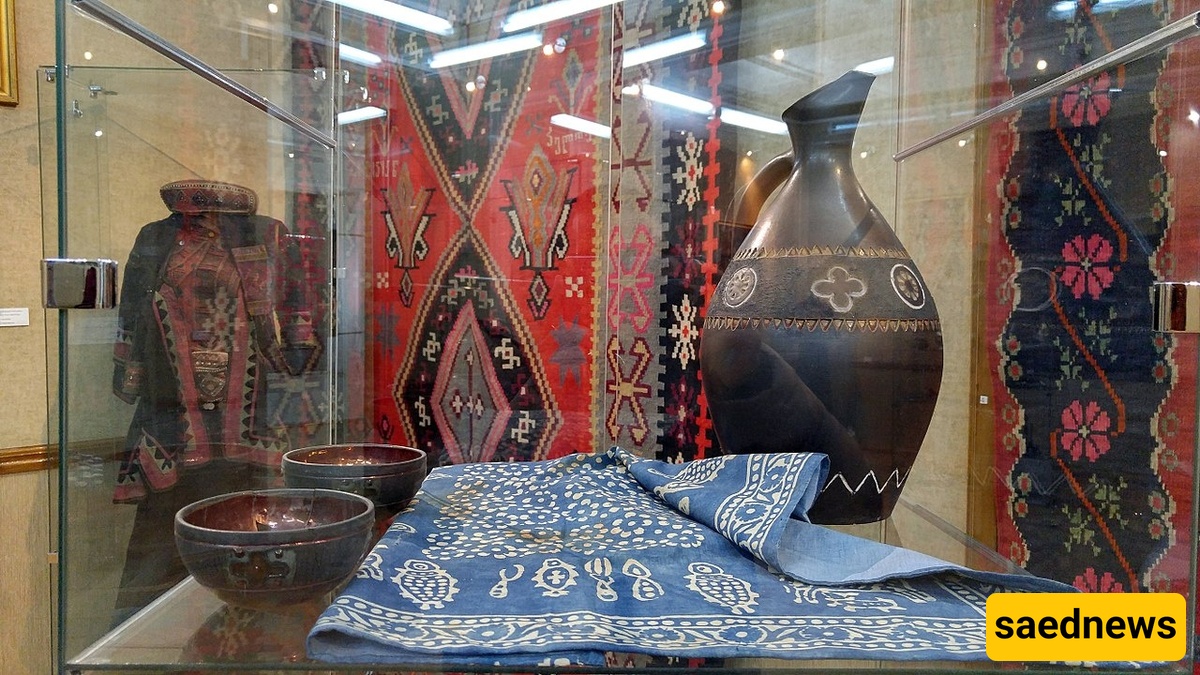
Traditional carpets and handwoven textiles
Islamic-style decorated tiles
Iranian glass and stone vessels
The museum also features important works associated with Eastern and Western European artists, a notable collection of medieval Christian art, silver and gold objects, jewelry from the ancient land of Colchis, and historical artifacts connected with Russia.
One of the museum’s exhibition areas features works by prominent Iranian artists from the Qajar period, offering visitors an opportunity to explore artistic connections between Georgia and Iran.
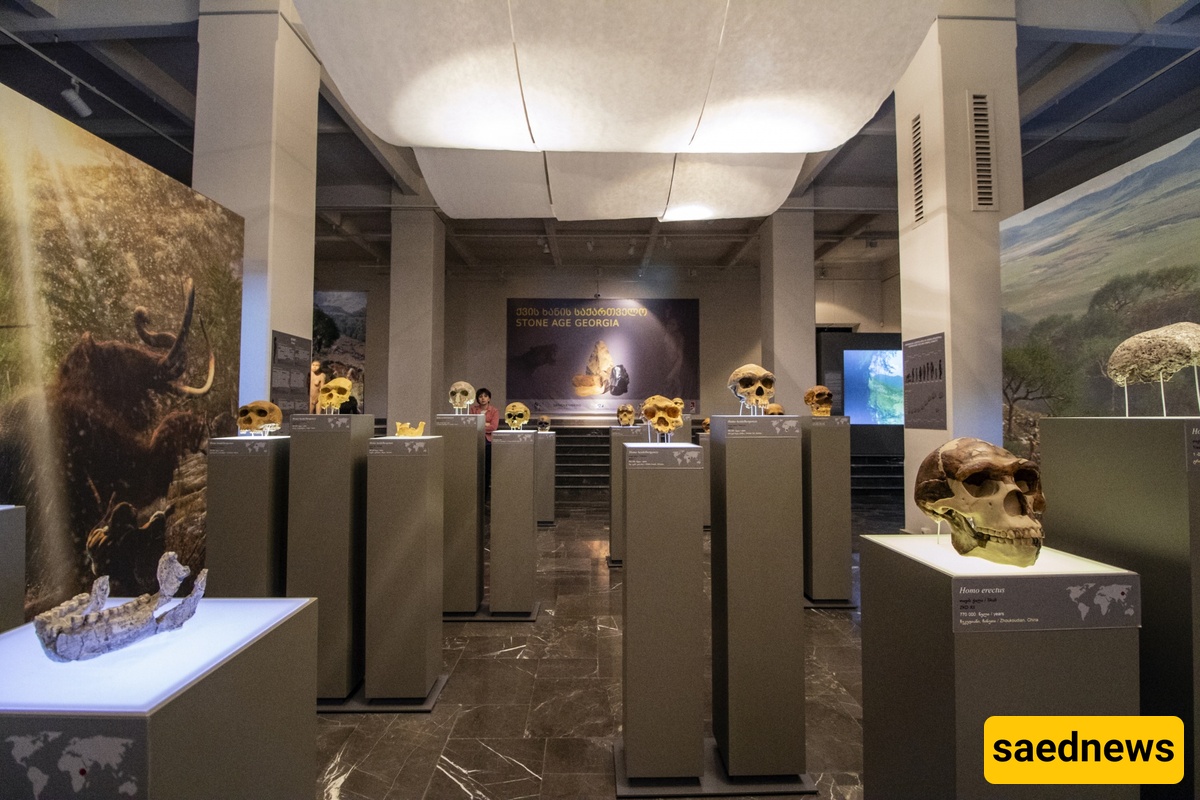
The collections of the Georgian National Museum cover an exceptionally long period of human history. Among the most remarkable prehistoric discoveries associated with the museum is evidence from the early human remains discovered in Georgia, particularly the famous archaeological site of Dmanisi, which provides important evidence about early human migration outside Africa dating back around 1.8 million years.
The museum also displays prehistoric stone inscriptions and archaeological objects from different periods.
Some exhibits date to the Bronze Age, while others represent ancient Caucasian civilizations and cultures. These collections provide valuable insight into the people who lived across the Caucasus thousands of years ago.
Among the archaeological discoveries are objects recovered from sites such as Trialeti, including precious metal vessels, gold and silver objects, ceramics, jewelry, and other artifacts. These discoveries demonstrate the sophisticated craftsmanship of ancient communities in the region.
Visitors can also see historical weapons dating from the 5th and 6th centuries, gold vessels, traditional clothing, carpets, and objects produced by earlier craftsmen.
The Museum of Soviet Occupation presents a much more recent chapter of Georgian history. Its exhibitions focus on the Soviet period and Georgia’s struggle for independence, making it particularly interesting for visitors who want to learn more about the country’s modern political history.
A visit to the Georgian National Museum offers more than an opportunity to see old artifacts. The collections illustrate how different civilizations, cultures, religions, and political powers have influenced the Caucasus over thousands of years.
From prehistoric archaeological discoveries to medieval Christian art and modern Georgian history, the museum provides a broad overview of the cultural development of Georgia and the surrounding region.
The Georgian National Museum can be visited throughout the year. However, the best time to travel to Georgia depends on the type of experience you are looking for.
Spring and summer are generally popular seasons for visiting Georgia, especially for family trips and honeymoons. The pleasant weather makes it possible to combine a museum visit with outdoor sightseeing and visits to Georgia’s natural attractions.
You should allow at least two hours for a visit to the museum. Visitors who want to explore the collections more carefully may prefer to spend several hours there.
Early autumn through mid-November can also be an appealing period for travelers interested in Georgian culture and traditions, as various cultural events and festivals take place during this time.
Winter can be a good season for travelers primarily interested in museums and historical attractions. Cooler weather generally means fewer visitors at many tourist sites, allowing you to explore museums and cultural attractions in a quieter atmosphere.
The Georgian National Museum is located on Rustaveli Avenue in Tbilisi, one of the city’s main thoroughfares. Rustaveli Avenue extends through central Tbilisi between Freedom Square and the northern part of the city.
The museum is relatively easy to reach using Tbilisi’s public transportation system, including buses and the metro, while taxis are another convenient option.
The Georgian National Museum is an excellent destination for anyone interested in archaeology, art, history, and the cultural heritage of the Caucasus. Its collections span millions of years of human history and bring together evidence from prehistoric settlements, ancient civilizations, medieval Georgia, the Qajar period, the Russian Empire, and the Soviet era.
For travelers visiting Tbilisi, the museum offers a valuable opportunity to understand Georgia beyond its landscapes and architecture and to discover the complex history that has shaped the country and its capital.