SAEDNEWS: The Anne Frank Museum in Amsterdam is one of the most renowned museums in the Netherlands and around the world. It preserves a valuable collection of historical artifacts and exhibits related to Anne Frank and her life.
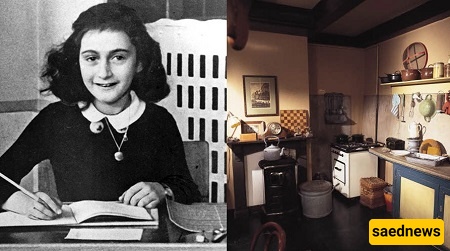
According to Saednews, the Anne Frank House in Amsterdam is a historic World War II site where Anne Frank and her family, along with four other Jewish people, went into hiding. Today, the museum preserves the memory of the persecution, discrimination, and suffering endured by innocent people during the Nazi occupation.
Museums are among the most popular tourist attractions in countries around the world. Some museums, however, occupy places with deeply significant and painful histories. One of the most famous is the Anne Frank House, located in Amsterdam, the Netherlands.
The building was once the private residence and hiding place associated with Anne Frank and her family. During World War II, it became one of the many secret shelters where Jewish people attempted to escape Nazi persecution.
The hiding place accommodated Anne Frank, her family, and four other Jewish people. Because it was concealed from Nazi soldiers, they were able to remain there for approximately two years. Anne Frank died at the age of 15 in the Bergen-Belsen concentration camp, only a few months before the end of World War II.
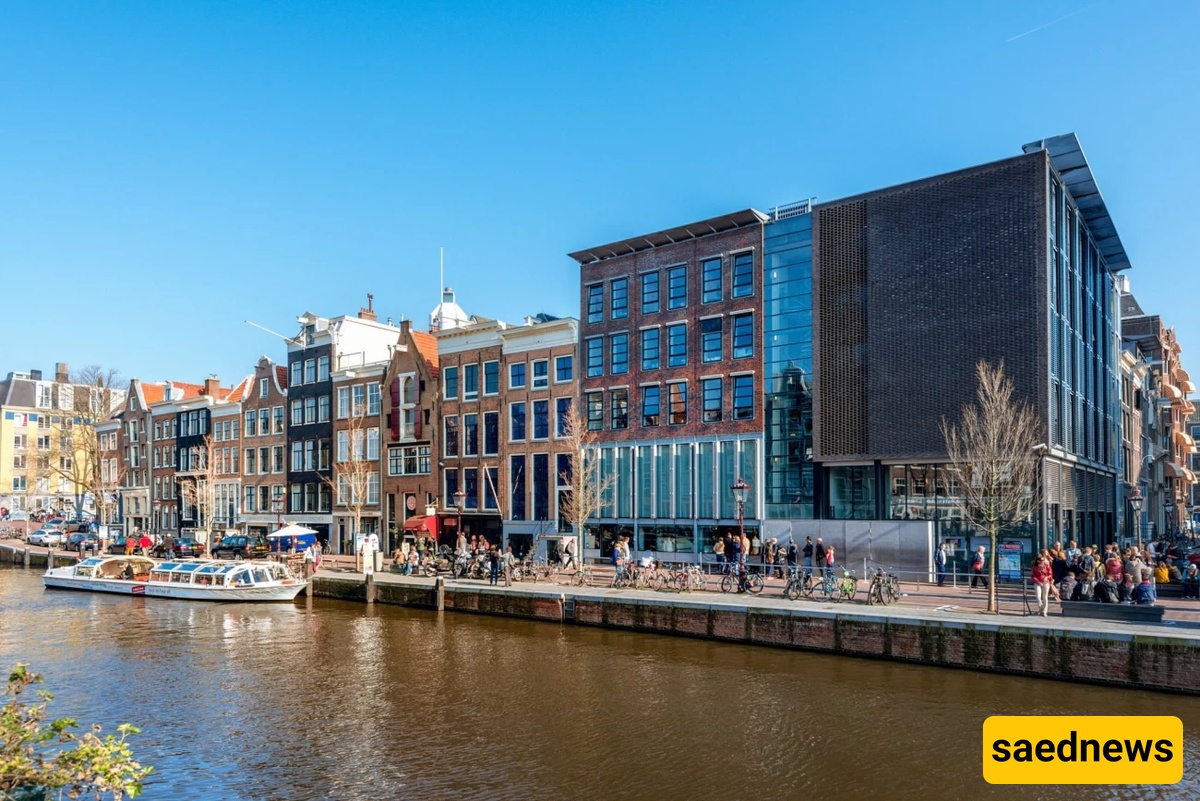
The Anne Frank House was officially established as a museum in 1960. For many years, the building remained a powerful reminder of the people who were forced to live in hiding because of Nazi persecution.
The museum became particularly famous because of Anne Frank's diary. During her time in hiding, Anne, a young Jewish girl, recorded her daily experiences, thoughts, fears, and hopes. Her diary later became one of the world's most widely read accounts of life during the Holocaust and has been translated into numerous languages.
Because of the worldwide impact of her writing, the house where Anne spent her final years in hiding was preserved as a memorial to her life and legacy.
The building itself dates back several centuries and was originally constructed in the 17th century. Over the years, it underwent restoration to preserve its historical character and protect it from deterioration. Despite necessary conservation work, great care has been taken to preserve the atmosphere and layout associated with the period when Anne Frank and the others lived there.
The secret annex is located at the rear of the building and consists of a relatively small series of rooms. Many features of the hiding place, including its rooms and historical details, have been preserved to help visitors understand the conditions in which the occupants lived.
After the hiding place was discovered by the Nazis, the occupants were arrested and deported to concentration camps. Anne Frank's father, Otto Frank, was the only member of the immediate group in hiding who survived the Holocaust. After the war, he helped publish Anne's diary and worked to preserve her memory.
The main reason for the museum's international significance is its direct connection with Anne Frank's life and diary. The preserved rooms provide visitors with a powerful impression of the circumstances in which Anne and the others were forced to live during World War II.
Anne's diary was first published in 1947 by her father, Otto Frank. It went on to become one of the best-known books about the Holocaust, bringing Anne's personal experiences and the realities of Nazi persecution to readers around the world.
The story of what happened to the people hiding in the house adds an especially moving dimension to the museum. Of the eight people who hid in the secret annex, only Otto Frank survived the war.
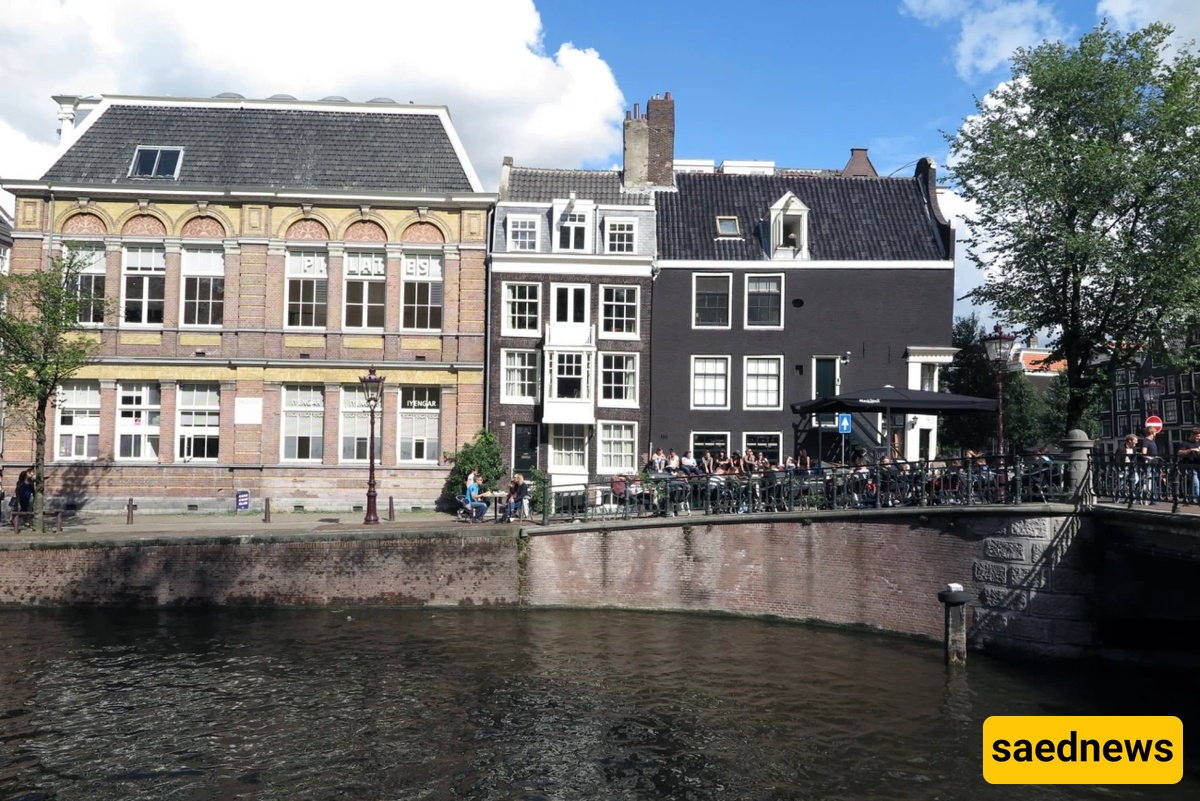
Between 1947 and 1955, Anne Frank's diary attracted growing international attention, encouraging increasing numbers of people to visit the building.
At one point, however, the historic house was threatened with demolition after it was purchased by a real-estate company. Supporters of Anne Frank strongly opposed the plan. Local advocates and newspapers called for the building to be protected as a historical monument.
In 1955, shortly before the planned demolition, supporters gathered outside the house and successfully helped prevent its destruction. The building was subsequently preserved and eventually became the museum that visitors know today.
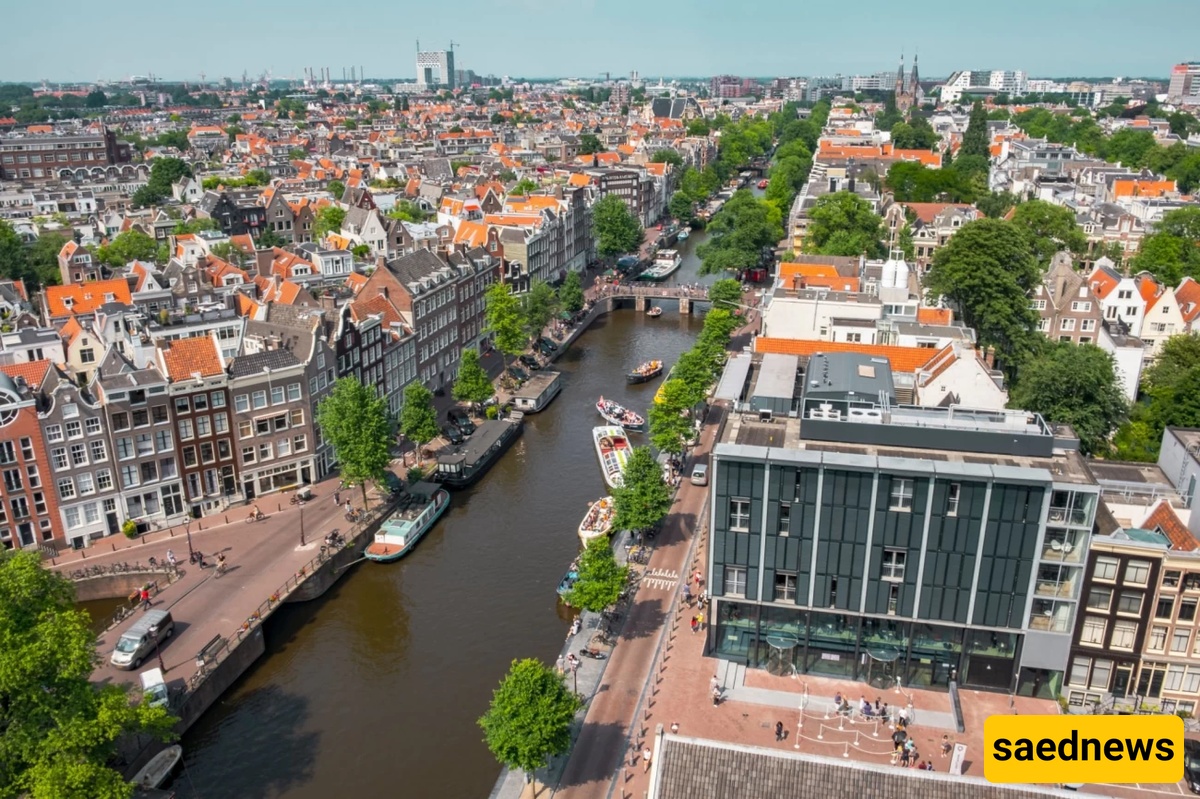
The Anne Frank House is located in central Amsterdam, along the Prinsengracht canal. Its location and historical importance have made it one of the city's most visited cultural attractions.
Since opening as a museum, it has welcomed millions of visitors from around the world. Today, the Anne Frank House serves not only as a museum but also as an important place for education and remembrance, helping visitors understand the history of the Holocaust and the consequences of discrimination and persecution.