SAEDNEWS: Minsk, the capital of Belarus, is considered one of the most populous cities in the world and offers a variety of attractions that draw numerous tourists and travelers each year. Join us as we explore 15 of the most beautiful and fascinating tourist attractions in Minsk, Belarus.
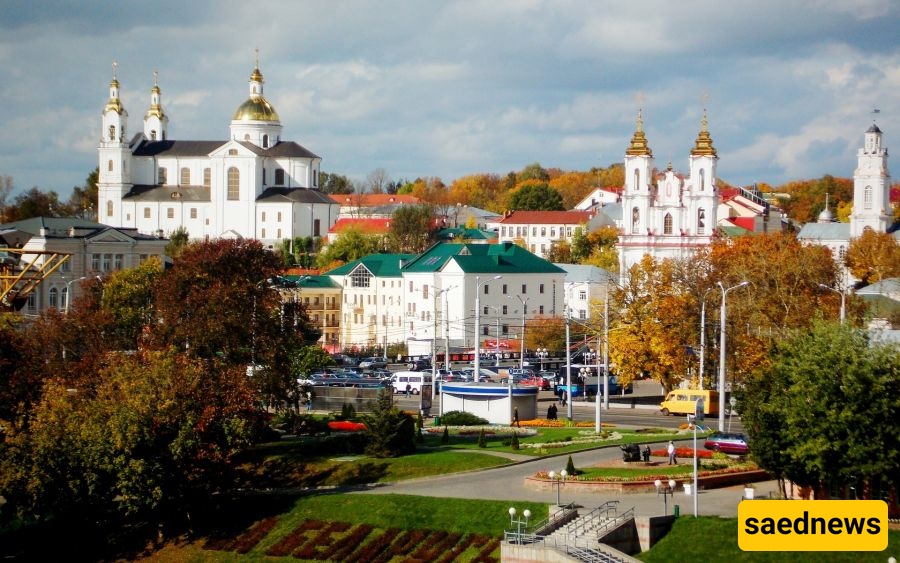
According to Saednews, Belarus may first capture your attention through its scenic landscapes, historic landmarks, and cultural attractions. Officially known as the Republic of Belarus, this Eastern European country enjoys a moderate climate influenced by its proximity to the Baltic Sea. Minsk, the capital, has average temperatures of around -5°C at the beginning of winter and 19°C at the start of summer.
Belarus stretches approximately 650 kilometers from west to east and 560 kilometers from north to south. Its location also makes it an important connection between Eastern and Central Europe and the western part of the continent.
Belarus has an impressive network of waterways that reflects its natural heritage. Around 20,000 rivers and streams cross the country, with a combined length of approximately 92,000 kilometers. Forty-eight of these rivers are at least 100 kilometers long.
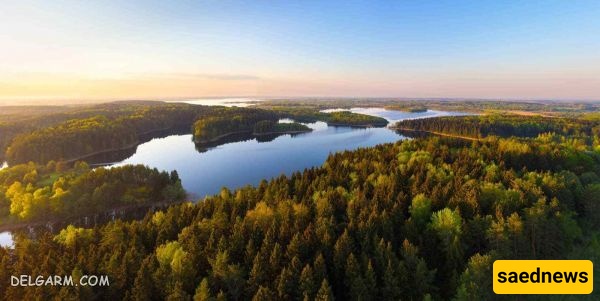
The country is also home to around 10,800 lakes, mineral springs, therapeutic mud and salt resources, and diverse climatic conditions that attract visitors throughout the year.
Belarus has four UNESCO World Heritage properties. These include the Mir Castle Complex, the Architectural, Residential and Cultural Complex of the Radziwill Family at Nesvizh, Białowieża Forest (shared with Poland), and the Struve Geodetic Arc, which is shared by Belarus and several other European countries.
The national currency is the Belarusian ruble. Minsk is approximately 2,740 kilometers from Tehran, and the time difference between Minsk and Tehran is around one and a half hours.
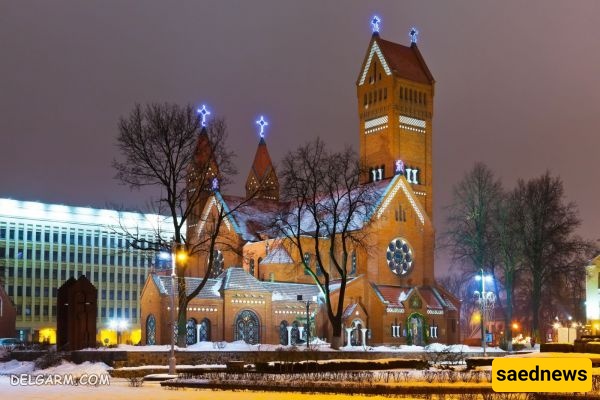
Known as the Red Church, the Church of Saints Simon and Helena is one of Minsk's best-known religious landmarks. It was built between 1908 and 1910 at the initiative of the prominent Belarusian Woyniłłowicz family.
Edward Woyniłłowicz commissioned the Neo-Gothic church in memory of his two young children who had died. Its two striking red-brick towers symbolize grief and remembrance.
During the Soviet period, the building was converted for other uses, including a cinema and later a film studio. Since 1990, it has returned to its original religious function and remains an important landmark in central Minsk.
The National Library of Belarus is an outstanding example of modern and imaginative architecture. Its distinctive geometric design and colorful nighttime illumination make it one of Minsk's most recognizable landmarks.
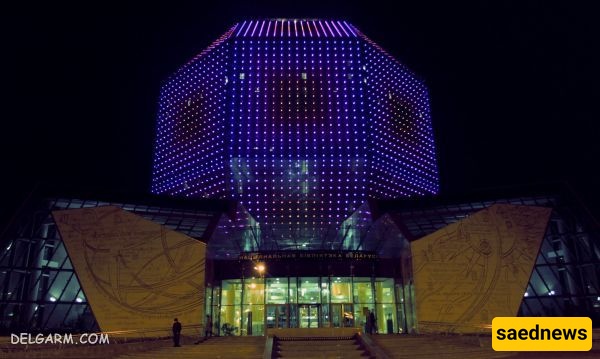
The building is approximately 74 meters high and has 23 floors. It has capacity for millions of books and other resources. Visitors can also enjoy panoramic views of Minsk from the upper levels.
Victory Square is located in the heart of Minsk, at the intersection of Independence Avenue and Zakharova Street.
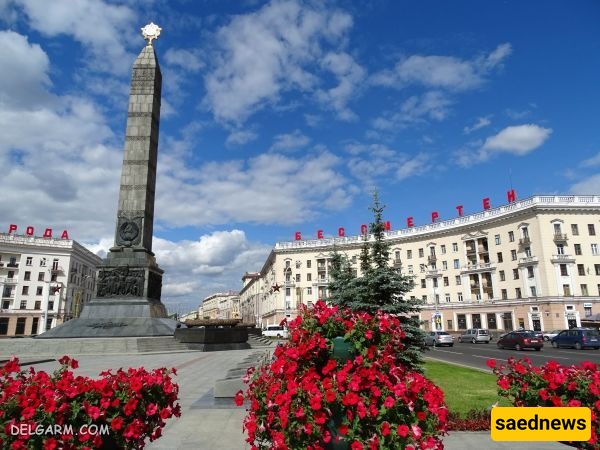
The main symbol of the square is a granite obelisk approximately 38 meters high, topped with a large representation associated with victory. A memorial flame has also burned here since 1954.
The appearance of the square has changed over the decades. Following the construction of the Minsk Metro, its original circular design was transformed into an oval shape.
Located in a quiet area in central Minsk, the Island of Tears is a memorial dedicated to Belarusian soldiers who died during the Soviet-Afghan War.
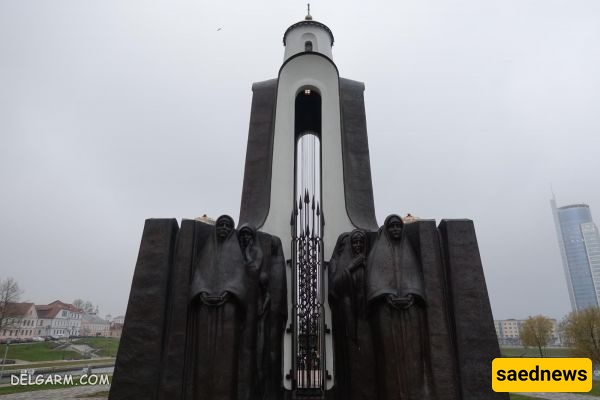
The Soviet intervention in Afghanistan lasted nine years and resulted in enormous human suffering. Belarus, which was then part of the Soviet Union, lost many of its young soldiers during the conflict.
The memorial, designed in the form of a small church-like structure, stands in the middle of a park and is connected to the mainland by a small bridge. It provides a peaceful setting for remembrance and reflection.
Independence Square is one of the largest and most important public spaces in Minsk. Before 1991, it was known as Lenin Square.
During World War II, many of the buildings surrounding the square were destroyed. During the Soviet era, the square was also used for military parades and public celebrations.
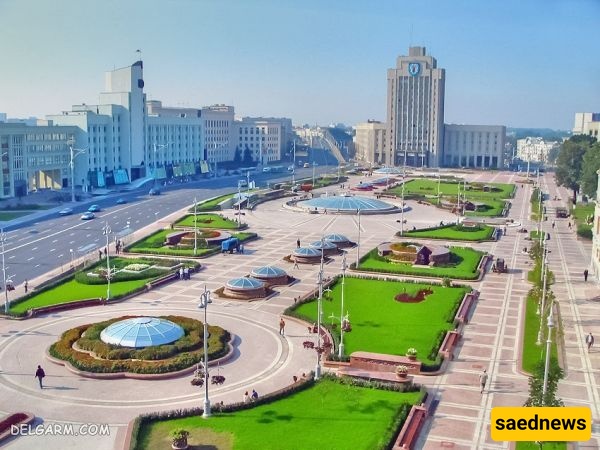
The first Independence Day celebration of the Republic of Belarus was held here in 1997, after which the square became known as Independence Square.
The Belarusian State Circus was established as part of the Soviet effort to develop circus performance as a major form of national entertainment and art.
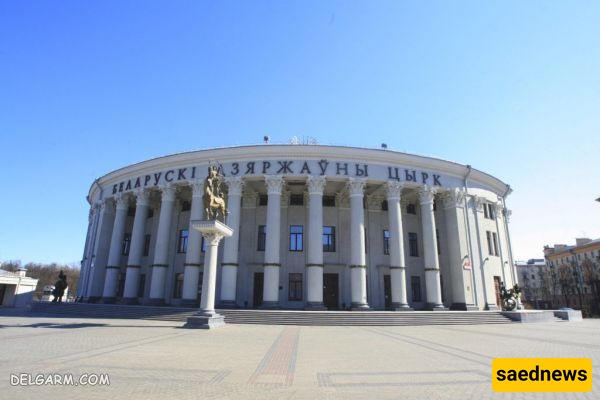
The permanent circus building in Minsk opened in 1959 and became one of the notable circus venues of the Soviet Union. Today, the Belarusian State Circus remains a popular attraction for visitors looking for traditional circus performances and entertainment.
The National Art Museum of Belarus is one of the country's most important cultural institutions and one of Minsk's major museums.
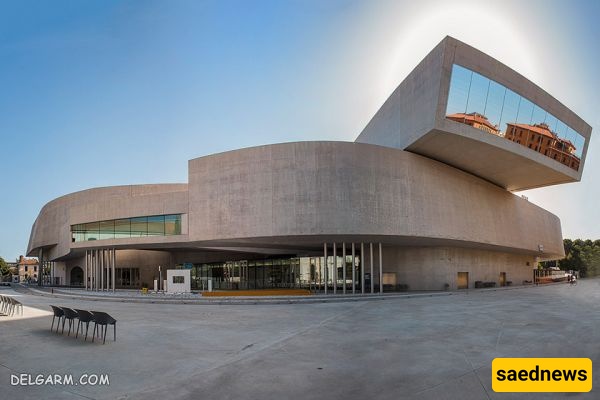
Its extensive collection contains tens of thousands of works representing Belarusian, Russian, European, and other artistic traditions. The museum houses paintings, sculptures, graphic works, decorative art, and other cultural treasures.
The museum also includes collections connected with prominent Belarusian artists and historic families, providing visitors with an overview of the country's artistic heritage.
The National Historical and Cultural Museum of Belarus contains one of the country's largest collections, with hundreds of thousands of objects.
Its exhibits include archaeological discoveries, historical artifacts, artworks, manuscripts, musical instruments, coins, jewelry, weapons, and traditional clothing.
Permanent exhibitions explore ancient Belarus, the history of weapons, the lives of Belarusian nobles, and urban life during the 19th and 20th centuries.
Minsk Botanical Garden is a peaceful green space featuring extensive walking paths, greenhouses, trees, flowers, and a wide variety of plant species.
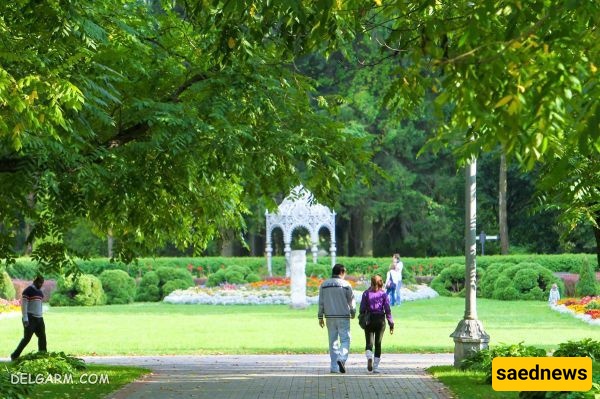
Visitors can see rare and endangered plants as well as dahlias, lilies, clematis, medicinal and aromatic plants, water lilies, tulips, orchids, lilacs, chrysanthemums, and many other species.
Its beautiful landscapes and relaxing atmosphere make the botanical garden an appealing destination for both residents and tourists.
Chelyuskintsev Park is one of Minsk's historic recreational areas. It was established between 1928 and 1931 in the southeastern part of the city, on the site known as the Komarovsky Forest.
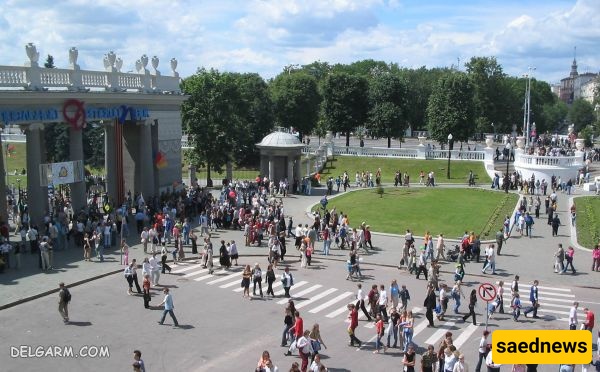
The park combines wooded landscapes with recreational facilities, making it a pleasant place to escape the city's busy streets and enjoy fresh air and greenery.
The Stalin Line is an open-air historical complex featuring a remarkable collection of military equipment.
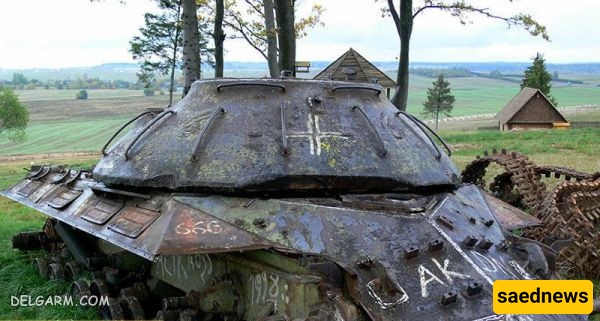
Visitors can see tanks, artillery, helicopters, weapons, fortifications, and other military objects associated with Soviet military history. The complex provides an opportunity to learn about the country's wartime past through large-scale outdoor exhibits.
One of Minsk's most distinctive government buildings is the imposing yellow Neoclassical structure associated with the KGB.
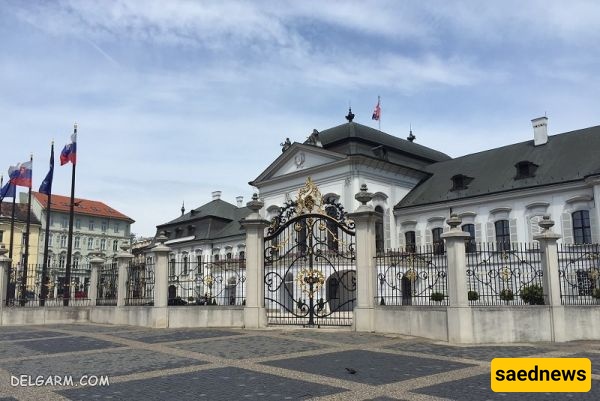
Its monumental architecture immediately attracts attention. Across the street, visitors can also see a park featuring a bust of Felix Dzerzhinsky, the founder of the Soviet secret police organization that preceded the KGB.
The Independence Palace, also known as the Presidential Palace, is an impressive modern government complex in Minsk.
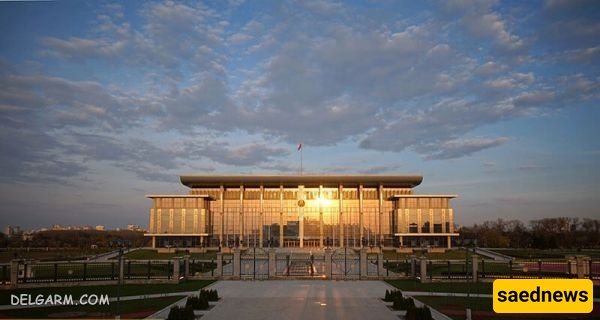
The building features a striking architectural design and a large glass exterior. Covering more than 50,000 square meters, it is an important symbol of the country's contemporary political landscape and one of the city's prominent modern structures.
Unlike conventional museums housed inside a single building, the Museum of Traditional Architecture and Rural Life is an open-air museum located about 15 kilometers southwest of central Minsk.
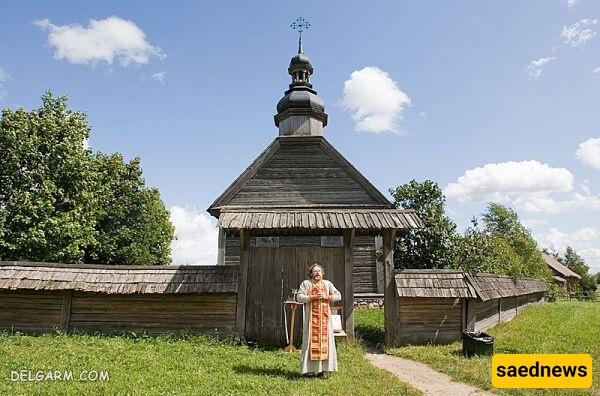
The complex recreates traditional Belarusian village life through dozens of rural houses, a school, a church, and an old windmill.
Walking through the site allows visitors to experience Belarusian rural architecture, traditions, and everyday life in an authentic outdoor setting.
From historic squares and religious buildings to museums, parks, traditional villages, and impressive modern architecture, Belarus offers a diverse range of attractions. Minsk is an excellent starting point for exploring the country's history and culture, while destinations such as Mir Castle and Białowieża Forest provide opportunities to discover Belarus beyond the capital.