SAEDNEWS: The island of Tasmania is one of Australia’s states. It lies in the southeastern part of the country, approximately 240 kilometers south of Victoria. Tasmania is separated from the state of Victoria by the Bass Strait.
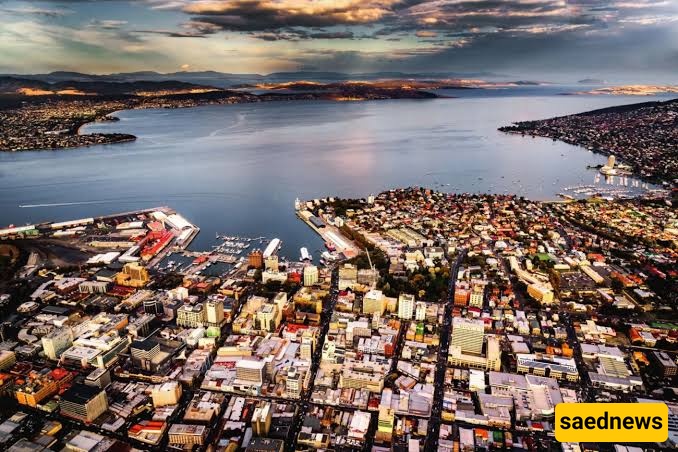
According top Saednews, Tasmania is an Australian island state consisting of one main island, Tasmania, along with several smaller islands. Bruny Island lies near the southeastern coast of the main island, while King Island and Flinders Island are located in Bass Strait. Numerous smaller islands are also scattered around the coast.
Interestingly, Tasmania’s main island resembles a heart when viewed from above. It is approximately 320 kilometres long and wide, with Hobart as its capital. Covering an area slightly larger than Sri Lanka, Tasmania is the smallest state in Australia.
Tasmania was named after the Dutch explorer Abel Janszoon Tasman, who became the first European to discover the island in 1642. However, the island was originally named Van Diemen’s Land after Anthony van Diemen, the governor-general of the Dutch East Indies who had sent Tasman on his expedition. In 1856, the name was officially changed to Tasmania in recognition of its European discoverer.
Tasmania’s Indigenous population had lived on the island for thousands of years before European settlement. With the arrival of Europeans, violent conflict, displacement, and the introduction of infectious diseases caused a devastating decline in the Aboriginal population. The consequences of colonisation were catastrophic for Tasmania’s Indigenous communities.
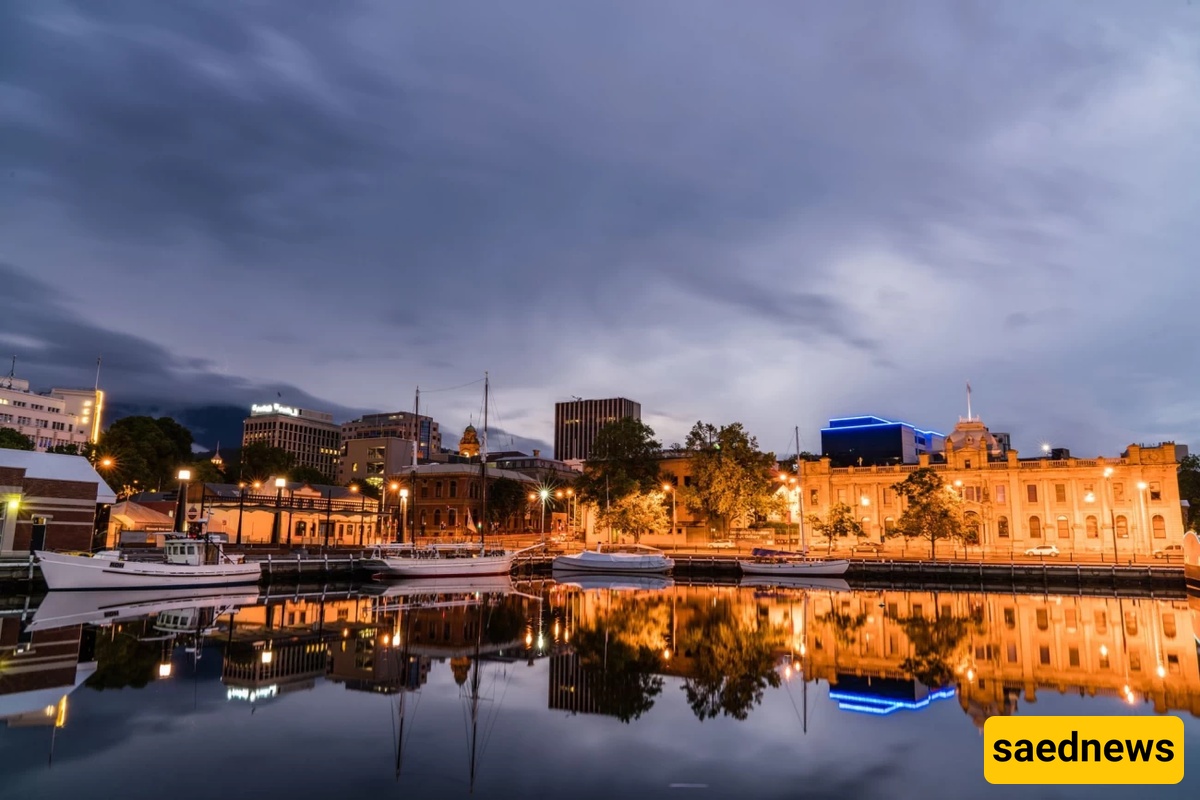
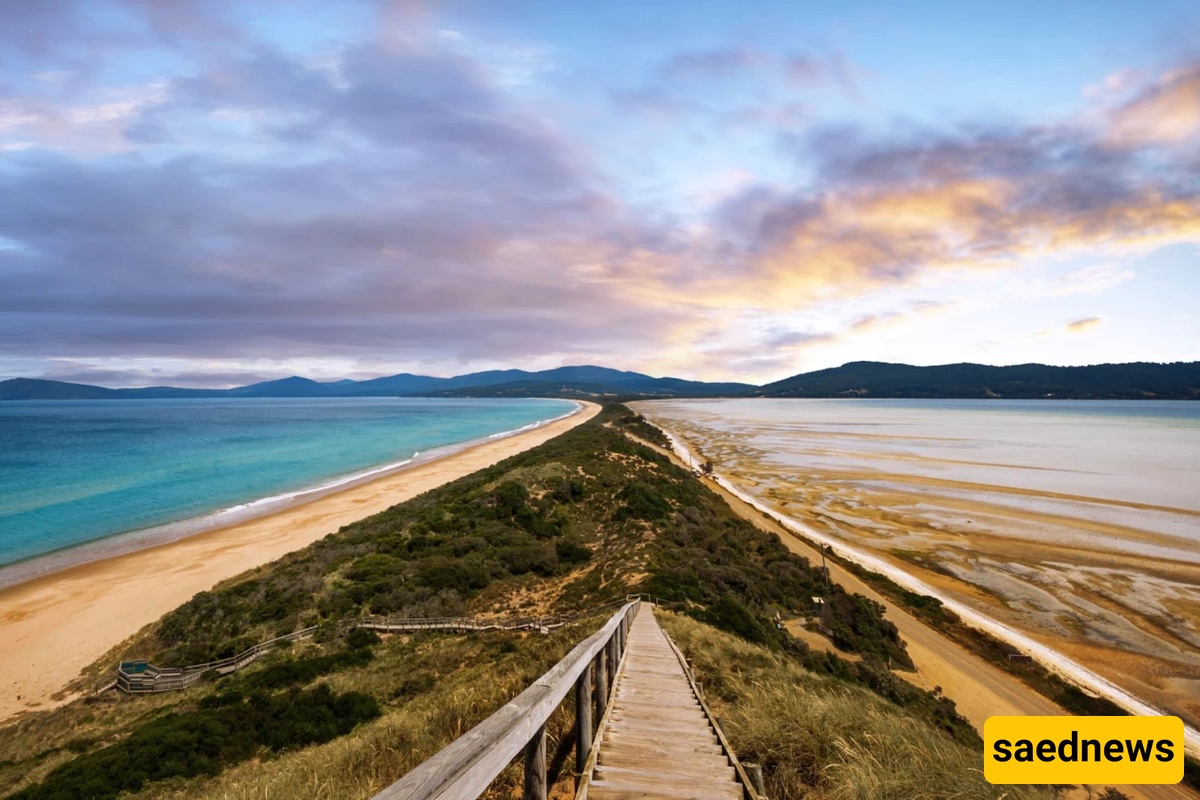
Tasmania is famous for its spectacular natural scenery, including mountains, lakes, forests, and unspoiled beaches. A large proportion of the state is protected within national parks and nature reserves. The island is also rich in natural resources and produces a significant share of Australia’s hydroelectric power.
Despite its natural wealth and growing tourism industry, Tasmania has historically remained one of Australia’s less affluent states. Its island location has contributed to economic and transport challenges, although its relatively close proximity to Melbourne and regular air connections have made it an increasingly popular destination.
Tasmania covers approximately 68,400 square kilometres and has a population of more than 500,000 people.
Tasmania is predominantly mountainous, particularly in the western part of the island. Mount Ossa, the highest mountain in Tasmania, rises to approximately 1,617 metres. The landscape consists of a series of mountain ranges, valleys, plateaus, and rugged terrain extending across the island.
Ben Lomond in northeastern Tasmania is another prominent highland area, reaching approximately 1,573 metres above sea level.
One of the most distinctive geographical features is Tasmania’s Central Plateau. This elevated, glacially shaped region contains thousands of lakes and resembles parts of northern Canada and Finland. Most of these lakes are relatively shallow, although Lake St Clair is among the deepest lakes in Australia, reaching a depth of around 215 metres.
Several other lakes, including Lake King William, have been developed as reservoirs for hydroelectric power generation.
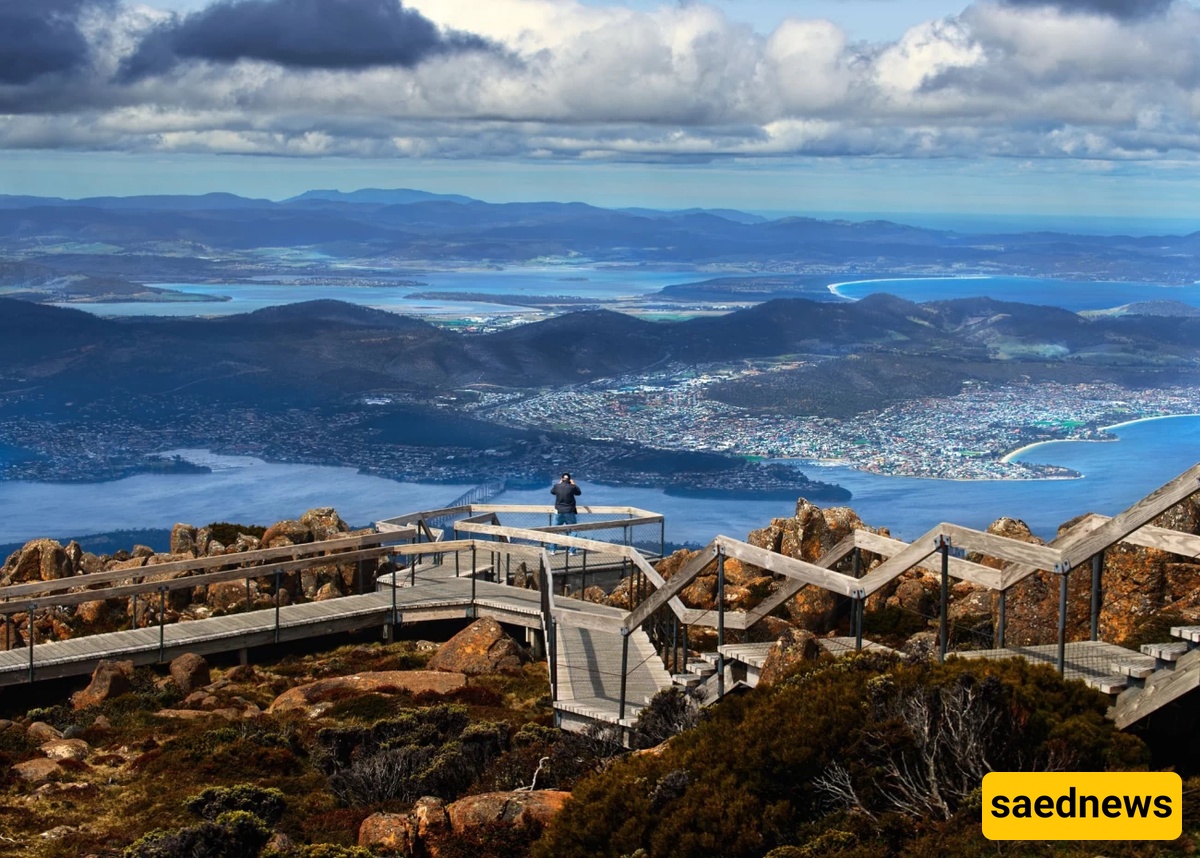
Bass Strait separates Tasmania from mainland Australia. Fossil-rich cliffs along parts of the northern coast and around Maria Island provide evidence that some areas were once beneath the sea before geological changes raised them above water.
Tasmania has several important river systems, with many smaller rivers flowing toward the western coast. Its varied terrain and extensive waterways contribute significantly to the island’s natural beauty and hydroelectric potential.
Tasmania has a temperate climate with four distinct seasons. Winters are generally cold, making Tasmania one of the coolest parts of Australia, while summers range from mild to warm. Maritime air masses strongly influence the climate, and many parts of the island receive rainfall throughout the year.
The western and southwestern regions are particularly wet and experience rugged weather conditions. In contrast, southeastern Tasmania can experience periods of drought.
Rainfall varies considerably across the island. The western slopes can receive more than 2,500 millimetres of rain annually, while average rainfall decreases significantly toward the east, where some areas receive less than 510 millimetres.
January is generally warmer in northern and eastern Tasmania, with average temperatures in Launceston reaching around 18°C. In July, average temperatures in coastal areas are usually between 8°C and 9°C, while temperatures fall considerably at higher elevations.
Tasmania has a diverse economy based on agriculture, forestry, mining, fisheries, water resources, tourism, manufacturing, and services. However, its economic development has historically been affected by the limited size of local markets and the transportation costs associated with reaching mainland and international markets.
The Tasmanian government has actively supported tourism, trade, and industrial development. Since the 1970s, employment in traditional sectors such as agriculture, forestry, fishing, mining, manufacturing, and processing has generally declined, while the service sector has become increasingly important.
Agriculture remains a major part of Tasmania’s economy. Beef production, dairy farming, and sheep farming for both wool and meat are among the state’s most important agricultural activities.
Tasmania also has extensive forests. The western regions contain valuable hardwood and softwood forests, while the drier forests of eastern Tasmania are used in part for woodchip production. Softwood plantations and timber-related industries have expanded considerably, making Tasmania an important contributor to Australia’s forestry and agricultural exports.
Overall, Tasmania combines dramatic landscapes, a distinctive island climate, rich natural resources, and a diverse economy, making it one of Australia’s most geographically and environmentally unique states.