SAEDNEWS: Belvedere Palace in Vienna is one of Austria’s most renowned palaces and a world-famous museum. Celebrated as a masterpiece of Baroque architecture, the palace is also surrounded by magnificent gardens, offering some of the most picturesque and captivating views in Europe.
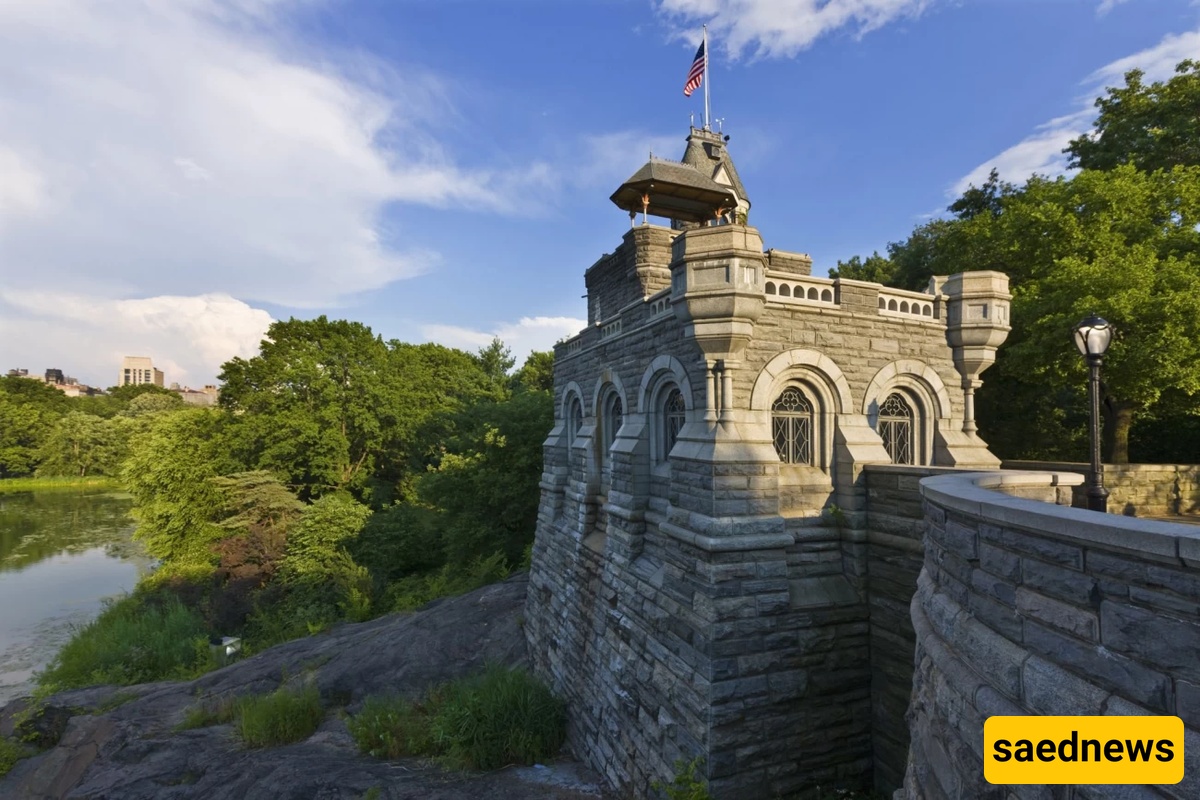
According to Saednews, Belvedere Palace is a magnificent royal complex in the heart of Vienna, attracting millions of visitors each year with its enchanting views. The word Belvedere comes from Italian and means “beautiful view,” a name that perfectly suits the breathtaking scenery found throughout the complex.
Belvedere is a masterpiece of Baroque architecture, designed by court architect Johann Lukas von Hildebrandt. The royal complex consists of two palaces facing each other and separated by beautiful landscaped gardens. Today, Belvedere Palace serves as a museum and houses a valuable art collection featuring works by renowned artists such as Vincent van Gogh and Gustav Klimt.
Since much of Belvedere’s beauty comes from its attractive gardens, citrus trees, and approximately 4,000 plant species, spring and summer are the best seasons to visit. During these months, the gardens are at their most vibrant and green.
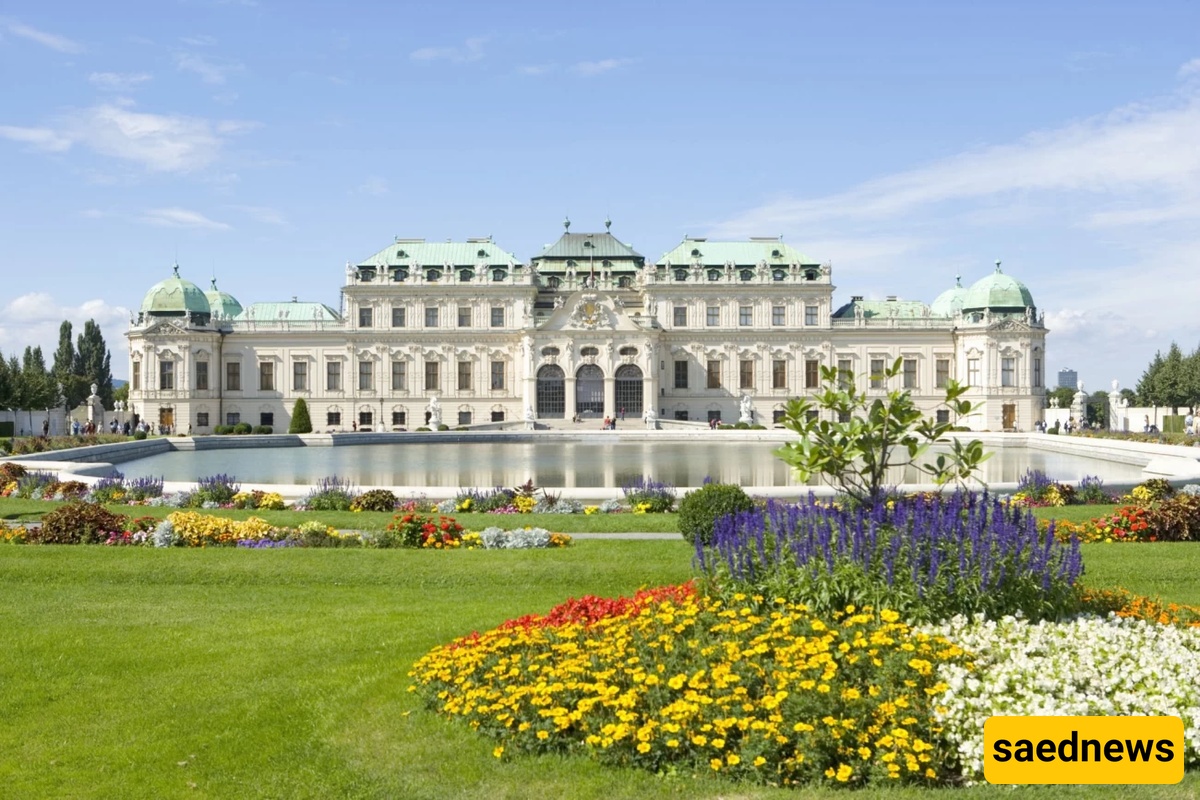
The Belvedere complex was originally built as the summer residence of Prince Eugene of Savoy, a highly successful military commander who defeated the Ottoman army in 1683.
Prince Eugene had no children. After his death, his properties, art collection, and extensive library were eventually sold by his heir, Anna Victoria, one of his relatives.
In 1752, Belvedere Palace was sold to Empress Maria Theresa, who intended to use the palace to house the imperial art collection.
In 1779, the empress opened the palace and its gardens to the public. Toward the end of the 19th century, many of the artworks were transferred to the newly established Museum of Art History.
Later, the Lower Belvedere became associated with modern art exhibitions, while the Upper Belvedere was used as a residence by Archduke Franz Ferdinand, whose assassination in 1914 became a major event leading to World War I.
After the war, in 1918, the palace complex came under government control, and both palaces were transformed into state museums. Prince Eugene was an influential patron of the arts who assembled an impressive collection of paintings and sculptures from across Europe, making his legacy an important foundation for the museums.
The Lower Belvedere was the residence of Prince Eugene. Construction began in 1714 and took approximately two years to complete.
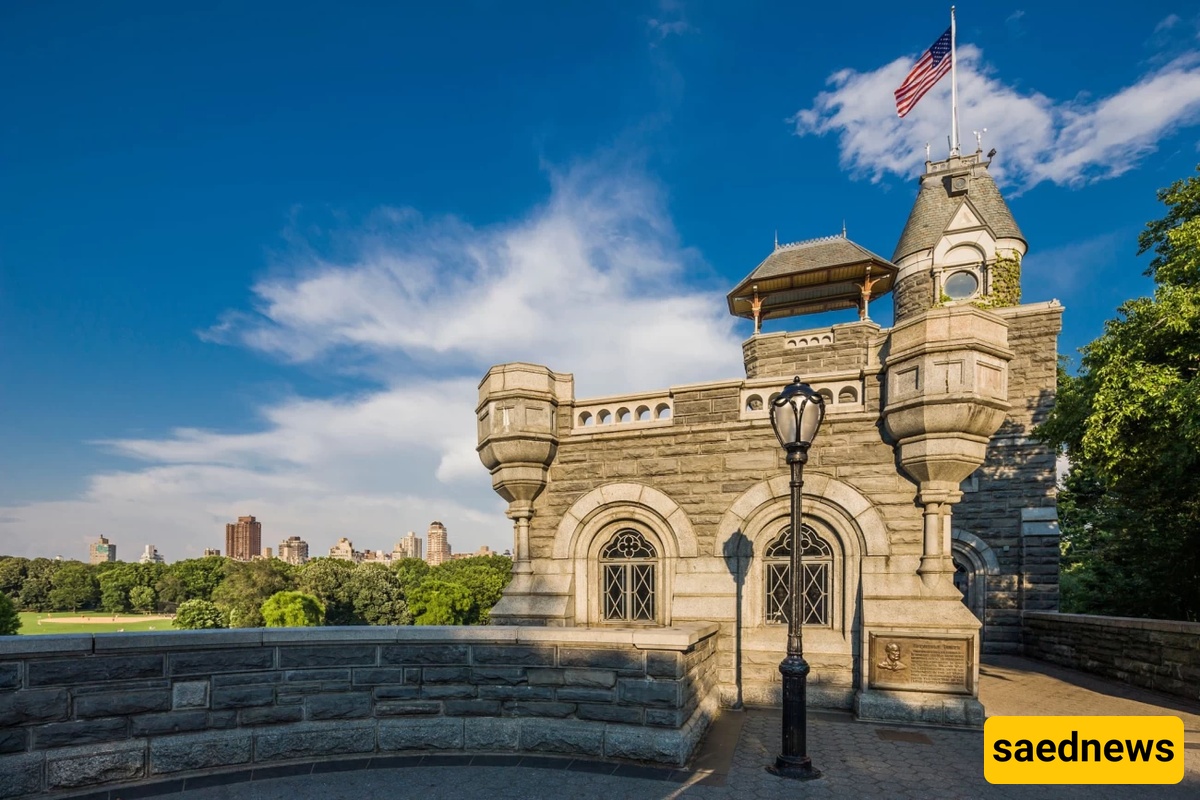
The palace’s beautifully preserved rooms are open to museum visitors, and the Baroque Museum displays a collection of paintings and sculptures from the Baroque period.
The dining room, Hall of Mirrors, bedroom, and Marble Hall are among the most impressive areas of the palace. They are richly decorated with elaborate reliefs, sculptures, and artistic details.
The Marble Hall is one of the highlights of the Lower Belvedere. Its ceiling paintings, created by Martino Altomonte in 1716, depict Prince Eugene in the form of the Greek god Apollo.
Another fascinating area is the Grotesque Hall, whose walls are decorated in a style inspired by ancient Roman houses. The room also contains unusual sculptures featuring distinctive and sometimes strange facial expressions.
The Orangery, originally constructed to protect trees during the winter, is now used for temporary exhibitions.
The former palace stables have been converted into a museum of medieval art, displaying an extensive collection of paintings and sculptures dating from the 12th to the 16th centuries.
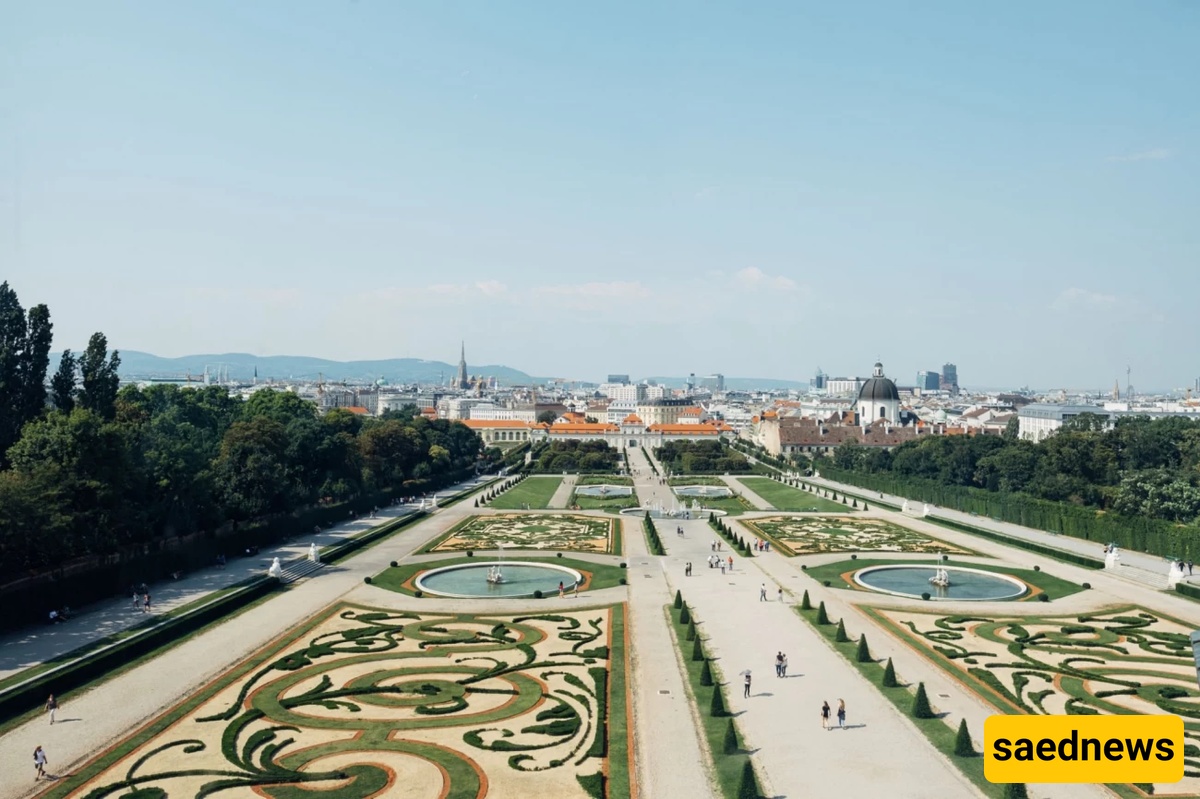
Belvedere Palace is located in Vienna, Austria, south of the city center and surrounded by extensive gardens.
The Upper Belvedere stands at the southern end of the palace gardens. It is considered one of Johann Lukas von Hildebrandt’s greatest architectural achievements.
The exterior of the Upper Belvedere is particularly impressive and has a more monumental appearance than the Lower Belvedere. Its main entrance, facing south, is especially striking and is decorated with numerous sculptures symbolizing military victories over the Ottoman forces.
The interior has undergone significant changes over the centuries and does not resemble the way the palace looked during every period of its history. One of its most remarkable features is the ground floor, where large sculptures appear to support the impressive domed ceiling.