SAEDNEWS: Darul Aman Palace is one of Afghanistan’s historic landmarks, bearing witness to centuries of the country’s turbulent and blood-stained history. During the government of Ashraf Ghani, the palace was restored as a symbol of Afghanistan’s efforts toward reconstruction and renewal.
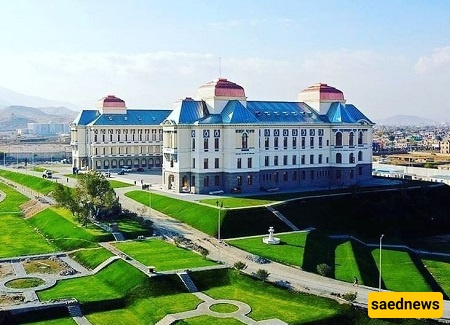
According to Saednews, Darul Aman Palace, also known as the Dar al-Aman Palace, is one of Afghanistan’s most historic landmarks. Located about 8 kilometers southwest of Kabul in the Kabul District of Chahar Dehi, the palace was built during the reign of King Amanullah Khan in an area known as Afshar Tepa.
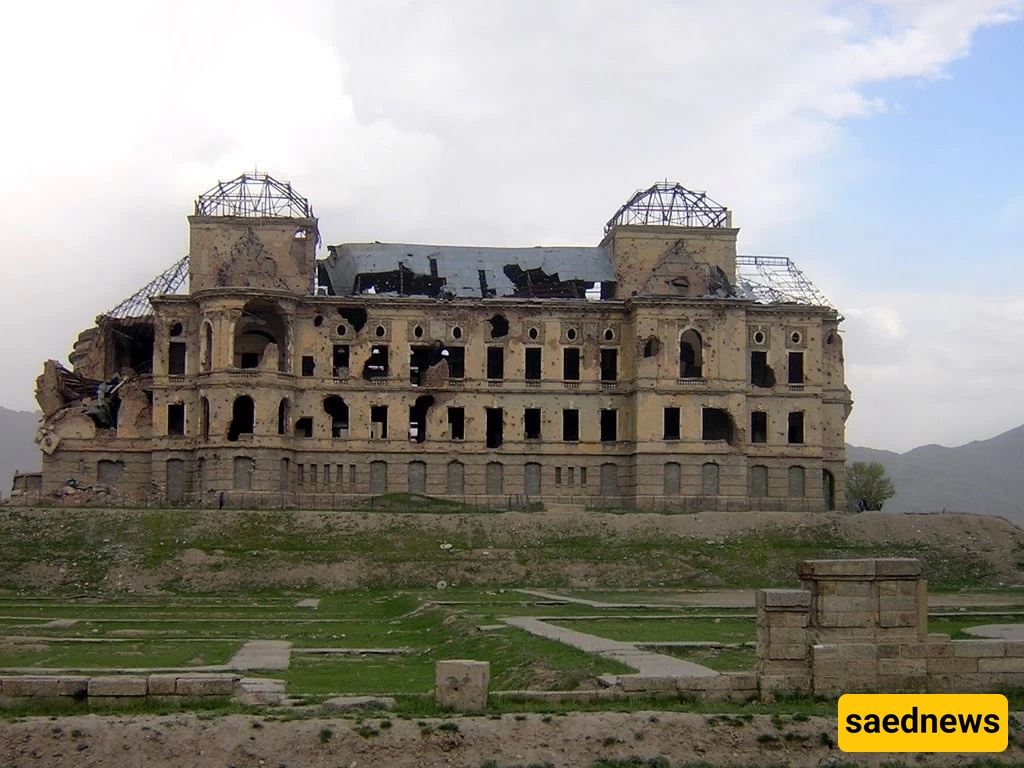
Today, the palace is regarded as one of the most striking symbols of Afghanistan’s destruction and suffering. Its damaged walls tell the story of decades of conflict and reflect the country’s turbulent modern history.
At the time the palace was constructed, Afghanistan maintained close relations with Germany. Twenty-two German architects were brought to Afghanistan to assist with urban development and construction projects. One of the major buildings designed by German architects was Darul Aman Palace, constructed in 1927–1928 under the supervision of German engineer Walter Harten.
The palace contained approximately 150 large and small rooms, a library, and 32 bathrooms. It was used by the Afghan government and later became home to the Ministry of Defense.
During the 1970s, the palace suffered serious damage. In 1979, during the coup led by General Shahnawaz Tanai, Afghanistan’s former defense minister, against the government of President Dr. Najibullah, the building was bombarded and part of it was destroyed.
The palace suffered even greater damage during the civil wars of the 1990s and eventually became a complete ruin.
Many parts of Kabul bear the scars of war and destruction, but Darul Aman Palace remains one of the clearest reminders of Afghanistan’s violent past.
The magnificent palace was originally built as a symbol of Afghanistan’s modernization and its emergence as a recognized modern state. However, decades of conflict transformed the once-grand building into a devastated ruin.
The contrast between its original grandeur and its destruction has made Darul Aman one of the most powerful architectural symbols of Afghanistan’s troubled history.
Throughout its history, Darul Aman Palace was known by several different names.
During the rule of Habibullah Kalakani, it was known as Darul Habib. It was later referred to as Darul Funun. In 1954, the Kabul municipal authorities restored its original name, Darul Aman.
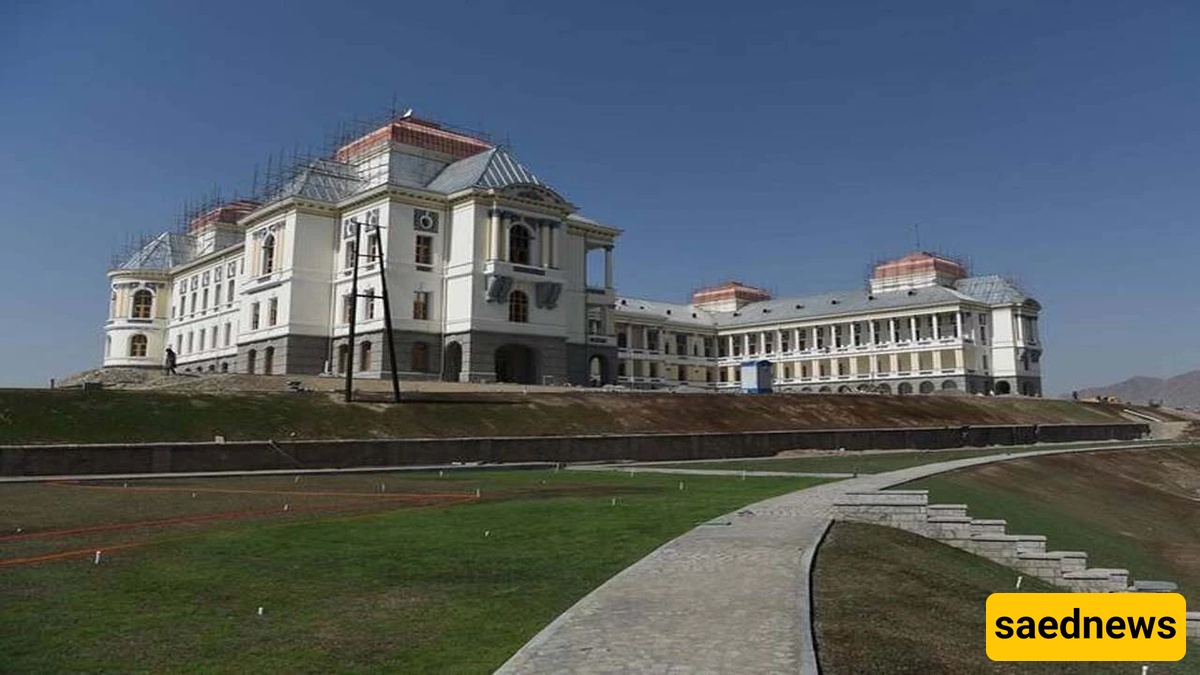
Former Afghan President Ashraf Ghani announced plans to restore the historic palace at the beginning of his presidency.
In 2016, restoration work began with a budget of approximately $16 million. On the first day of the restoration project, President Ghani symbolically held the first meeting of Afghanistan’s High Commission for Urban Development inside the ruined palace.
The restoration was eventually completed, transforming Darul Aman once again into a symbol of Afghanistan’s reconstruction and national renewal.
The restored palace was officially reopened in 2019, coinciding with the centenary of Afghanistan’s independence.
According to Ashraf Ghani, more than 20 government institutions, including ministries and independent agencies, were planned to be relocated to the Darul Aman complex.
Today, Darul Aman Palace stands not only as a historic architectural landmark but also as a symbol of Afghanistan’s resilience, destruction, and efforts toward rebuilding its future.