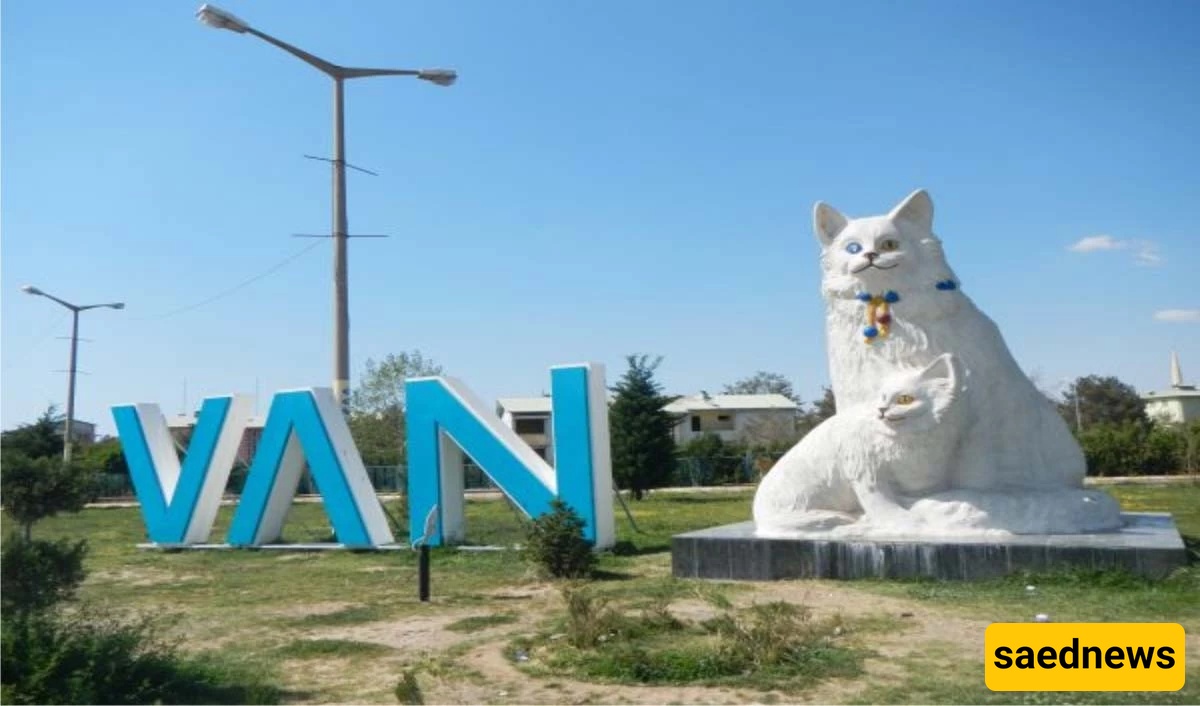
SAEDNEWS: In the tourist city of Van, there is an institution dedicated to supporting and caring for cats, known as the “Van Cat House of Turkey” (VAN KEDI EVI).
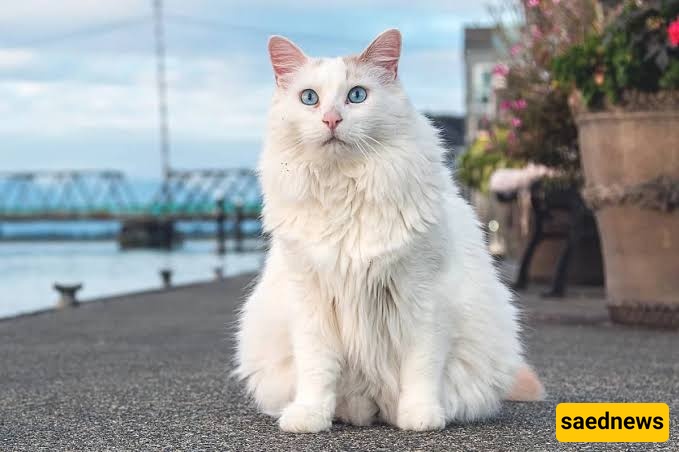
According to Saednews, Located in the center of Van Province, this facility is home to the beautiful and affectionate cats that have become a symbol of the city. The center cares for Van cats of all ages.
In 1999, Turkish government officials realized that the Van cat population was declining and that only around 90 cats of this breed remained. This situation led to the establishment of the center. Today, it has become one of Van's notable attractions, where visitors can learn about and observe these distinctive cats.
The facility includes a research center dedicated to protecting and preserving the Van cat population. Scientific studies are conducted to address genetic and health-related issues, while researchers also work to improve the social and economic value of these animals.
The center was built within the grounds of Van Yüzüncü Yıl University, close to Lake Van. Surrounded by a pleasant natural environment, it is considered one of the interesting places to visit in Van.
The Van cat is a distinctive breed associated with the Van region of Turkey. Its pure white coat and unusual eye colors are among its most recognizable characteristics. Many Van cats have heterochromia, with one eye turquoise or blue and the other amber.
However, some Van cats have eyes of the same color as well. Their eyes are gray at birth, and their color gradually changes. After approximately 25 days, the eye color begins to develop, becoming stable at around 40 days after birth.
Their silky white fur adds to their distinctive appearance. Their coats become thicker during winter. While many have predominantly pure-white coats, some have patches of two different colors, while others may have gray coats with darker markings.
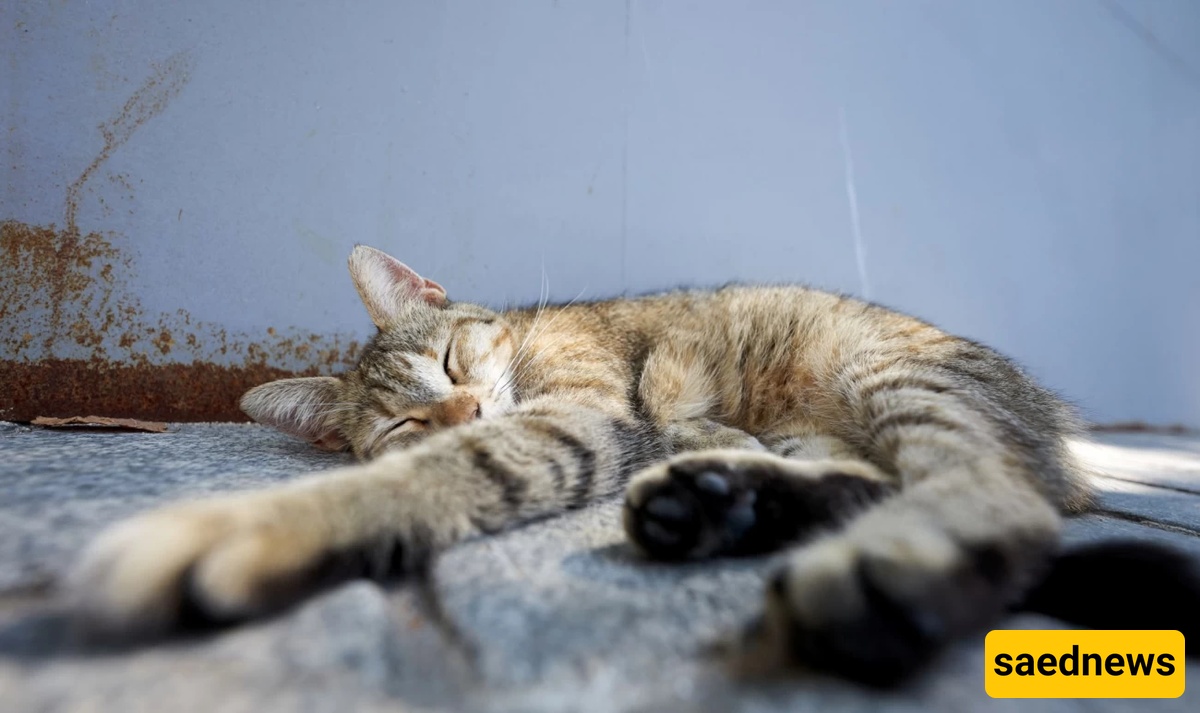
One of their interesting characteristics is their unusual dietary preferences. In addition to regular cat food, some Van cats enjoy fruits such as watermelon and melon. They are also known for their affinity for water and swimming. Grooming a Turkish Van may require somewhat more attention than grooming some other cats, but they are generally considered relatively easy to care for.
Van cats are known for being intelligent and affectionate. They are active, playful, and energetic, often jumping and moving around their surroundings. Their lively personalities can make them very engaging companions.
They can live comfortably alongside humans and are generally capable of coexisting with other domestic animals. Van cats typically have a lifespan of around 13 years or slightly longer.
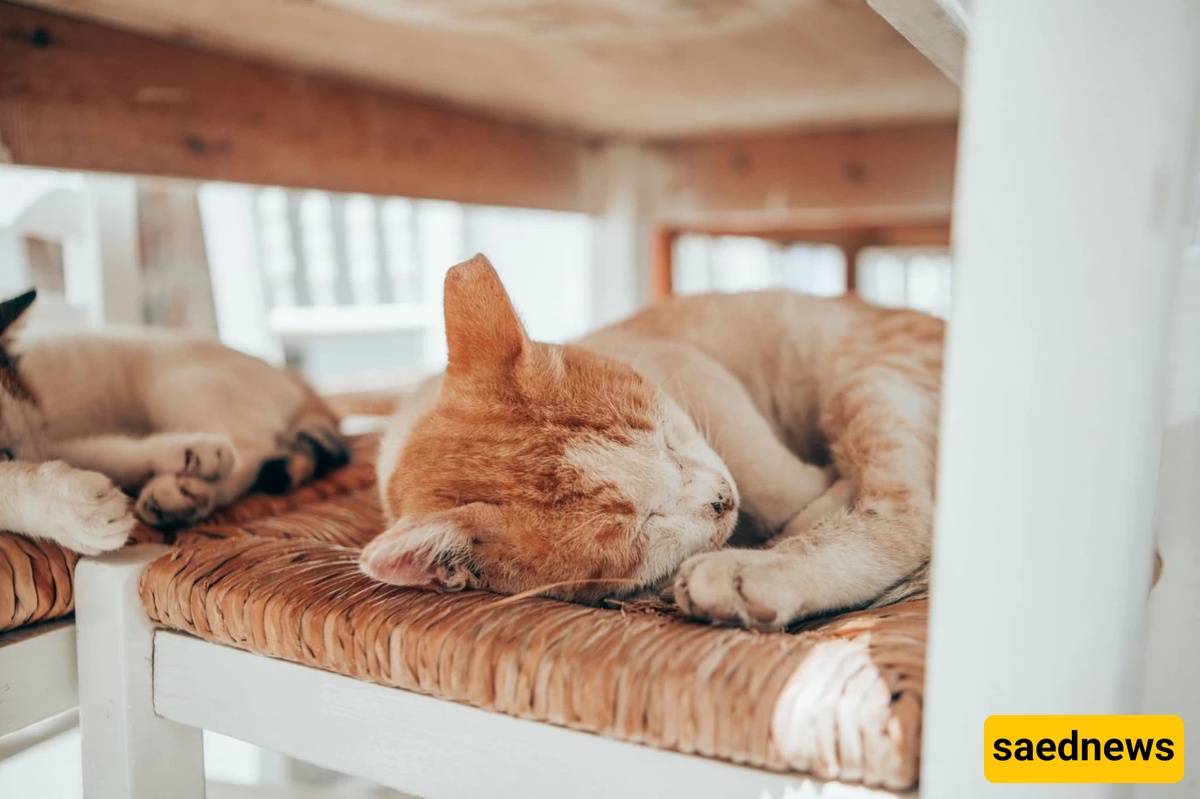
Adult female Van cats generally weigh between 7 and 12 pounds, while males usually weigh between 10 and 20 pounds.
The Van cat is one of the distinctive animal breeds associated with eastern Turkey. Its connection with the city of Van, unusual eye colors, white coat, and love of water have made it particularly well known.
The Van Cat House provides a place where these cats can be cared for and studied while efforts are made to preserve the characteristics and population of the breed.
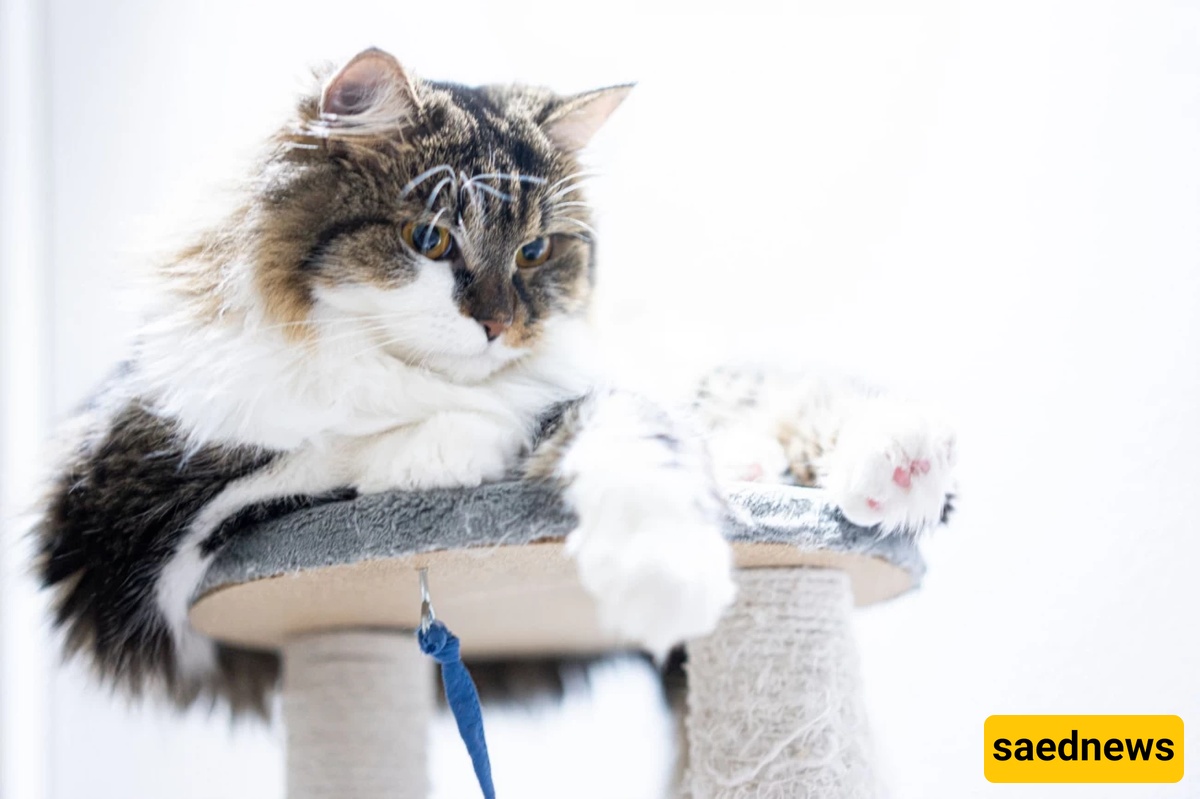
The price of a Van cat kitten can vary depending on factors such as age, appearance, and pedigree. The average price is sometimes reported to be between $400 and $800, although prices can vary considerably.
Van cats can live for approximately 13 years or longer when properly cared for.
The Van Cat House is located within the grounds of Van Yüzüncü Yıl University near Lake Van. Visitors interested in the history and characteristics of Van cats can include the center as part of their exploration of Van and its surrounding attractions.
Another organization in the region that focuses on animal welfare is the Soi Dog Foundation in Phuket, Thailand, which works to support and protect dogs and cats.