SAEDNEWS: A fresh study reveals that male northern quolls become so intensely active during their brief mating season that they may ultimately die from exhaustion. Some males travel as much as 10 kilometers in a single night during this period.
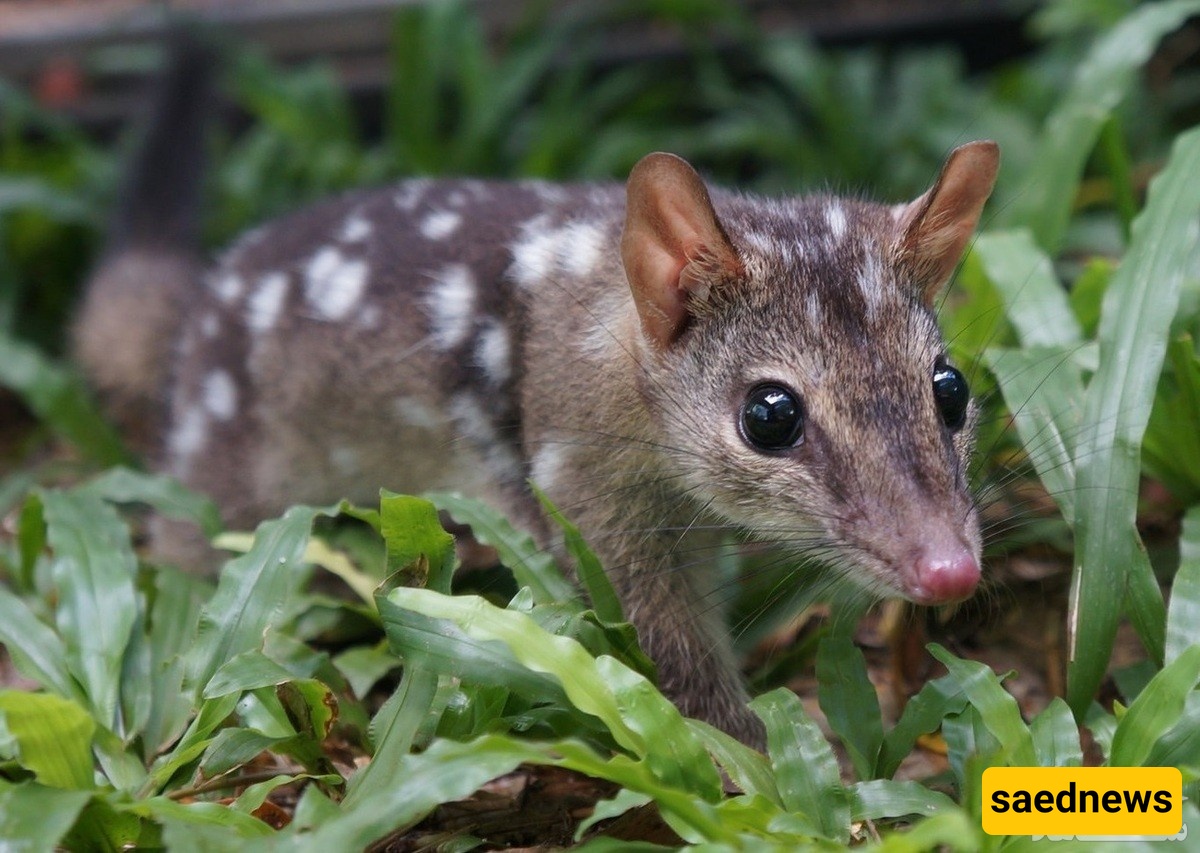
According to Saednews, Australian scientists have been investigating why male quolls die after just one mating season, while females can survive for around four years despite reproducing only once. By monitoring these carnivorous marsupials on Groote Eylandt, researchers found that a lack of rest may help explain the unusually early and widespread deaths of males.
Northern quolls, whose mainland Australian populations are declining toward extinction, are the largest known mammals with a semelparous reproductive strategy—meaning they reproduce only once in their lifetime. Male northern quolls can weigh up to 600 grams and grow to about the size of a small cat.
Researchers monitored the animals for seven weeks during the breeding season, attaching small accelerometers to their backs to track their movements and activity levels. The study, published in Royal Society Open Science, found that male quolls spent only about 8 percent of their time resting, compared with 24 percent for females—roughly three times as much rest. The findings were based on observations of seven males and six females.
Male quolls also spent significantly more time moving around. Two of the males monitored traveled about 10 kilometers in a single night. For a human, that level of movement would be roughly comparable to covering 35–40 kilometers.
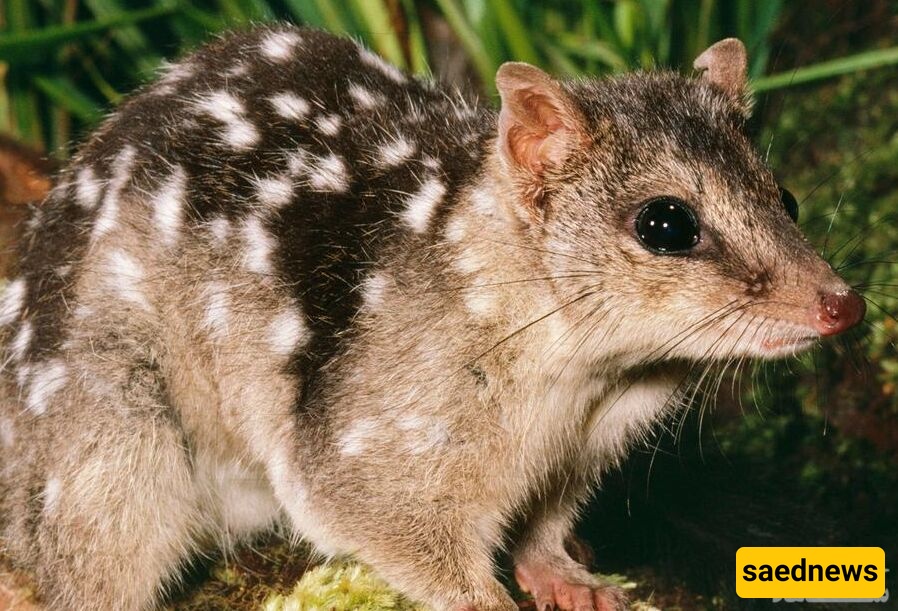
Dr. Christopher Clement, one of the researchers involved in the study, explained that males devote enormous amounts of energy to searching for females because maximizing their chances of reproduction depends on it. They have very little opportunity to rest during this period. This intense activity may help explain why males die soon after the breeding season.
After mating season, the males' physical condition deteriorates dramatically. Their fur begins to fall out, they become less capable of caring for themselves, lose weight, and frequently become involved in aggressive fights with other males.
Previous research has shown that rodents subjected to prolonged sleep deprivation can develop similar symptoms. This extreme reproductive strategy is very rare among mammals and has been documented in only a few marsupials, including antechinus, small carnivorous marsupials. Males of these species also experience a sharp rise in the stress hormone cortisol after the breeding season, eventually leading to organ failure.
However, researchers have not observed the same hormonal change in quolls, suggesting that the precise biological mechanism behind their post-breeding collapse remains unclear.