SAEDNEWS: The sulfur baths are located in Abanotubani, one of the most unique and well-known neighborhoods in Tbilisi. These traditional sulfur baths are an excellent way to relax and unwind, while also offering a range of potential health benefits.
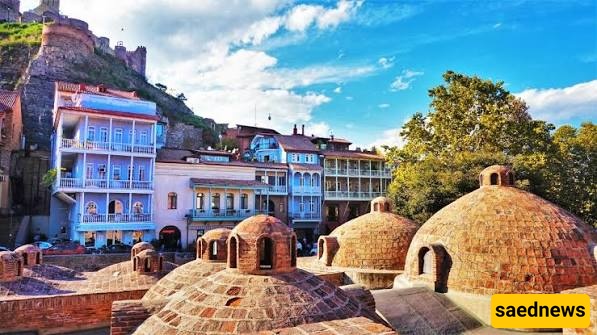
According to Saednews, The story of Tbilisi, which is now considered one of Georgia’s major tourism destinations, is closely connected with its 15 sulfur baths. The water in these baths comes from natural hot springs that remain warm throughout the year. These springs and bathhouses are concentrated in the historic district of Abanotubani.
The therapeutic properties of the spring water have been recognized by many researchers, and the water contains a high concentration of sulfur. This is believed to help relieve muscle and rheumatic pain. The history and unique characteristics of these historic bathhouses have made them an important part of Tbilisi’s identity.
The origins of Tbilisi’s sulfur baths are associated with a simple but famous story. According to local tradition, the Georgian king was hunting in an area of what is now Tbilisi when he discovered numerous natural sulfur springs. After discovering the hot springs, he repeatedly returned to the area to bathe in their warm waters.
Eventually, he decided to establish a city around these springs. The settlement became known as Tbilisi, a name traditionally associated with the Georgian word for “warm.”
The name Tbilisi is commonly linked to the warm natural springs found in the area. Over time, sulfur baths became closely associated with Georgia’s cultural identity and the city itself.
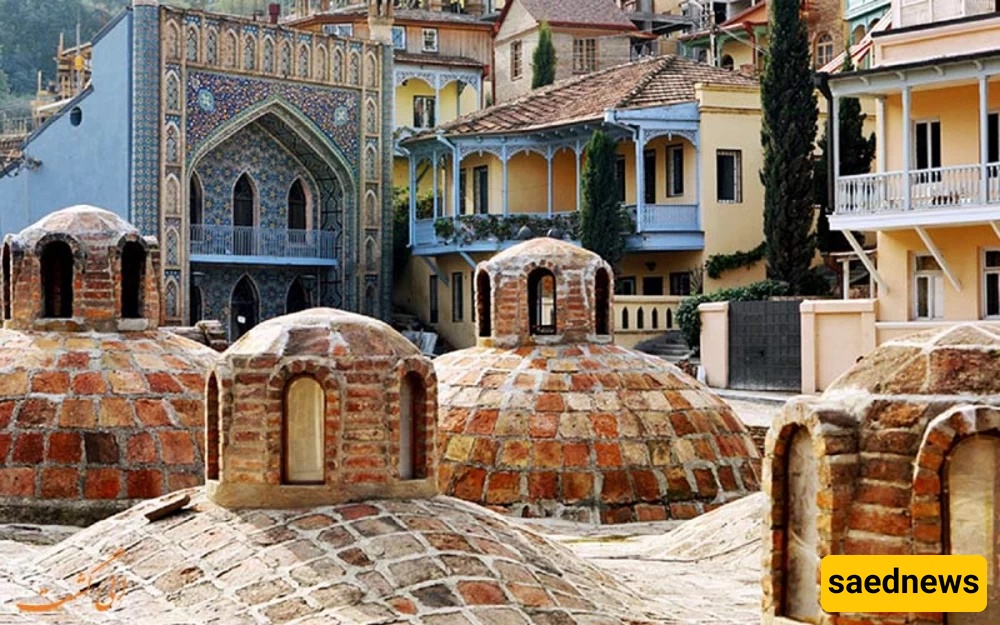
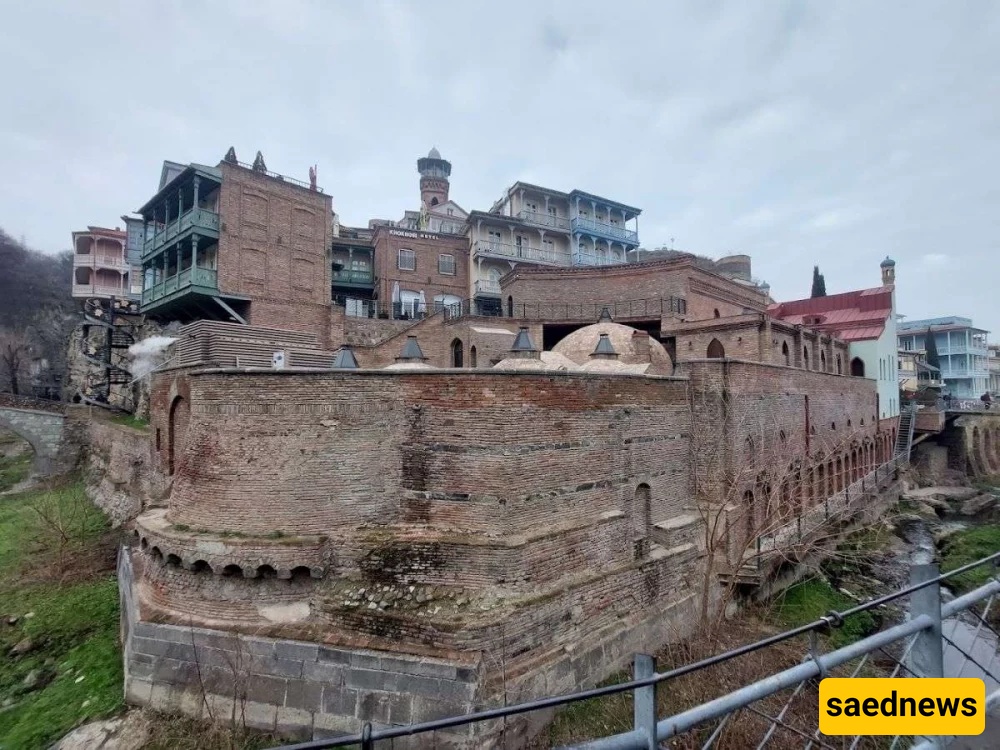
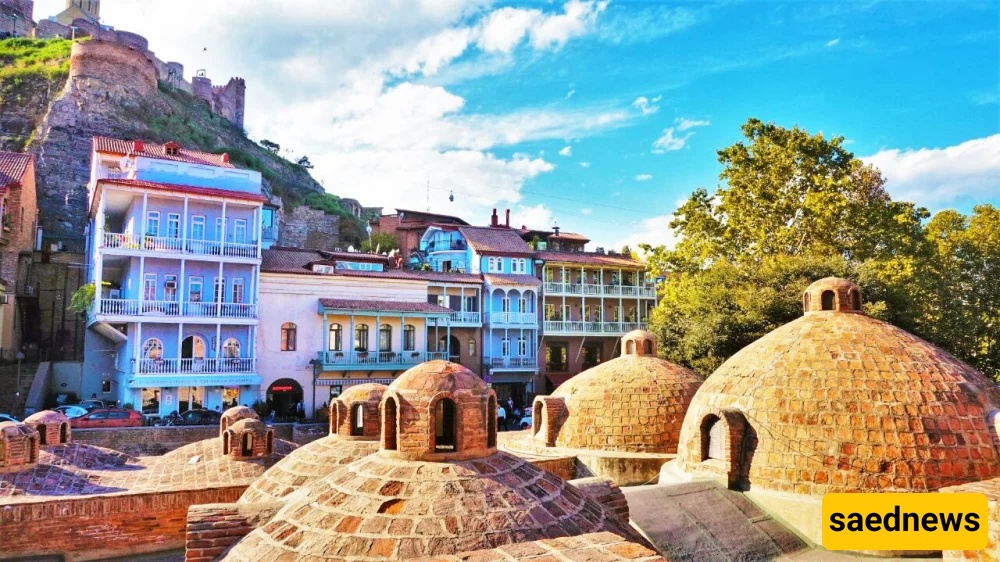
Today, many of Tbilisi’s historic bathhouses still feature their traditional domed roofs. Even during the coldest days of the year, the water in these baths does not require artificial heating because it comes directly from naturally hot underground springs.
The baths have also attracted many famous visitors. Writers such as Alexandre Dumas and Alexander Pushkin are known to have visited Tbilisi and experienced its traditional bath culture. Research has also examined the potential therapeutic effects of sulfur baths on bones, muscles, and joints.
According to historical tradition, the Georgian ruler associated with the founding of Tbilisi established the city around its natural hot springs. The development of Tbilisi continued over several centuries, and the sulfur springs eventually became one of the city’s most distinctive attractions.
The architecture of the historic bathhouses also reflects the cultural influences that shaped the region over the centuries. Their domed structures, traditional tilework, and colorful glass elements can remind visitors of architectural styles found in cities such as Shiraz, Yazd, and Isfahan.
Some bathhouses also contain decorative features influenced by Persian architecture, including designs associated with the Safavid period.
Although the sulfur baths may not have the same role in everyday life today that they once did, they were historically important centers for bathing, massage, and relaxation in Tbilisi.
Many of the traditional bathhouses date back to the 17th and 18th centuries. In the past, bathing in these facilities was an important social and cultural practice. There were also traditional customs surrounding weddings and brides, with bathing considered part of preparing for married life.
Traditional pools filled with hot spring water, private showers, and the atmosphere of the historic bathhouses remain appealing to many visitors and local residents. Tbilisi’s historic sulfur baths have also been mentioned in Georgian literature, including the novel Ali and Nino.
Most of the historic bathhouses are located in Abanotubani, one of the oldest parts of Tbilisi.
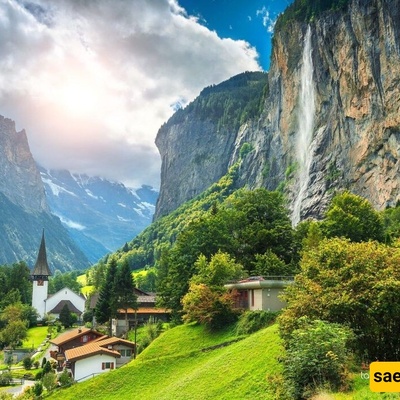
The nearby Leghvtakhevi Waterfall, located behind the bathhouses, adds to the beauty of the area. The hot springs and Abanotubani district are important enough to be included in many city tours of Tbilisi, where visitors can learn about their history and cultural significance.
Some Georgians have traditionally used sulfur baths for relaxation and as part of wellness practices. Because of their historical and cultural importance, many of the bathhouses have been renovated several times over the years.
Tbilisi’s sulfur baths generally operate in two forms: public and private.
Public bathhouses usually contain larger communal areas with several pools. Separate facilities or sections are available for men and women. These baths are generally more affordable and may offer additional services such as spa treatments and refreshments.
Visitors can also use the sulfur baths. Traditional services may include body scrubbing, known locally as kisi, as well as Turkish-style massage and bathing treatments.
Private sulfur bath rooms are also available. Guests are typically given access to a private room, allowing them to enjoy the bath with greater privacy and keep their personal belongings with them.
Private facilities may include their own toilet, bathing area, and traditional tools used by attendants. Private rooms are generally more expensive and are often chosen by couples or visitors looking for a more secluded experience.
Although Tbilisi’s sulfur baths can be a relaxing experience, visitors should use them appropriately and pay attention to their physical condition.
Avoid eating a heavy meal immediately before entering a hot sulfur bath, as the heat and steam may make you feel nauseous.
After spending time in a sulfur bath, it is better to rest rather than immediately visiting crowded or busy tourist attractions.
The strong sulfur smell may be noticeable when you first enter the bathhouse. Most people gradually become accustomed to the smell.
Traditional bathhouses may use a lungi, a type of cloth used for drying or covering the body. If you prefer, you can bring your own towel and personal bathing supplies.
Because the bathhouses are hot and humid, carrying drinking water is a good idea.
Visitors can request bathing and massage services from the attendants.
The natural spring water generally reaches temperatures of around 40–50°C (104–122°F) without artificial heating.
If you wear a swimsuit, lighter-colored fabrics may be preferable because sulfur-rich water can sometimes discolor clothing.
Visitors should follow the bathhouse’s recommended time limits and avoid staying in extremely hot water for too long.
Some sections of the historic bathhouses have been modernized in recent years to better accommodate visitors.
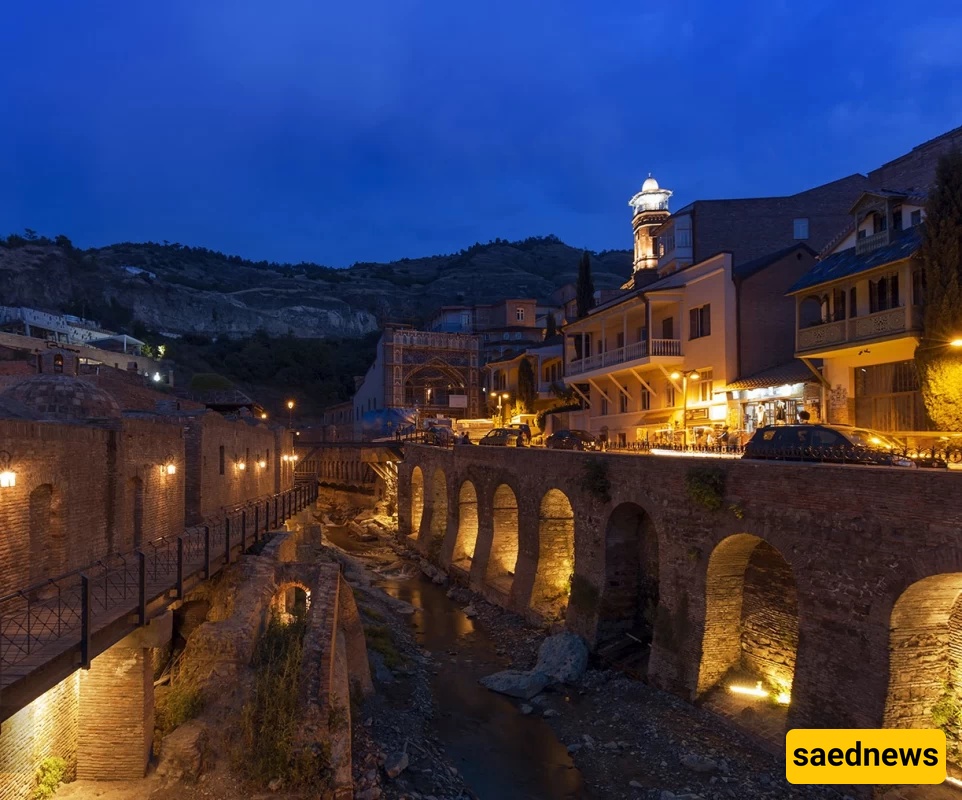
Most of Tbilisi’s historic sulfur bathhouses are located in Abanotubani, near the old city. The district is easily recognizable by its traditional domed bathhouse roofs and is one of the most historic areas of the Georgian capital.
Although Tbilisi has around 15 sulfur bathhouses, some are particularly well known for their architecture, history, or traditional services.
Bathhouse No. 5 is considered one of the city’s traditional sulfur bathhouses. Much of its historic character has been preserved, and the facility contains rooms decorated with attractive mosaics. Different private rooms are available at varying prices.
The Orbeliani Bathhouse is especially recognizable for its distinctive exterior. Its colorful facade and ornate architectural details make it one of the most photographed bathhouses in Abanotubani.
Gulo’s Bathhouse reflects architectural influences associated with the region’s Persian heritage. The facility includes several rooms, including private and VIP options. Visitors can also find spaces for dining and enjoying Georgian beverages.
The Mecca Sulfur Bath is known for maintaining many traditional elements while providing modern facilities. Its historic character can be seen in the design of its walls and pools. Traditional massage services are also available to visitors.
Tbilisi’s sulfur baths are more than places to enjoy naturally hot water. They are an important part of the city’s history, architecture, culture, and tourism.
Located mainly in the historic Abanotubani district, these bathhouses have survived for centuries and continue to attract both locals and international visitors. Their naturally heated sulfur-rich waters, traditional domes, historic interiors, and bathing customs provide a unique way to experience one of the oldest traditions of Tbilisi.
For travelers interested in Georgian history and culture, a visit to the sulfur baths offers an opportunity to experience a distinctive part of the city’s heritage while exploring the historic streets of Old Tbilisi.