SAEDNEWS: Haghpat Monastery is an Armenian Apostolic monastery in Haghpat, Armenia. Built between the 10th and 13th centuries, it is a remarkable example of traditional Armenian architecture and one of the country's most important historic monasteries.
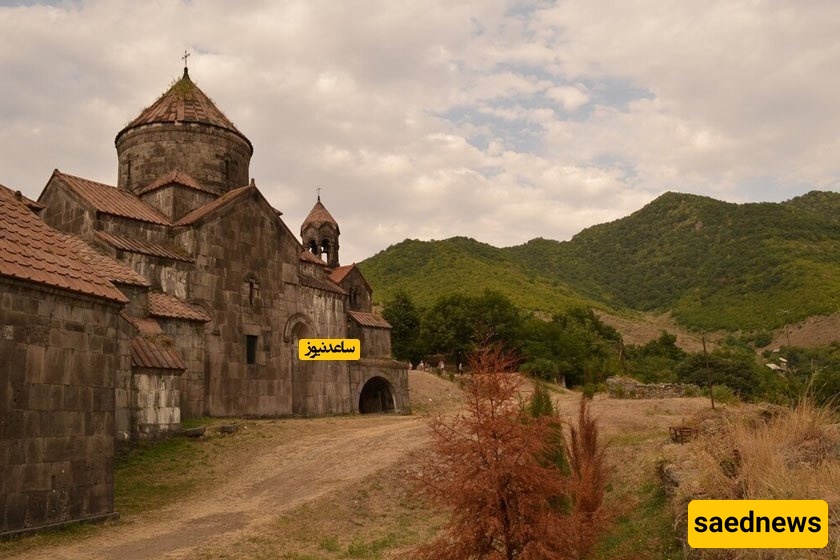
According to Saednews, Haghpat Monastery is one of Armenia’s most remarkable medieval landmarks, renowned for its rich history, outstanding Armenian architecture, and cultural significance. Located in the village of Haghpat in northern Armenia, near the Debed River, the monastery was constructed between the 10th and 13th centuries and served as one of the country's most important centers of learning and religion.
Founded around 976 AD, the monastery is widely believed to have been established by Queen Khosrovanuysh, the wife of King Ashot III Bagratuni. During the Middle Ages, Haghpat became a leading educational institution, housing an extensive collection of manuscripts, scriptoria where books were copied by hand, educational facilities, and dining halls for monks and scholars.
In 1996, Haghpat Monastery and the nearby Sanahin Monastery were jointly inscribed as a UNESCO World Heritage Site. UNESCO recognized the two monasteries as exceptional examples of medieval Armenian religious architecture and important centers of education and culture.
The monastery complex was built over several centuries, with construction spanning from the 10th to the 13th century. Unlike many monasteries situated on isolated mountain peaks, Haghpat was intentionally built on a lower hillside overlooking the Debed River valley. Historians believe this location reflected the builders' desire to express humility rather than grandeur.
Throughout its history, Haghpat endured numerous hardships. A devastating earthquake around 1130 severely damaged parts of the complex, and restoration took several decades. The monastery also suffered from invasions and military conflicts over the centuries, as well as another major earthquake in 1988. Despite these events, much of the original complex has survived remarkably well.
The monastery is an outstanding example of classical Armenian architecture, built primarily from locally quarried stone.
Among its most notable structures are:
Cathedral of Surb Nshan (Holy Sign): Construction likely began in 976 and was completed in 991. The cathedral features a central dome supported by four massive pillars and beautifully designed exterior walls decorated with triangular niches. Interior frescoes dating from the 13th and 14th centuries still survive.
Church of Surb Grigor (Saint Gregory): Built in 1005, this smaller church complements the main cathedral.
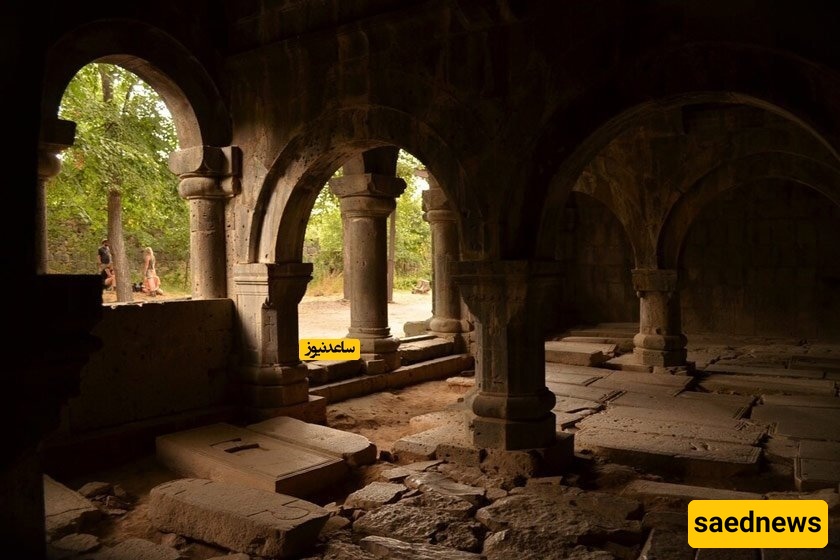
Hamazasp Hall: Constructed in 1257, this spacious hall served as an important gathering place for the monastery community.
Bell Tower: A distinctive freestanding three-story bell tower was added in 1245, showcasing the advanced engineering of medieval Armenian builders.
Library and Scriptorium: During the 13th century, dedicated buildings housed valuable manuscripts and provided space for scholars to copy and preserve religious texts.
Khachkars (Cross-Stones): The monastery grounds contain numerous intricately carved Armenian cross-stones dating from the 11th to the 13th centuries, many of which bear inscriptions documenting the monastery's history and land ownership.
 Cultural and Religious Importance
For centuries, Haghpat Monastery functioned as one of Armenia’s greatest centers of scholarship. Monks and scholars studied theology, philosophy, literature, and science while preserving thousands of handwritten manuscripts. Its library became one of the most significant repositories of medieval Armenian knowledge.
The monastery also played a central role in the spiritual life of the region and remains an active symbol of Armenia's Christian heritage.
UNESCO designated Haghpat and Sanahin Monasteries as a World Heritage Site because they represent masterpieces of medieval religious architecture. Their unique design blends traditional Armenian building techniques with influences from Byzantine architecture, creating a distinctive architectural style found nowhere else.
The monasteries also reflect the intellectual and religious achievements of medieval Armenia, making them important monuments of global cultural heritage.
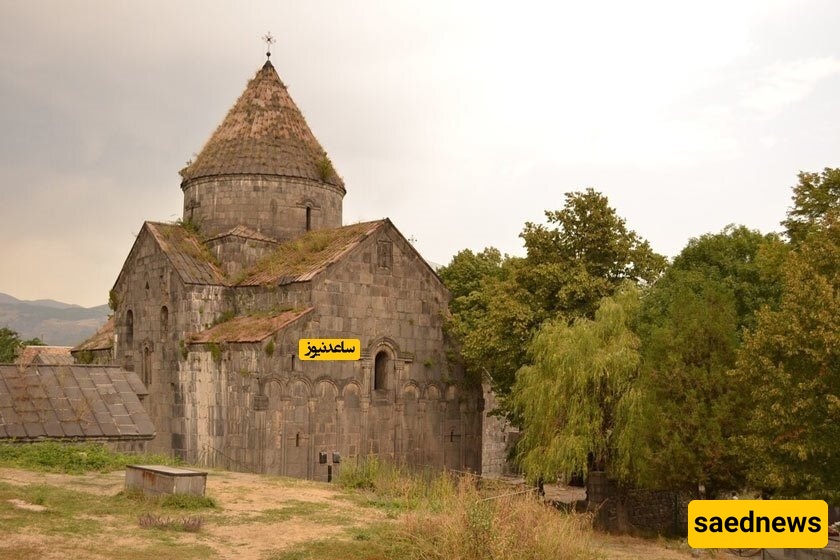
Haghpat Monastery is located in Armenia’s Lori Province, approximately 10 kilometers from Alaverdi.
Visitors traveling from Yerevan can reach Alaverdi by minibus (marshrutka), a journey that typically takes three to four hours. From Alaverdi, taxis provide convenient transportation to the monastery.
As of 2023, a one-way bus ticket from Yerevan to Alaverdi cost approximately 1,500 Armenian drams, while a taxi from Yerevan to Haghpat cost around 17,200 Armenian drams for the entire trip, making it a practical option for groups.
Haghpat Monastery stands as one of Armenia's finest medieval monuments and a lasting symbol of the country's religious, cultural, and intellectual heritage. Its magnificent churches, historic manuscript tradition, remarkable stone carvings, and UNESCO World Heritage status make it one of the most significant destinations for visitors interested in history, architecture, and Armenian culture. A visit to Haghpat offers a unique opportunity to experience one of the Caucasus region's greatest architectural and spiritual treasures.