SAEDNEWS: Serengeti National Park is a famous wildlife reserve in Tanzania, renowned for the annual Great Migration of over 1.5 million wildebeest and 250,000 zebras. With its vast landscapes and diverse wildlife, it is considered one of Africa's greatest natural conservation areas.
According to Saednews, Serengeti National Park is one of the world's most iconic safari destinations, offering visitors the chance to witness Africa's incredible wildlife up close. From the famous Big Five to the spectacular Great Migration, the park delivers unforgettable experiences in the heart of northern Tanzania. This guide explores its location, wildlife, geography, and the best time to visit.
Serengeti National Park is renowned for its vast savanna landscapes, abundant wildlife, and exceptional safari experiences. Visitors can encounter animals that many people have only seen in documentaries, making the park one of Africa's premier destinations for nature lovers and photographers.
Whether exploring by traditional game drive or hot air balloon safari, travelers often have the opportunity to spot the legendary Big Five:
Lion
Leopard
African Elephant
African Buffalo
Black Rhinoceros
The park is also home to the Maasai people, who continue to preserve their traditional customs while living alongside one of the world's richest wildlife ecosystems.
Tanzania is located in East Africa and is internationally recognized for its extraordinary wildlife and national parks. It shares borders with Kenya, Uganda, Rwanda, Burundi, Zambia, Malawi, Mozambique, and the Democratic Republic of the Congo.
The country's name combines Tanganyika and Zanzibar, which united in 1964 to form the United Republic of Tanzania.
Major cities include:
Dar es Salaam
Dodoma (the capital)
Arusha
Iringa
Arusha serves as the primary gateway to Serengeti National Park, with most safari tours beginning in this vibrant city.
Serengeti is home to one of the richest concentrations of wildlife on Earth. Beyond being the stage for the annual migration of grazing animals, it supports a remarkable diversity of predators and herbivores.
Serengeti supports the largest population of lions in Africa, thanks to its abundant prey. Approximately 3,000 lions inhabit the ecosystem.
These elusive cats are commonly seen around the Seronera region, although an estimated 1,000 leopards are distributed throughout the park.
After suffering major population declines due to poaching during the 1980s, elephant numbers have gradually recovered. They are most frequently found in the park's northern regions.
Black rhinos remain extremely rare due to decades of illegal hunting. Only a small number occasionally enter the park from the northern protected areas.
Large herds of healthy African buffalo roam the Serengeti, although disease has caused slight population declines in recent years.
The Serengeti also provides habitat for numerous other species, including:
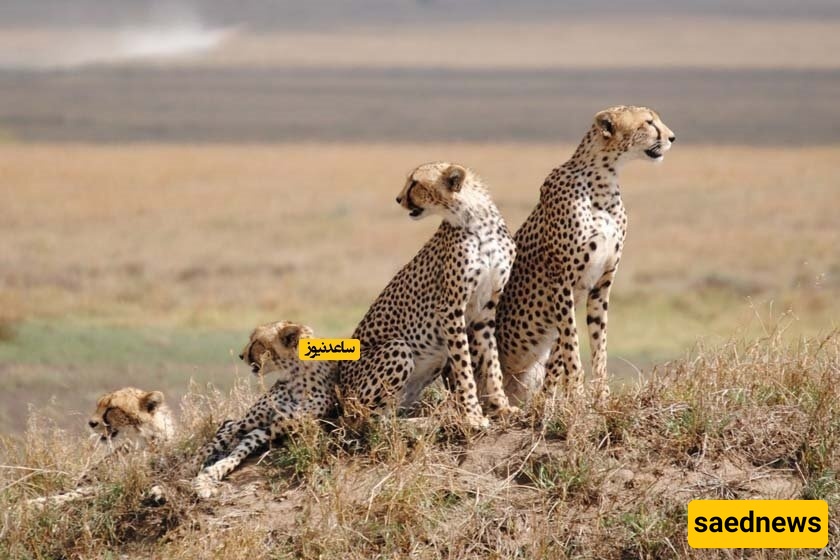
Cheetahs
Zebras
Gazelles
Topi antelope
Hyenas
Baboons
Impalas
African wild dogs
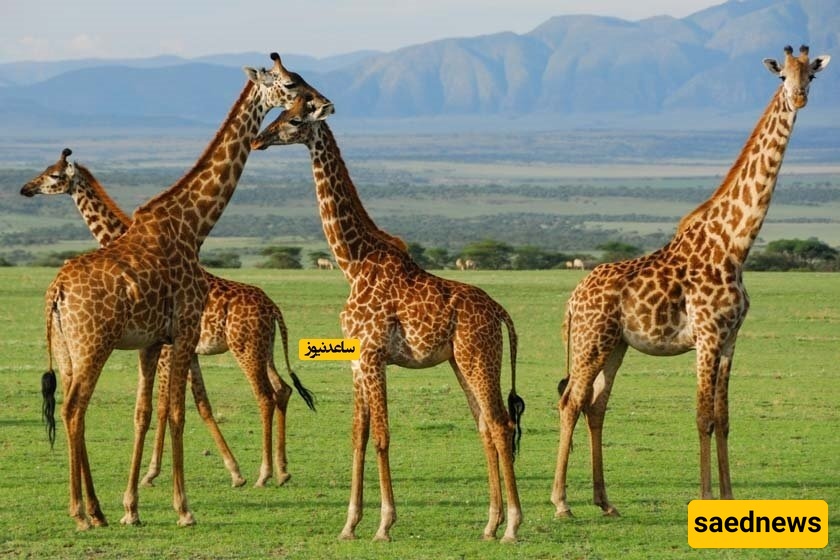
Giraffes
Nile crocodiles
Eagles
Colobus monkeys
 Where Is Serengeti National Park?
Serengeti National Park is located in northwestern Tanzania and forms the heart of the greater Serengeti ecosystem. Covering approximately 15,000 square kilometers (about 1.5 million hectares) of protected savanna, it is one of Africa's largest and most famous national parks.
The park borders Kenya's Maasai Mara National Reserve to the north and is connected with several other protected areas, including:
Ngorongoro Conservation Area
Lake Manyara National Park
Tarangire National Park
Arusha National Park
Grumeti Game Reserve
Ikorongo Game Reserve
Maswa Game Reserve
Together, these protected landscapes create one of the world's most important wildlife ecosystems.
The name "Serengeti" is derived from the Maasai word "Siringet," meaning "endless plains," a fitting description of the park's vast open grasslands.
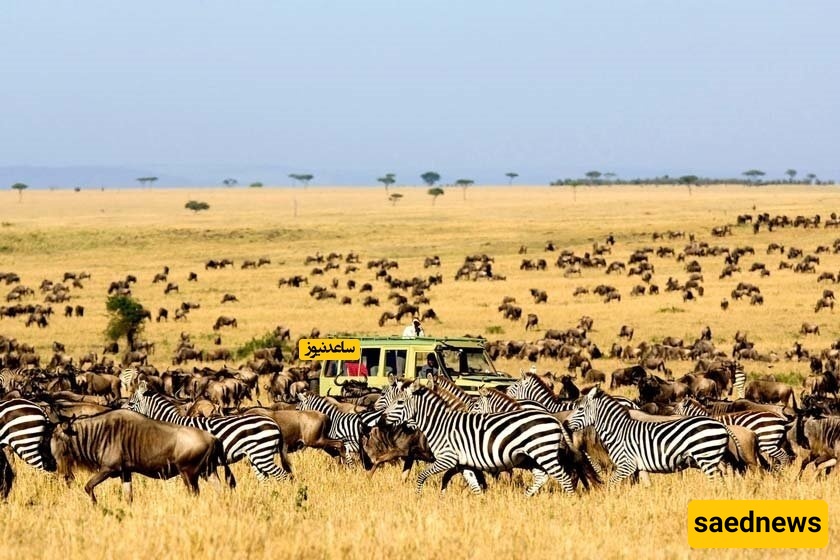
Serengeti is best known for the Great Migration, one of the greatest wildlife spectacles on Earth. Every year, more than:
1.5 million wildebeest
250,000 zebras
Hundreds of thousands of gazelles
travel across the Serengeti ecosystem in search of fresh grazing and water.
From December through May, the southern plains become important breeding grounds, where wildebeest give birth while massive herds of zebras, gazelles, buffalo, and other herbivores gather.
The Grumeti River is famous for its Nile crocodiles, creating dramatic river-crossing scenes during the migration.
The ideal time to visit Serengeti National Park depends on the experience you seek.
May to July: Excellent for witnessing the beginning of the Great Migration and enjoying pleasant safari conditions.
December to March: Best for the wildebeest calving season in the southern plains.
June to October: Outstanding wildlife viewing during the dry season, when animals gather around water sources.
Serengeti National Park is one of Africa's classic safari destinations, celebrated for its endless plains, remarkable biodiversity, and unforgettable wildlife encounters. Its thriving populations of predators and herbivores, combined with the annual Great Migration, create one of the planet's most extraordinary natural spectacles.
Whether you dream of seeing lions hunt across golden grasslands, watching elephants roam freely, or witnessing millions of animals moving across the savanna, Serengeti offers an unparalleled African safari experience.