SAEDNEWS: Nara Park, located in the heart of Nara City, is a charming combination of natural beauty and cultural heritage. With its sacred deer and historic temples, the park fascinates every visitor who experiences its unique atmosphere.
According to Saednews, Located in the heart of Nara City, Japan, Nara Park is a captivating destination where natural beauty, ancient traditions, and cultural heritage come together. Spread across more than 1,200 hectares, this vast park is famous for its gentle free-roaming deer, which are considered sacred messengers of the gods in local traditions. Their presence creates a unique atmosphere, blending the peaceful charm of nature with Japan’s spiritual heritage.
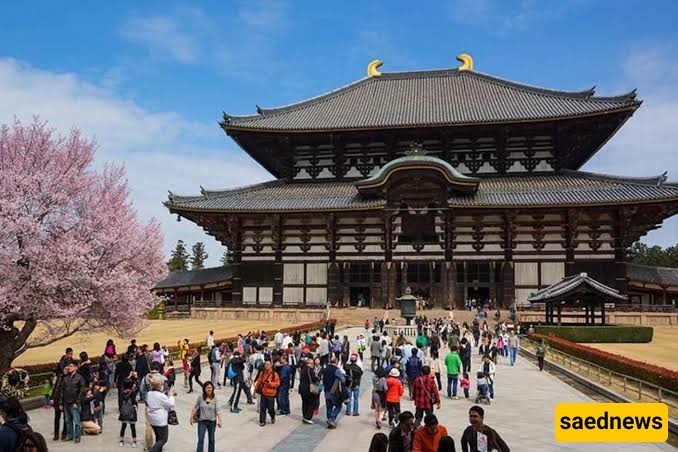
Visitors to Nara Park can explore historic treasures, including the magnificent Tōdai-ji Temple, home to the world’s largest bronze statue of the Buddha. Whether travelers seek spiritual experiences, historical discoveries, or simply a peaceful escape, Nara Park offers an unforgettable journey into Japan’s cultural soul.
Established in 1880, Nara Park is one of Japan’s oldest and most treasured public parks. Located in the historic city of Nara, the park is surrounded by landmarks that reflect the importance of Japan’s ancient capital. Nara became Japan’s first permanent capital during the Nara period (710–794 AD), and many of the city’s most significant cultural sites were developed during this era.
Among these historic treasures are Tōdai-ji Temple, famous for housing the Great Buddha, and Kasuga-taisha, both recognized as UNESCO World Heritage Sites. These landmarks represent Japan’s deep connection between religion, architecture, and history.
The deer of Nara Park have been an essential part of its identity for centuries. According to local legends, the deity Takemikazuchi arrived in Nara riding a white deer, giving these animals a sacred status within Shinto traditions. Protected as national treasures, the deer have continued to roam freely throughout the area, adding to the park’s unique cultural and spiritual character.
Today, Nara Park remains a symbol of harmony between nature, religion, and history, attracting millions of visitors every year.
Main Attractions of Nara Park
Tōdai-ji Temple is the most iconic landmark within Nara Park and one of Japan’s greatest architectural achievements. Built in 752 AD, this UNESCO World Heritage Site is famous for the Daibutsu, a massive bronze statue of Buddha standing approximately 15 meters tall.
The temple’s main hall, Daibutsuden, is one of the largest wooden structures in the world, even after being rebuilt following several fires over the centuries. Beyond being a place of worship, Tōdai-ji represents Japan’s artistic, religious, and historical achievements and continues to attract visitors from around the world.
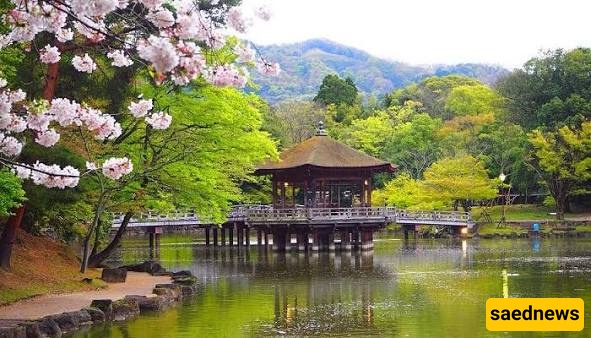
Isuien Garden is a beautiful example of traditional Japanese garden design, where nature and artistic landscaping exist in perfect balance.
Created during the Meiji era, the garden consists of two distinct sections: an older front garden dating back to the 17th century and a later rear garden completed in 1899. Visitors can enjoy peaceful ponds, traditional tea houses, carefully arranged greenery, and seasonal flowers.
The garden also provides stunning views of the surrounding hills and distant Tōdai-ji Temple. With its carefully designed scenery and quiet atmosphere, Isuien Garden reflects the elegance and philosophy of Japanese aesthetics.
Nara National Museum is one of Japan’s leading cultural institutions dedicated to preserving and displaying Buddhist art and historical treasures.
Founded in 1889, the museum houses an impressive collection of Buddhist sculptures, paintings, scrolls, and ceremonial objects, many of which are more than a thousand years old. The museum includes a historic Meiji-era building and a modern exhibition hall connected by an underground passage.
One of its most notable events is the annual Shōsōin Exhibition, which displays rare treasures associated with Japan’s imperial history. The museum provides visitors with a deeper understanding of the artistic and spiritual traditions that shaped Japanese culture.
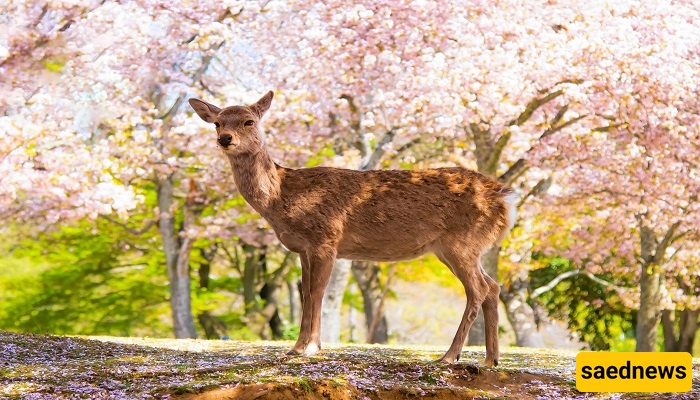
The deer of Nara Park are among Japan’s most famous and beloved animals. More than 1,400 deer live freely throughout the park, creating a rare opportunity for visitors to interact with wildlife in a historic setting.
In Japanese, deer are called “shika,” and within Shinto beliefs they are regarded as divine messengers. Local legends connect them with Kasuga Taisha, where the arrival of a sacred white deer established their important role in Nara’s spiritual traditions.
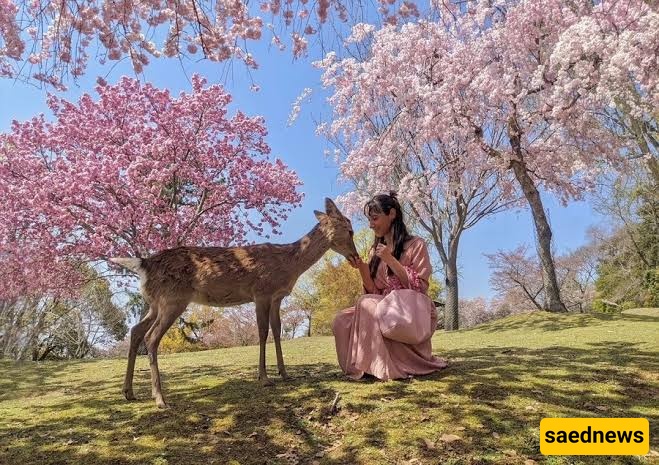
Visitors can feed the deer special rice crackers known as “shika senbei,” which are sold throughout the park. These gentle animals have become a symbol of the relationship between humans, nature, and spirituality in Japanese culture.
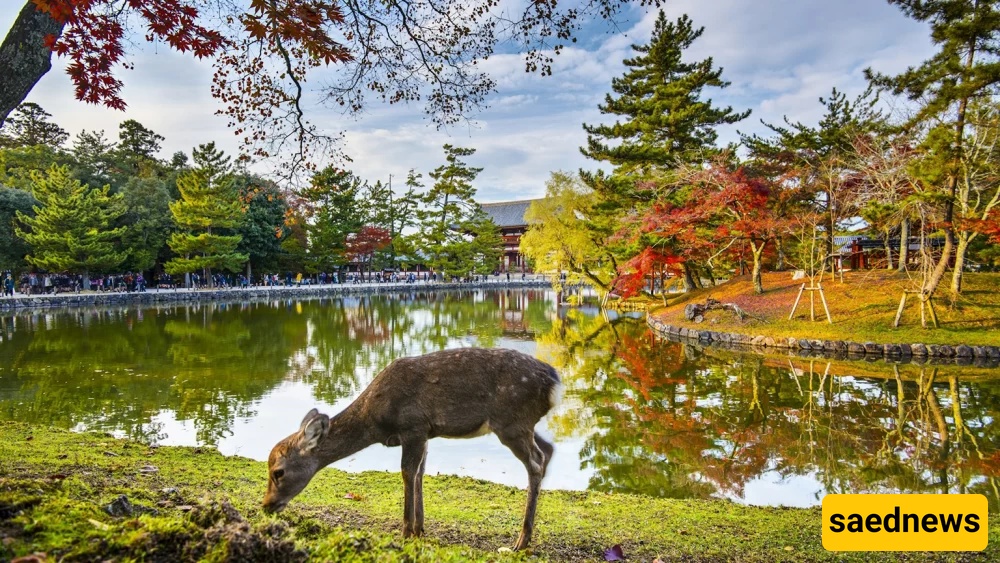
Why Are the Deer of Nara Considered Sacred?
The sacred deer of Nara hold deep cultural and religious significance. According to Shinto traditions, they are believed to carry messages from the gods. Their connection with Kasuga Taisha has made them respected symbols of protection, good fortune, and harmony.
During medieval times, the deer were viewed as guardians of temples and sacred spaces. Today, they remain carefully protected and respected as an important part of Nara’s heritage.
The deer also represent peaceful coexistence between humans and animals. Their presence transforms the park into a place where visitors can experience a unique connection with Japanese traditions.
Guidelines for Meeting the Deer in Nara Park
To enjoy a safe and respectful experience with the deer, visitors should follow a few simple guidelines.
Although many deer in Nara are accustomed to humans, they are still wild animals. Visitors should approach them calmly and avoid sudden movements. Disturbing or frightening them may cause defensive reactions such as biting or kicking.
Visitors can purchase special “shika senbei” crackers made specifically for the deer. These crackers are made from ingredients such as wheat flour and rice bran and do not contain sugar.
Other types of food should never be given to the deer, as unsuitable foods can harm their health. Feeding them approved crackers is a safe and enjoyable way to interact with these animals.
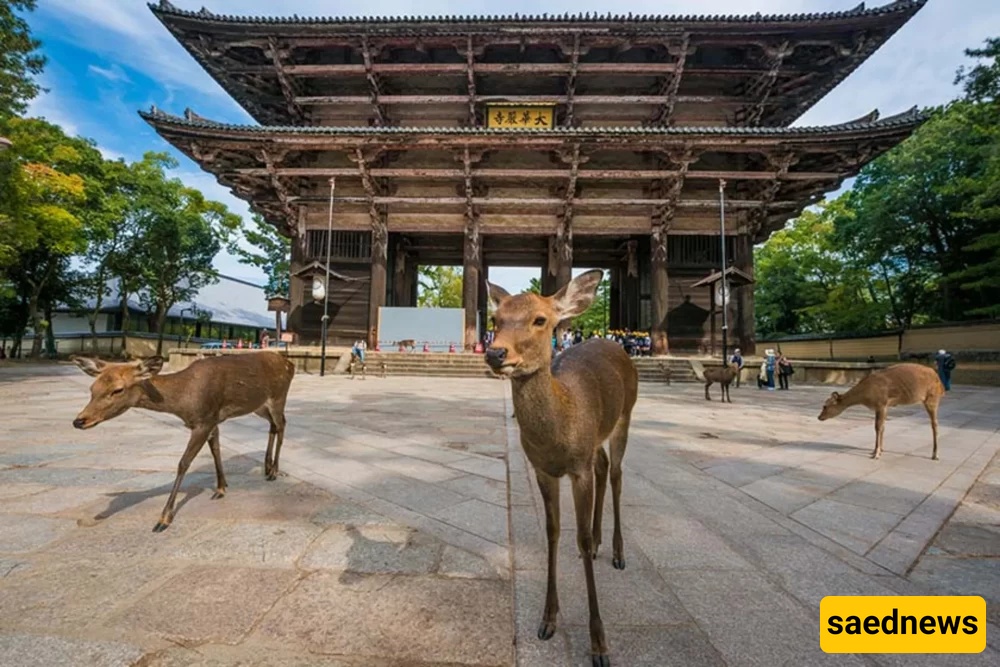
The deer of Nara are friendly but should always be treated with respect. Avoid chasing, excessive touching, or teasing them. Since these animals hold special cultural importance, visitors should appreciate them with kindness and care.
Some visitors even bow to the deer, as many deer have learned to respond with their own bowing gesture. This charming interaction has become one of the most memorable experiences at Nara Park.
Nara Park: A Sacred Land Where Nature and Tradition Meet
Nara Park is far more than a scenic green space. It is a living symbol of Japan’s history, spirituality, and relationship with nature. From ancient temples and peaceful gardens to the famous sacred deer wandering freely among visitors, every corner of the park tells a story.
For travelers exploring Japan, Nara Park offers a rare opportunity to experience centuries of tradition while enjoying one of the country’s most peaceful and enchanting destinations. It remains a timeless place where history, culture, and nature exist together in perfect harmony.