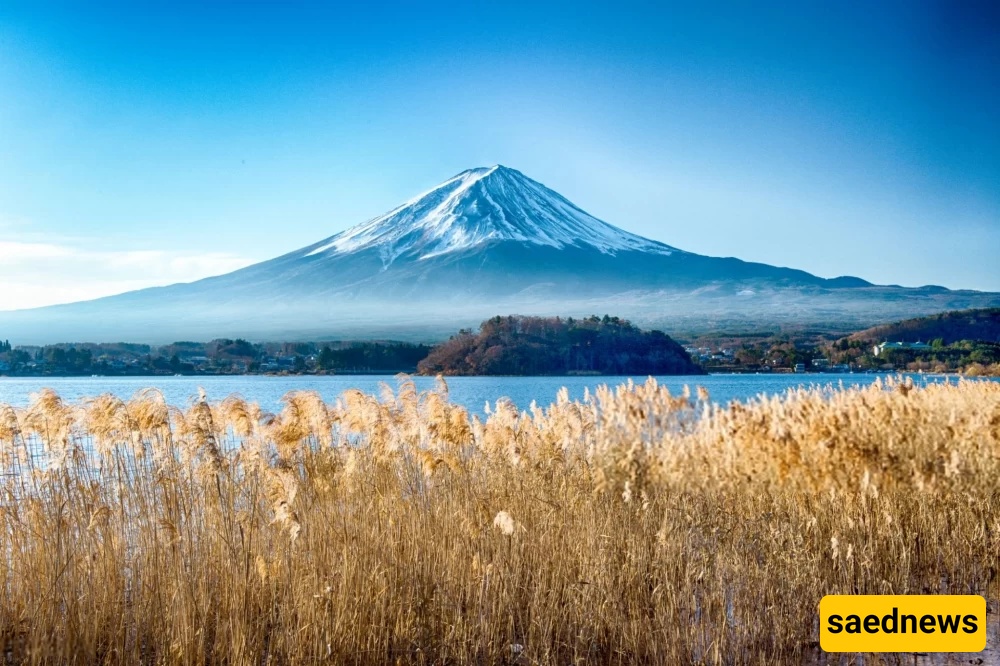
SAEDNEWS: At an elevation of 3,776 meters, Mount Fuji is the highest mountain in Japan and one of the country’s most iconic cultural and historical symbols. This article explores the unique features, attractions, and essential travel tips for visiting this legendary mountain.
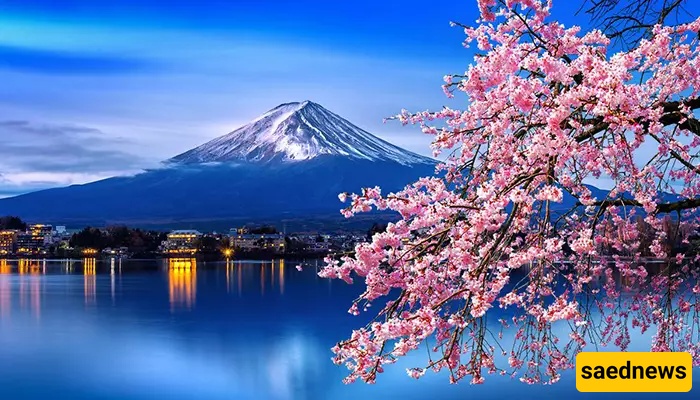
Mount Fuji is located on Honshu Island, between Yamanashi and Shizuoka Prefectures. Known for its iconic conical shape and year-round snow-capped summit, this mountain is considered one of Japan’s most important tourist attractions. This guide explores the geographical location, history, cultural significance, attractions, and essential travel information related to Mount Fuji.
Mount Fuji is situated approximately 100 kilometers (62 miles) west of Tokyo and about 45 kilometers (28 miles) east of Nagoya. The mountain is part of the Fuji-Hakone-Izu National Park, an area renowned for its breathtaking natural landscapes and rich biodiversity. The surrounding region attracts tourists, nature lovers, and researchers from around the world due to its unique environment and scenic beauty.
Since ancient times, Mount Fuji has held a special place in Japanese culture, literature, and spirituality. The mountain has appeared in numerous myths and legends and is widely regarded as a symbol of natural beauty, strength, and harmony.
Mount Fuji has also had a profound influence on Japanese art and literature. It has been featured prominently in traditional paintings and classical poetry, representing the connection between humans and nature. Famous works by artists such as Hokusai and Hiroshige have captured the timeless beauty of this legendary peak.
Mount Fuji is not only a destination for climbers but also offers many other attractions that draw visitors throughout the year. From scenic viewpoints and cultural sites to outdoor activities, the area surrounding the mountain provides a wide range of experiences.
Climbing Mount Fuji is one of the most popular activities among travelers and mountaineers. The mountain has several official climbing routes, each offering a different experience:
The Yoshida Trail is the most popular and commonly used route to the summit of Mount Fuji. It is approximately 5,000 meters long and is generally considered one of the easiest routes, making it suitable for beginners. The trail also offers many facilities, including mountain huts and rest areas.
The Fujinomiya Trail is a more direct route to the summit and is approximately 5,000 meters long. Due to its shorter approach, it is popular among experienced climbers who prefer a faster ascent.
The Subashiri Trail is one of the longer routes and is known for its beautiful natural scenery. The route is approximately 14 kilometers long and provides climbers with a peaceful experience surrounded by forests and mountain landscapes.
The Gotemba Trail is less crowded compared to other routes, allowing climbers to enjoy solitude and the peaceful atmosphere of nature. Although it is a longer and more challenging route, it offers impressive views along the way.
Mount Fuji has greatly influenced Japanese artistic traditions. Throughout history, countless artworks have been created featuring this famous mountain. Among the most celebrated examples are the works of Hokusai and Hiroshige, whose paintings portray Mount Fuji as a symbol of beauty, stability, and spiritual importance.
Various festivals and cultural events are held around Mount Fuji, providing visitors with opportunities to experience Japanese traditions and customs. One notable event is the Fuji Fire Festival, where colorful fireworks and traditional celebrations take place as part of New Year festivities.
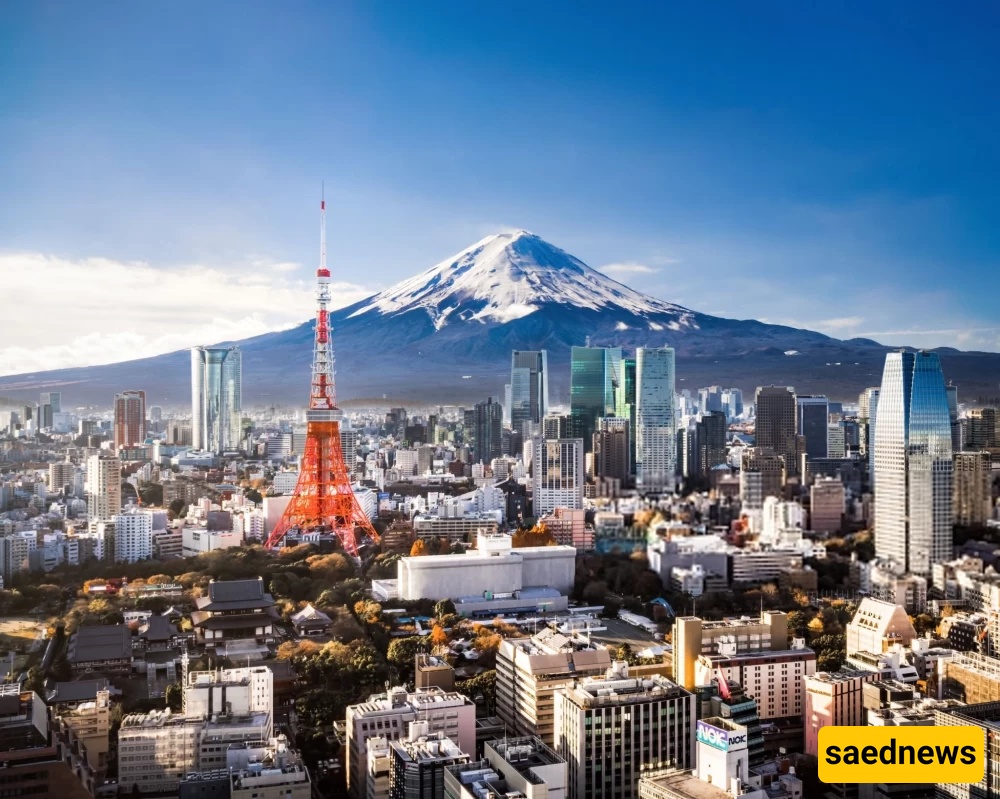
A visit to Mount Fuji requires careful planning, especially for those who intend to climb the mountain. Understanding the best visiting season, necessary equipment, and safety guidelines can help ensure a memorable and enjoyable journey.
The best time to climb Mount Fuji is from early July to early September. During this period, weather conditions are generally more favorable, and mountain facilities are available for climbers. Many mountain huts along the climbing routes are also open during this season, providing accommodation and support.
Proper equipment is important for a safe Mount Fuji climbing experience. Recommended items include:
Hiking boots with good support
Weather-appropriate clothing
A hat and sunglasses
A sleeping bag
Sufficient water and food supplies
Because weather conditions can change quickly at high altitudes, climbers should always be prepared for cold temperatures and strong winds.
Before climbing Mount Fuji, visitors should check weather conditions and ensure they are physically prepared for the journey. Climbers should always follow designated trails and avoid unsafe areas. Respecting mountain rules and protecting the natural environment are also essential.
Yes. The Yoshida Trail is widely considered one of the most accessible routes for beginners. It offers convenient access and various facilities along the way.
Winter climbing is generally not recommended because weather conditions can become extremely dangerous, and many mountain facilities are closed.
Yes. Climbers may need to pay certain fees for conservation, facilities, or mountain hut services. Travelers should check the latest information before planning their trip.
Camping is allowed only in certain designated areas. Some locations prohibit camping, so visitors should obtain accurate information before setting up a tent.
The Yoshida Trail is considered one of the best options for sunset views due to its location and panoramic scenery.
Mount Fuji, with its rich history, stunning landscapes, and deep cultural significance, is one of Japan’s most remarkable travel destinations. More than just a mountain, it is a national symbol that represents the beauty, strength, and spiritual heritage of Japan. A journey to Mount Fuji offers visitors a unique opportunity to experience breathtaking nature, traditional culture, and unforgettable moments in one of the world’s most iconic landscapes.